Welcome to our websites!

Top 10 Best Self Aligning Pillow Block Bearings

Choosing the right bearing can determine whether a conveyor runs quietly or stops under avoidable vibration. This guide introduces the Top 10 Best Self Aligning Pillow Block Bearings for demanding industrial applications. These units combine an insert bearing with a mounted housing, helping accommodate shaft misalignment during installation and operation. That feature matters where frames flex, shafts are not perfectly positioned, or maintenance access is limited.

Industry data supports the importance of careful bearing selection. Fortune Business Insights valued the global bearing market at approximately USD 132 billion in 2023, with continued growth expected through 2032. SKF’s 2023 Annual Report also highlighted how industrial production, automation, and maintenance demand influence bearing consumption worldwide. These figures describe a large market, not a guarantee of product quality. Specifications still matter more than popularity.

Each bearing in this list is assessed through practical criteria, including load capacity, sealing performance, housing strength, lubrication needs, shaft tolerance, and replacement convenience. ISO 281 provides a recognized method for calculating bearing life, while ISO 15243 helps classify common failure modes. In real workshops, a clean seal and correct mounting torque can matter more than a small catalog advantage. That is sometimes overlooked.

The ranking is useful, but not absolute. A food-processing line needs different protection than a dusty aggregate conveyor. Environmental temperature, speed, shock loading, and washdown exposure can change the best choice. Some recommendations may require further field validation. Treat this guide as a technical starting point, then confirm the manufacturer’s data before installation.
Top 10 Best Self Aligning Pillow Block Bearings

What Are Self-Aligning Pillow Block Bearings?

Top 10 Best Self Aligning Pillow Block Bearings

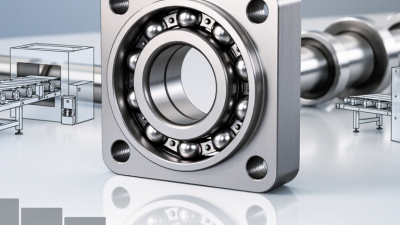
Self-aligning pillow block bearings combine a mounted housing with an insert bearing that can adjust to moderate shaft misalignment. This movement helps the bearing accommodate installation errors, frame deflection, and slight shaft bending. The housing usually includes mounting holes, while the inner ring supports the rotating shaft. It sounds simple. Alignment still matters.

ISO 15243 identifies misalignment, inadequate lubrication, contamination, and excessive loads as major bearing damage mechanisms. A U.S. Department of Energy motor-system guide also reports that bearing problems contribute to roughly 40% of motor failures. These figures explain why self-aligning designs are useful, but they are not a complete solution. They cannot correct severe angular errors or poor mounting surfaces. In field maintenance, technicians should check shaft fit, housing flatness, fastening torque, and lubricant condition. A visible seal may look healthy, yet fine dust can already be entering the raceway. That detail is easy to miss.

When selecting among the top ten options, compare dynamic load rating, static load rating, allowable speed, sealing method, and relubrication access. ISO 281 provides the basis for rating bearing life, but real service life depends on vibration, moisture, temperature, and cleaning practices. A higher rating does not guarantee longer operation. Measurements should guide the choice, not catalog size alone. Misalignment is only one part of the problem.

How Self-Aligning Pillow Block Bearings Work

Top 10 Best Self Aligning Pillow Block Bearings

How Self-Aligning Pillow Block Bearings Work

Self-aligning pillow block bearings support rotating shafts while tolerating small installation errors. Their insert bearing has a spherical outer surface. This surface fits inside a matching curved housing seat. When the shaft sits slightly off-center, the insert tilts inside the housing. The shaft keeps rotating smoothly instead of forcing the bearing into an uneven position.

The adjustment is limited. Most units handle only a small angular offset, often a few degrees. Excessive misalignment can increase heat, vibration, and raceway wear. Set screws or an eccentric locking collar secure the bearing to the shaft. Seals retain lubricant and help block dust, moisture, and fine particles. In practical inspections, unusual noise often points to poor alignment, overloading, or insufficient lubrication. A bearing may look correctly installed but still run hot. That assumption deserves checking.

Tips: Measure shaft diameter and housing clearance before selection. Keep the shaft clean and free from burrs. Tighten locking hardware evenly, then rotate the shaft by hand. It should turn without binding. Check mounting bolts after initial operation, because settling can reduce clamping force. Grease carefully; too much lubricant may also raise operating temperature. Choose a bearing with a suitable load rating and sealing design for the actual environment.

Key Features for Comparing the Top 10 Bearings

When comparing the top 10 self-aligning pillow block bearings, inspect measurable features rather than catalog claims. ISO 281 defines L10 life as the operating period reached by 90% of identical bearings. Use dynamic load rating, speed limits, and expected operating hours to compare this value. Static load rating also matters under shock loads or frequent stops. A practical review should check housing material, shaft locking method, bore tolerance, and allowable misalignment. Small details matter.

Sealing deserves close attention. A double-lip seal can help protect the raceway from dust, washdown moisture, and cutting debris, but it may increase friction. Lubrication type, relubrication access, and temperature range should be recorded beside every candidate. The World Bearing Association highlights contamination and inadequate lubrication as common causes of premature bearing damage. Check the real environment, not only the laboratory rating. Mounting space, shaft diameter, noise, vibration, and replacement availability also influence the ranking. A 2024 rolling-bearing market analysis by Grand View Research identifies industrial machinery as a major demand sector, reinforcing the need for application-specific selection. One weakness remains: published ratings rarely mirror poor installation. A perfectly rated bearing can fail after slight shaft misalignment, over-tightening, or neglected grease. Personally, I would score each bearing across ten features, then verify the result during a short field trial.

Top 10 Self-Aligning Pillow Block Bearing Models

Top 10 Self-Aligning Pillow Block Bearing Models

Choosing the top ten self-aligning pillow block bearing models requires more than comparing prices. Fortune Business Insights valued the global ball bearing market at USD 20.89 billion in 2023. Its forecast reaches USD 28.83 billion by 2032. Mordor Intelligence gives a different estimate, showing why market figures need careful interpretation.

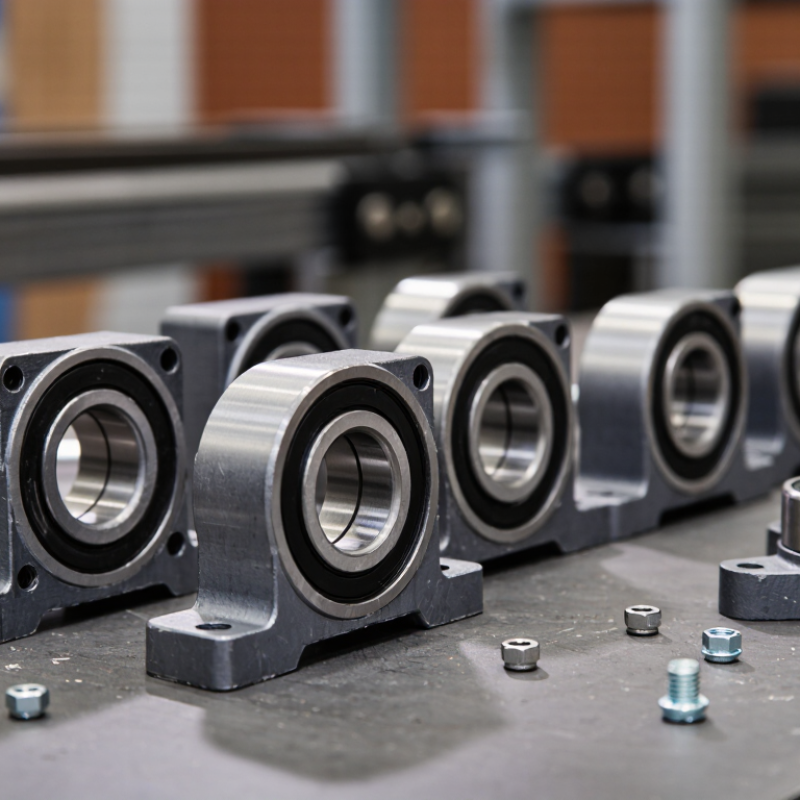
For common machinery, UCP200 and UCP300 suit horizontal shafts with adjustable mounting. UCF200 and UCF300 offer four-bolt flanges for rigid frames. UCFL200 and UCFL300 fit narrow side-mounted spaces. UCFC200 provides a compact circular flange. UCFA200 works well where access is limited. UCT200 supports tensioning applications. UCC200 suits take-up arrangements. UC200 inserts remain useful for replacement work.

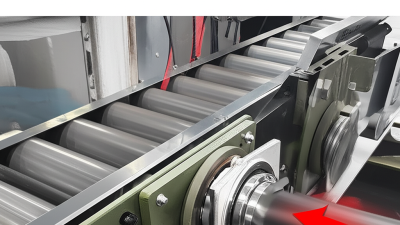
These models usually tolerate small shaft and housing misalignment. That feature helps conveyors, fans, agricultural equipment, and light processing lines. ISO 281 recommends rating-life calculations using load, speed, and reliability factors. Do not select by bore size alone. A 25-millimeter shaft can face very different loads. Check dynamic capacity, seal design, temperature, and lubrication access.

In field inspections, misalignment is often blamed too quickly. Loose foundations and poor shaft fits may be the real cause. I have seen a correctly sized bearing fail early after over-tightening. That mistake is easy to miss. Reported market growth looks positive, but it does not guarantee longer service life. Installation quality still decides much of the result.

Installation, Maintenance, and Selection Guidelines

Top 10 Best Self Aligning Pillow Block Bearings: Installation, Maintenance, and Selection Guidelines

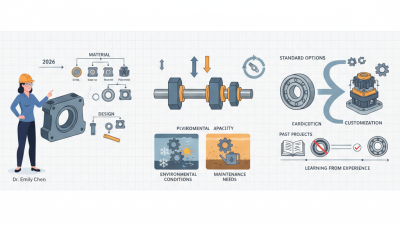
Selecting a self-aligning pillow block bearing starts with the load, shaft size, speed, and operating environment. ISO 281:2007 calculates bearing rating life from dynamic load capacity and equivalent load, not calendar time. Choose a bearing with adequate static capacity when shock loads occur. Dusty conveyors need effective seals, while wet areas require corrosion-resistant housing materials. A larger bearing is not automatically safer. Oversizing can increase friction and cost.

Installation accuracy matters. Clean the shaft, remove burrs, and check its diameter at several points with a micrometer. Slide the unit into position without hammering the housing. Tighten locking hardware gradually, then rotate the shaft by hand. It should move smoothly.

Do not skip alignment checks.

The U.S. Department of Energy’s Operations & Maintenance Best Practices guide reports that preventive maintenance may reduce costs by about 12–18% compared with reactive maintenance. Relubricate according to load, speed, temperature, and contamination, rather than using a fixed calendar alone. Too much grease can raise operating temperature. Too little grease accelerates wear. Inspect vibration, noise, housing temperature, and seal condition during routine rounds. ISO 15243:2017 helps classify damage patterns, including fatigue, contamination, and improper mounting. In practice, maintenance teams often blame the bearing first. That assumption deserves review. Frequently, poor shaft fit or excessive belt tension caused the failure.

Top 10 Best Self Aligning Pillow Block Bearings - Installation, Maintenance, and Selection Guidelines

Rank Standard Configuration Nominal Bore Housing Style Typical Dynamic Load Rating Typical Static Load Rating Self-Alignment Locking Method Sealing and Lubrication Recommended Applications Installation Guidelines Maintenance Guidelines
1 UCP201 12 mm Two-bolt cast housing with horizontal base Approximately 9.6 kN Approximately 4.8 kN Up to approximately 2°, subject to load and seal limits Two radial set screws Double-lip contact seals; factory-greased and generally relubricatable Small conveyors, fans, light-duty shafts, and compact machinery Use a clean, properly sized shaft. Slide the bearing into position without hammering the housing, align the shaft, and tighten both set screws evenly. Check set-screw tightness, shaft play, seal condition, and operating noise. Relubricate only with a compatible grease and avoid overfilling.
2 UCP202 15 mm Two-bolt cast housing with horizontal base Approximately 12.8 kN Approximately 6.7 kN Up to approximately 2°, subject to load and seal limits Two radial set screws Double-lip contact seals; factory-greased and generally relubricatable Light conveyor rollers, agricultural equipment, and small processing systems Verify the shaft shoulder and mounting surface are free of burrs. Tighten the housing bolts after alignment, then secure the insert bearing to the shaft. Inspect for grease leakage, corrosion, vibration, and temperature rise. Replace the unit if roughness remains after proper lubrication.
3 UCP203 17 mm Two-bolt cast housing with horizontal base Approximately 15.9 kN Approximately 8.2 kN Up to approximately 2°, subject to load and seal limits Two radial set screws Double-lip contact seals; factory-greased and generally relubricatable Material-handling equipment, small pumps, and moderate-duty conveyor systems Position the housing on a rigid, level surface. Align both bearing units before final tightening to prevent shaft bending and uneven loading. Monitor vibration and temperature during initial operation. Follow the equipment maker’s relubrication interval rather than adding grease at every inspection.
4 UCP204 20 mm Two-bolt cast housing with horizontal base Approximately 19.5 kN Approximately 10.8 kN Up to approximately 2°, subject to load and seal limits Two radial set screws Double-lip contact seals; factory-greased and generally relubricatable Conveyors, agricultural machinery, fans, and general industrial equipment Use a shaft tolerance suitable for a set-screw insert bearing. Tighten the two screws alternately and evenly, then verify smooth shaft rotation. Inspect the mounting bolts and set screws after the first operating period. Replace damaged seals promptly to prevent contamination ingress.
5 UCP205 25 mm Two-bolt cast housing with horizontal base Approximately 21.9 kN Approximately 12.2 kN Up to approximately 2°, subject to load and seal limits Two radial set screws Double-lip contact seals; factory-greased and generally relubricatable Medium-duty conveyors, belt drives, packaging equipment, and agricultural machinery Check that the shaft is round, clean, and free from raised material. Apply the specified tightening torque to the set screws and housing bolts. Use a compatible lithium-based or specified industrial grease. Avoid mixing incompatible greases and remove excess grease around the seals.
6 UCP206 30 mm Two-bolt cast housing with horizontal base Approximately 27.0 kN Approximately 15.3 kN Up to approximately 2°, subject to load and seal limits Two radial set screws Double-lip contact seals; factory-greased and generally relubricatable Heavy conveyor rollers, machine tools, fans, and process equipment Support the shaft during installation to prevent bearing damage. Align the shaft and housings before applying the final clamping force. Record temperature and vibration trends. Investigate rapid temperature increases, abnormal noise, or increased radial clearance immediately.
7 UCP207 35 mm Two-bolt cast housing with horizontal base Approximately 33.4 kN Approximately 19.0 kN Up to approximately 2°, subject to load and seal limits Two radial set screws Double-lip contact seals; factory-greased and generally relubricatable Heavy-duty conveyors, crushers, agricultural drives, and industrial transfer systems Confirm that the base is rigid enough to prevent housing distortion. Use calibrated tools for bolt and set-screw tightening. Inspect for fretting marks between the shaft and insert. Check grease condition and seal wear during scheduled shutdowns.
8 UCP208 40 mm Two-bolt cast housing with horizontal base Approximately 40.7 kN Approximately 24.0 kN Up to approximately 2°, subject to load and seal limits Two radial set screws Double-lip contact seals; factory-greased and generally relubricatable Large conveyors, industrial fans, material-handling systems, and processing machinery Measure the shaft diameter at several points and remove burrs before installation. Align the complete shaft assembly before locking the insert. Maintain clean grease fittings and protect them from washdown contamination. Replace the bearing if pitting, spalling, or excessive play is detected.
9 UCP209 45 mm Two-bolt cast housing with horizontal base Approximately 44.9 kN Approximately 27.0 kN Up to approximately 2°, subject to load and seal limits Two radial set screws Double-lip contact seals; factory-greased and generally relubricatable High-load conveyors, bulk-material handling, fans, and industrial drives Use a rigid mounting surface and confirm that the shaft is not forced into alignment by the bearing housings. Tighten fasteners in a controlled sequence. Establish baseline temperature and vibration readings. Increase inspection frequency in dusty, wet, shock-loaded, or frequently washed environments.
10 UCP210 50 mm Two-bolt cast housing with horizontal base Approximately 55.3 kN Approximately 33.2 kN Up to approximately 2°, subject to load and seal limits Two radial set screws Double-lip contact seals; factory-greased and generally relubricatable Heavy-duty conveyors, aggregate equipment, large fans, and industrial machinery Check shaft fit, housing flatness, and structural rigidity before installation. Use the applicable bearing manufacturer’s torque values and alignment limits. Inspect lubrication points, seals, fasteners, and shaft condition at planned intervals. Replace rather than reuse a bearing after severe contamination or impact damage.

Note: Load ratings are representative values for common metric insert-bearing configurations and can vary with internal design, clearance, seal type, lubrication, and operating conditions. Always confirm final dimensions, permissible speed, temperature range, mounting tolerances, and tightening torque against the applicable technical datasheet.