China Top 10 UCP Bearing Manufacturers for Global Buyers?
Choosing among China’s top 10 UCP Bearing manufacturers requires more than comparing catalog prices. Pillow-block units must withstand dust, vibration, misalignment, moisture, and repeated maintenance cycles. A low-cost housing may look attractive, yet poor machining can create uneven shaft contact and early failure.
Fortune Business Insights reported that the global bearing market reached approximately USD 129.19 billion in 2023. It also forecasts continued growth through 2032, driven by automotive, industrial machinery, agriculture, and renewable-energy applications. These figures show strong demand, but they do not prove supplier quality. Buyers still need factory audits, sample testing, traceable materials, and reliable export documentation.
According to Tedric A. Harris, author of Rolling Bearing Analysis, “Bearing life is a statistical quantity, not a guaranteed operating time.” This principle matters when evaluating every UCP Bearing supplier. Buyers should examine dynamic load ratings, bearing steel, sealing design, grease compatibility, housing tolerances, and compliance with ISO 281 methods. Field experience matters too. A bearing running beside a dusty conveyor faces different risks from one installed inside a clean packaging line.
This guide reviews ten Chinese manufacturers for global buyers. It considers production capability, customization, inspection systems, certifications, delivery performance, and application support. The ranking is not permanent. Market conditions change, and even an experienced supplier can miss a batch inspection. That is why careful verification remains essential.

What Are UCP Bearings and Why Are They Used?
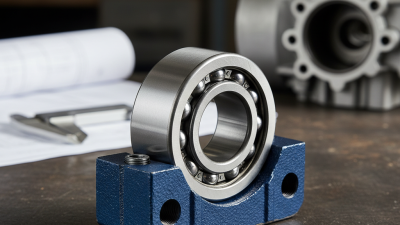
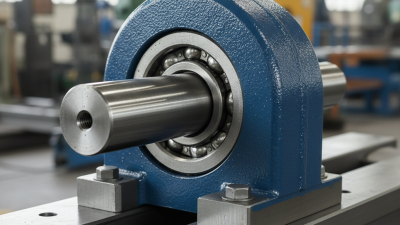
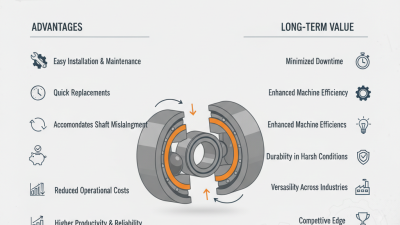
UCP bearings are mounted units designed to support rotating shafts with simple installation. “UCP” usually refers to a bearing insert fitted inside a pillow block housing. The housing has mounting holes, while the insert grips the shaft with set screws or another locking method. This design helps maintenance workers replace a bearing without rebuilding the entire shaft system. It is practical.
These bearings are widely used in conveyors, packaging machines, agricultural equipment, fans, and light industrial drives. Their housings can tolerate small alignment errors, which helps when equipment frames are not perfectly assembled. Seals also protect the rolling elements from dust and moisture. However, protection is never absolute. Heavy contamination, water spray, excessive speed, or poor lubrication can shorten service life quickly.
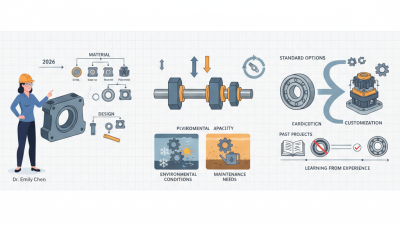
Global buyers comparing Chinese manufacturers should check more than price and catalog dimensions. Confirm shaft size, dynamic load rating, operating temperature, sealing design, housing material, and grease requirements. Request inspection records, material details, batch traceability, and samples before placing large orders. A bearing that feels smooth by hand may still fail under real load. That is an easy mistake. Installation quality matters too. Incorrect shaft tolerances, over-tightened set screws, and uneven mounting surfaces can create vibration and heat. Buyers should also verify testing against recognized standards and review delivery consistency, not only one successful sample.
China’s Top 10 UCP Bearing Manufacturers for Global Buyers
China’s Top 10 UCP Bearing Manufacturers for Global Buyers should be assessed through evidence, not attractive catalog claims. A reliable shortlist includes factories with documented quality systems, stable machining capacity, and clear export experience. Buyers should review housing materials, insert-bearing accuracy, sealing design, and grease performance. These details affect service life in conveyors, agricultural equipment, and factory lines.
An experienced purchasing team should request sample units before placing a large order. Check bolt-hole spacing, shaft fit, surface finish, and bearing rotation by hand. Ask for inspection reports, batch traceability, and load-test records. Useful suppliers explain tolerances clearly. They also respond directly when specifications change. Small details matter. Packaging deserves attention too. Moisture-resistant wrapping and firm internal supports can prevent damage during ocean transport.
The strongest manufacturers usually offer technical guidance rather than only low prices. Still, no factory is perfect. A supplier may have excellent machining but weaker documentation. Another may provide fast production but limited customization. I would compare at least three samples under the same conditions. Field feedback from distributors and maintenance engineers can reveal noise, vibration, and replacement issues that laboratory data misses. This process takes longer, but it reduces uncertain purchasing decisions.
How These Manufacturers Compare by Quality, Range, and Capacity
Comparing the top 10 UCP bearing manufacturers requires more than checking catalog prices. Quality often appears in small details, including consistent bore sizes, smooth shaft rotation, balanced housings, and stable grease performance. During factory evaluations, buyers should review steel grades, heat-treatment records, sealing tests, and inspection equipment. Certificates help, but they do not replace sample testing. A bearing that survives dusty workshops and repeated starts proves more than a polished brochure.
Product range also separates these manufacturers. Strong suppliers usually offer different bore sizes, housing materials, seal designs, and mounting options. Some support stainless steel or corrosion-resistant applications. Others focus on standard agricultural, conveyor, or industrial units. Capacity matters when orders become large. Check machining lines, monthly output, stock levels, packaging quality, and documented lead times. Reliable manufacturers can explain how they handle urgent orders without weakening quality control. No ranking is perfectly fair. Application conditions can change the result.
Tips: Request samples from several suppliers. Measure vibration, temperature, noise, and mounting fit. Ask for batch traceability and recent inspection reports. Confirm whether quoted capacity reflects normal production or peak output. A supplier may promise fast delivery, yet limited spare-part stock can create delays later. I would also inspect customer feedback carefully, because unusually perfect reviews deserve a second look. Small inconsistencies may reveal process weaknesses. Short audits help. Reality matters.
What Should Global Buyers Check Before Placing an Order?
China Top 10 UCP Bearing Manufacturers for Global Buyers
Choosing among China’s leading UCP bearing manufacturers requires more than comparing online prices. Global buyers should verify dimensions, load ratings, sealing structure, and housing materials against actual operating conditions. A UCP unit for a dusty conveyor needs stronger sealing than one used indoors. Check the shaft diameter, bolt-hole spacing, rotational speed, and temperature range carefully. Small mismatches can cause vibration, noise, or early failure.
Ask each supplier for current inspection reports, material certificates, tolerance data, and batch traceability records. Confirm whether testing covers hardness, radial clearance, grease condition, and mounting accuracy. Review production experience, quality-control procedures, and export packaging. A clear sample-order process is valuable. It shows how the supplier handles measurement, labeling, and communication before a larger commitment. Do not rely only on polished factory photos. They can look convincing, yet reveal little about daily quality.
Tips: Request samples from the same production line intended for mass orders. Measure the bore with a calibrated instrument and inspect the casting for pores or uneven surfaces. Compare test results with your own application requirements. Also confirm lead time, replacement procedures, payment terms, and shipping responsibilities in writing. One point deserves reflection: the cheapest unit may reduce purchase cost but increase downtime. Even reliable documents may become outdated, so request fresh evidence before ordering.
China Top 10 UCP Bearing Manufacturers for Global Buyers — What Should Buyers Check Before Placing an Order?
The chart shows the nominal bore diameters of ten common UCP pillow block bearing sizes. Before placing an order, global buyers should confirm the exact UCP series, shaft diameter, bearing load rating, housing material, sealing type, lubrication requirements, applicable standards, inspection records, and dimensional drawings. Equivalent size codes may have different performance specifications between suppliers.