2026 How to Choose the Right Pillow Block Bearing Housing for Your Project?
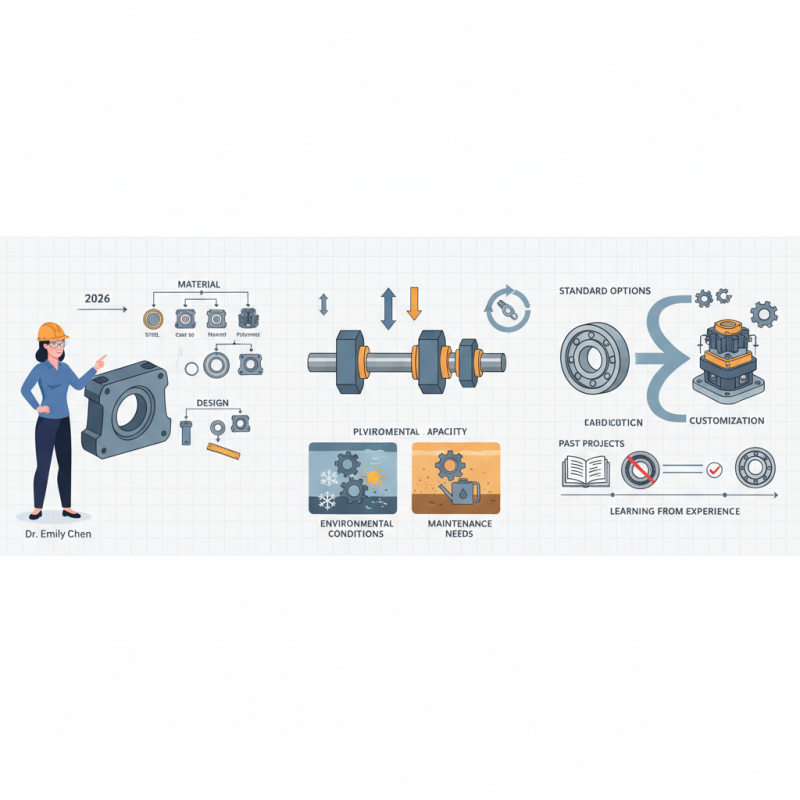
Choosing the right Pillow Block Bearing Housing is crucial for any engineering project. An expert in the field, Dr. Emily Chen, emphasizes, "Selecting the right bearing housing can enhance performance and longevity." Understanding your project's requirements is key. The material, size, and design all play significant roles in the selection process.
Pillow Block Bearing Housings come in various forms. Each type offers distinct advantages and disadvantages. It's essential to evaluate load capacity, environmental conditions, and maintenance needs. This deliberation often impacts the overall efficiency of machinery. Ignoring these aspects could lead to premature failures.
While many opt for standard options, customization might be necessary for specific applications. This is where understanding the project intricacies becomes vital. Reflecting on past projects can help identify what works and what doesn’t. In the world of engineering, learning from experience is invaluable. Hence, a thoughtful approach to selecting a Pillow Block Bearing Housing could make all the difference.
Understanding the Basics of Pillow Block Bearing Housings and Their Uses
Pillow block bearing housings are essential for supporting rotating shafts. They provide stability and alignment for the bearings, extending the lifespan of your machinery. These housings come in various materials and designs, making it crucial to understand your project's needs.
When selecting a pillow block bearing housing, consider the application. Think about factors like load capacity, environmental conditions, and mounting options. Often, users overlook the importance of housing material. For example, cast iron may be more durable in aggressive environments than plastic housings. The right choice can make a significant difference in performance.
Tips: Always check the compatibility of the housing with the bearing size. Ensure that mounting holes align well with your existing setup. Don’t forget to evaluate the lubrication options available. Regular maintenance is necessary, but the right housing can minimize downtime and repairs. Remember, a mismatch can lead to unexpected failures, requiring costly fixes.
Key Factors to Consider When Selecting Pillow Block Bearing Housings
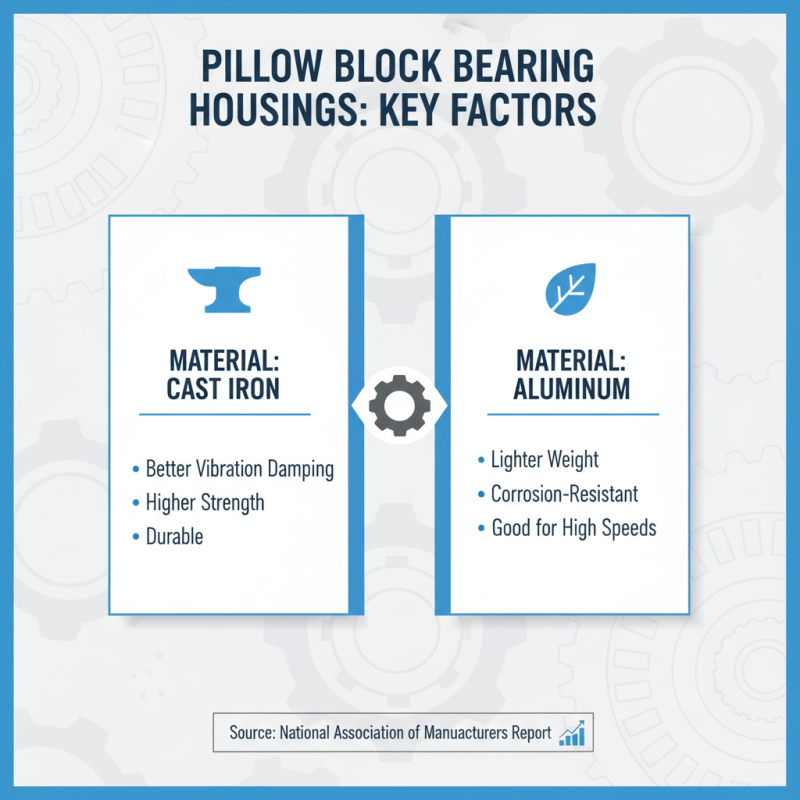
When selecting pillow block bearing housings, several key factors must be considered. The material of the housing plays a critical role in its performance. Aluminum and cast iron are common choices, each offering unique advantages. A report by the National Association of Manufacturers indicates that cast iron provides better vibration dampening, while aluminum is lighter and more corrosion-resistant.
Another vital aspect is the compatibility with the bearing itself. The correct fit ensures optimal load distribution and reduces wear. According to the American Society of Mechanical Engineers, a poor fit can lead to a 30% decrease in lifespan for bearings. Additionally, the environment in which the housing will operate is crucial. High-temperature or harsh conditions may require special coatings or seals.
Installation ease should not be overlooked. Some housings come with mounting options that simplify alignment and reduce installation time. Engineers often find that a well-designed housing can minimize the need for frequent adjustments. However, many still underestimate the importance of maintenance. Regular inspections and lubrication can significantly enhance longevity, yet they are often neglected, leading to costly failures and downtime.
Material Selection for Optimal Performance in Pillow Block Bearings
When selecting a pillow block bearing housing, material choice is crucial for achieving optimal performance. Common materials include cast iron, steel, and thermoplastics. Each option has distinct advantages. For instance, cast iron can absorb vibrations; however, it may not withstand corrosive environments as well as other materials.
Another consideration is thermal conductivity. Steel often performs well under increased temperatures, but it can rust if not properly treated. Thermoplastics offer lightweight solutions, but they may lack strength under heavy loads.
Evaluate the specific application demands, including load capacity and environmental factors, to select the right material.
Remember, not all applications require the most robust material. Sometimes, a cost-effective option suffices. Regular assessments of the operational setting and bearing performance can lead to better decisions. Be open to reevaluating your choices as conditions change. Adapting to your project's needs can ensure lasting and efficient performance in your pillow block bearing housing.
Analyzing Load Capacity and Durability in Bearing Housing Choices
When selecting a pillow block bearing housing, evaluating load capacity and durability is crucial.
Load capacity refers to the maximum load the bearing can support. The design and materials of the housing significantly influence this capacity.
For example, steel housings can handle more weight than plastic. If the load exceeds capacity, it may lead to premature failure.
Durability is equally important. It determines how long the bearing will last under operational conditions. High-quality materials and superior manufacturing processes contribute to durability.
Corrosion resistance is a key factor; housings exposed to harsh environments need extra care.
Even small factors, like moisture or dirt, can compromise durability.
Consider the specifics of your application. Operating temperatures and environments must match the bearing's specifications.
Reflections on past projects show that overlooking these details often leads to issues.
An underperforming bearing can disrupt operations, causing downtime and increased costs.
Always assess these elements carefully before making a decision.
Maintenance Considerations for Extended Lifespan of Pillow Block Bearings
Choosing the right pillow block bearing housing can significantly impact the lifespan and performance of your equipment. Regular maintenance is critical. Proper lubrication can prevent wear and tear. According to a report by the International Journal of Engineering, poorly maintained bearings can lead to equipment failure in 42% of cases. This emphasizes the need for diligent care.
Inspecting the housing for damage or corrosion should be routine. A small crack can lead to bigger problems. Ensuring the seals are intact is vital for minimizing contamination. Simple checks can extend bearing life considerably. For optimal performance, replace lubricant regularly. Using a suitable type can enhance efficiency.
Tip: Maintain a clean work environment to avoid contamination. Also, monitor operational temperatures closely. Excessive heat can accelerate degradation. Ensure all components are correctly aligned. Misalignment causes unnecessary stress on bearings. This essential attention to detail can avert costly downtime and repairs. Reflect on your maintenance habits; even minor adjustments can yield significant benefits.