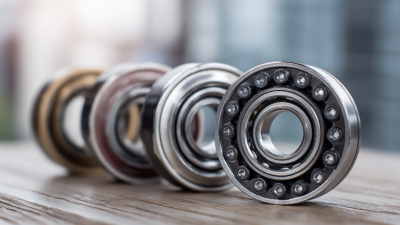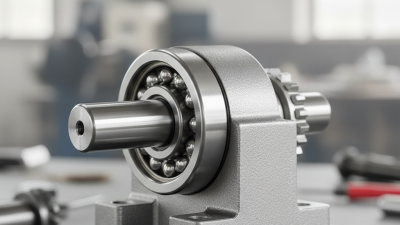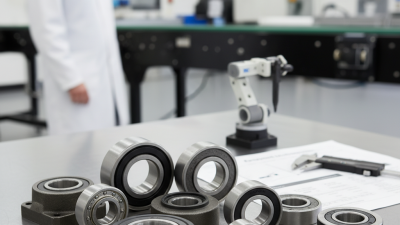
A Pillow Block Flange Bearing combines a mounted bearing insert with a flanged housing. It supports rotating shafts while simplifying alignment, installation, and maintenance. You may see this arrangement in conveyors, packaging machines, agricultural equipment, and light industrial drives.
The global bearings market reached approximately USD 136 billion in 2023, according to Grand View Research. MarketsandMarkets also projects continued growth through 2030, driven by automation, electric motors, and industrial equipment upgrades. These figures cover many bearing types, not Pillow Block Flange Bearing units alone. That distinction matters.
Tedric A. Harris, a leading rolling-bearing researcher, emphasized a practical truth: “Bearing life is a statistical expectation, not a guarantee.” His work reminds engineers to examine load, speed, lubrication, contamination, and installation quality together. A bearing mounted beside a dusty conveyor may fail long before its catalog rating suggests. That is not always a manufacturing defect.
The housing shape also deserves attention. A two-bolt flange may suit a compact frame, while a four-bolt design can provide stronger support. Sealed inserts resist ordinary dust and moisture, but they are not maintenance-free. Small alignment errors can create heat, noise, and premature wear.
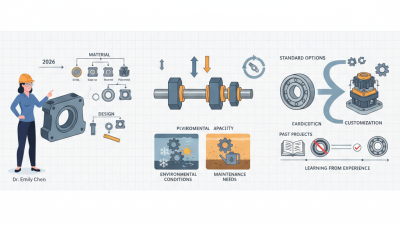
Choosing this component requires more than matching shaft diameter. Engineers should compare dynamic load ratings, operating temperature, shaft tolerance, sealing design, and replacement access. Some product descriptions remain confusing. “Pillow block flange bearing” is occasionally used loosely, even when the housing geometry differs. That uncertainty deserves careful review before purchasing.
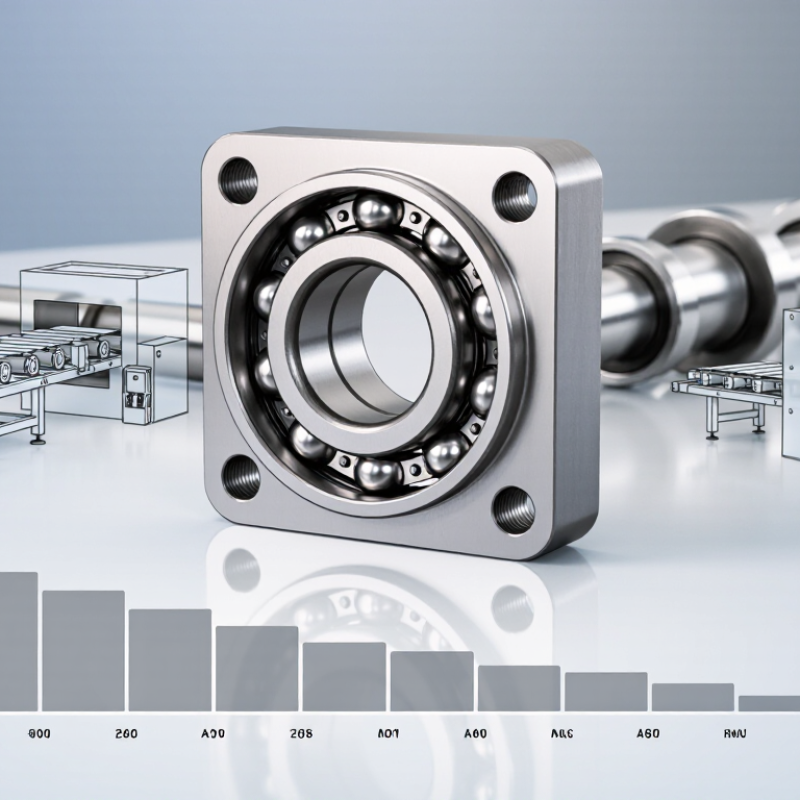
A pillow block flange bearing is a mounted bearing unit that supports a rotating shaft.
Its housing usually includes a flange for bolting the unit to a machine frame, plate, or vertical surface. Inside, the bearing allows the shaft to rotate while reducing friction between moving parts.
Its purpose is practical: to hold a shaft in a stable position and transfer operating loads into the surrounding structure. The flange helps maintain alignment during installation.
A typical unit may include a bearing insert, housing, locking method, and seals that limit dust or lubricant loss. In workshop applications, technicians often use these bearings on conveyors, fans, packaging equipment, and light-duty transmission systems.
Correct selection depends on more than shaft diameter. Check radial load, occasional axial load, speed, temperature, moisture, and available mounting space. A bearing that fits perfectly may still fail early if the housing twists or the shaft is misaligned.
Keep that in mind.
During maintenance, inspect loose bolts, unusual noise, heat marks, and grease leakage. A clean, correctly aligned shaft usually improves service life, although operating conditions can change quickly. Some installations also need relubrication, while sealed units may require replacement instead. The manufacturer’s load ratings and installation instructions remain important reference points, not optional reading.
A pillow block flange bearing supports a rotating shaft while attaching securely to a machine frame. Its main structure includes a bearing insert, housing, flange, seals, and fastening holes. The bearing insert carries radial loads and allows the shaft to rotate with low friction. The housing protects the insert and keeps the assembly aligned. A flange spreads mounting forces across the supporting surface.
Many units include a grease fitting, locking collar, or set screws. These details help secure the shaft during vibration or changing loads. Seals reduce the entry of dust, moisture, and metal particles. The housing may use cast iron, pressed steel, or engineered polymer. Material choice affects strength, weight, corrosion resistance, and operating noise. In practical maintenance work, alignment often matters more than expected. Even a strong bearing can wear quickly when the shaft sits at an angle. This is an easy mistake to overlook.
Tips: Check the shaft diameter before installation. Keep the mounting surface flat and clean. Tighten fasteners evenly, then rotate the shaft by hand. It should move smoothly without binding. Apply the correct grease quantity, not simply more grease. Recheck set screws after initial operation, especially where vibration is present. If unusual noise appears, inspect alignment, lubrication, and seal condition before replacing the entire unit.
A pillow block flange bearing supports a rotating shaft while holding it securely to a machine frame. Its housing uses a flange or mounting base for firm installation. Inside, an insert bearing carries the shaft through rolling elements, such as balls or rollers. The inner ring turns with the shaft. The outer ring remains fixed inside the housing.
As the shaft rotates, the rolling elements reduce sliding friction between both rings. Seals help retain grease and block dust, moisture, and metal particles. The housing also helps distribute radial loads across the mounting surface. Some designs can tolerate limited misalignment, but they are not a solution for poor shaft alignment. Excessive offset may create heat, vibration, and early wear.
A practical inspection should check loose bolts, unusual noise, rising temperature, and grease leakage. A cool bearing is not always a healthy bearing. Measuring vibration can reveal problems before visible damage appears. I have found that installation errors are often underestimated. Even a clean bearing may fail when the shaft is forced into position.
A pillow block flange bearing combines a rolling bearing with a supported housing. It carries a rotating shaft while fixing the bearing to a machine frame. The flange may be round, square, oval, or two-bolt. Four-bolt designs usually provide better resistance to turning loads. Two-bolt versions fit narrower panels and simpler equipment. That difference matters more than appearance.
Common mounting configurations include vertical wall mounting, horizontal base mounting, and end-panel mounting. An eccentric locking collar suits many moderate-duty shafts. Set-screw locking works quickly, but poor tightening can mark the shaft. Adapter sleeves offer better adjustment on larger shaft assemblies. Leave practical access around the housing. Maintenance becomes frustrating when bolts sit behind guards.
A 2024 industry market report estimated the global bearing market above US$120 billion, reflecting continued demand across machinery and transport equipment. The figure covers many bearing categories, not only flange units. ISO 281 remains a key reference for basic rating life calculations. In real installations, contamination, shaft misalignment, and inadequate lubrication often reduce service life first. Engineers sometimes select a larger bearing too quickly. A stronger housing cannot correct a bent shaft or a poorly supported panel. Check the mounting surface, shaft fit, load direction, and relubrication access before final selection.
Selection, Installation, and Maintenance Considerations
A pillow block flange bearing combines a rolling bearing with a rigid housing. The housing supports a shaft and mounts to a machine frame through a flange. Select the unit by shaft diameter, radial load, speed, and operating temperature. Check axial loads too. They are often overlooked. Dust, moisture, chemicals, and frequent washdowns also affect seal and housing choices.
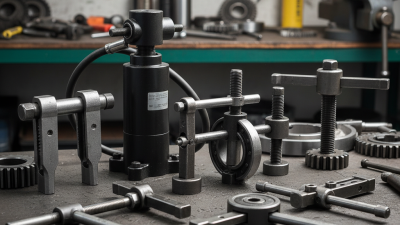
Installation starts with a clean shaft and mounting surface. Remove burrs before sliding the bearing into position. Align the shaft carefully, because flange bearings cannot correct major misalignment. Tighten mounting bolts evenly, then secure the inner ring using the specified locking method. Do not rely on excessive force. It can distort the bearing and raise operating temperature. Leave enough space for inspection and grease access.
Maintenance should include regular checks for noise, vibration, heat, loose fasteners, and seal damage. A temperature increase of only a few degrees may signal poor lubrication or misalignment. Use the recommended grease and quantity. More grease is not always better. During inspection, rotate the shaft by hand and feel for roughness. Replace damaged seals promptly. A clean installation can still fail when the frame flexes under load. No checklist catches everything. Record operating conditions, but question unusual readings instead of accepting them blindly.