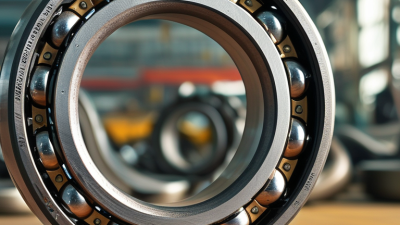
Top Pillow Block Bearing Manufacturers for Global Buyers
For global buyers, selecting a reliable Pillow Block Bearing manufacturer involves more than comparing catalog prices. These components support rotating shafts in conveyors, fans, agricultural machines, and processing equipment. A weak housing, poor seal, or inaccurate bore can create vibration, heat, and costly downtime. This guide examines manufacturers through practical evidence, engineering capability, quality systems, and service performance. Real factories matter. So do test reports.
Leading suppliers usually offer cast iron, stainless steel, and thermoplastic housings for different environments. They should explain load ratings, shaft tolerances, lubrication methods, and operating temperature limits clearly. Buyers also need evidence of dimensional inspection, material control, bearing-life testing, and traceable production records. Certifications can support confidence, but certificates alone prove little. Factory audits, sample orders, and application discussions often reveal more. A polished website is not enough.
This overview considers established manufacturers serving international markets, including their product ranges, customization options, delivery capacity, and technical support. Attention is given to sealing designs, corrosion resistance, mounting accuracy, and replacement availability. These details become visible beside a dusty conveyor or a washdown line. Some rankings remain subjective. Market data changes, and supplier performance can vary by region. Therefore, readers should verify current specifications, certifications, lead times, and warranty terms before purchasing. Careful comparison reduces risk. It cannot remove every risk.
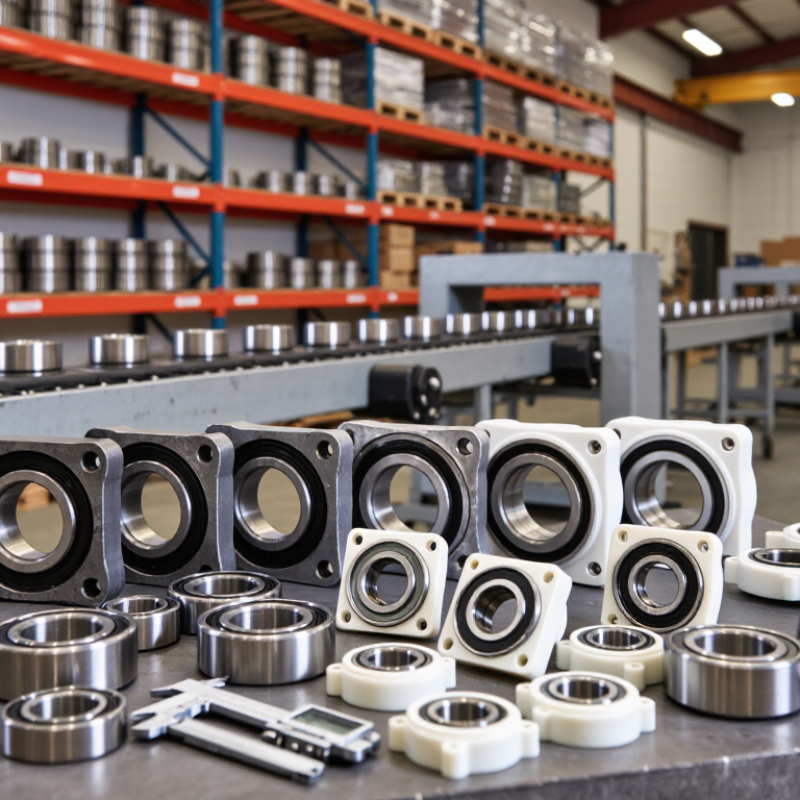
Understanding Pillow Block Bearings and Their Industrial Applications
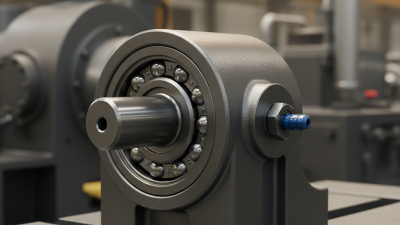
Pillow block bearings support rotating shafts through a housing that can be bolted directly to a machine frame. Their simple structure makes installation practical in conveyors, fans, pumps, agricultural equipment, and packaging lines. The bearing insert usually includes a locking method, while the housing helps maintain shaft alignment. Material choice matters. Cast iron suits many stationary machines, while stainless steel and composite housings perform better in wet or corrosive areas.
When comparing pillow block bearing manufacturers, global buyers should check load ratings, shaft tolerance, seal design, lubrication requirements, and traceable quality records. A bearing may look suitable but fail under shock loads or frequent washdowns. In maintenance inspections, loose mounting bolts, uneven shaft wear, and excess grease are recurring warning signs. I once underestimated contamination during a dusty application; the service interval was too optimistic. That mistake showed why operating conditions must guide every specification.
Tips:
Measure the shaft before ordering. Confirm radial and axial loads. Choose seals for the actual environment, not the catalog photo. Check temperature limits and replacement availability. During installation, tighten fasteners evenly and avoid striking the bearing directly. A small alignment error can create heat, vibration, and early failure. Keep inspection notes, even when the machine appears healthy. Data often reveals patterns that memory misses.
Key Criteria for Evaluating Global Pillow Block Bearing Manufacturers
Global buyers should judge pillow block bearing manufacturers beyond catalog prices. The housing, insert bearing, seals, and mounting method must match the application. Ask for dynamic and static load ratings, shaft tolerance ranges, operating temperatures, and lubrication guidance. Request material certificates and dimensional inspection records. Clear technical answers reveal more than polished brochures. Keep samples under controlled testing. Measure noise, runout, temperature rise, and mounting fit. Small deviations matter.
A reliable manufacturer should provide batch traceability from steel receipt to final inspection. Check quality certifications, calibration records, corrective-action reports, and independent audit access. Certification alone is not proof. Ask how rejected units are isolated and documented. Review production capacity against your forecast, not an optimistic monthly figure. Confirm lead times, packaging, spare seals, export documents, and communication in your target time zone. Written change-control procedures protect compatibility when materials or tooling change.
Price deserves careful context. A cheaper unit may create higher costs through early vibration, downtime, or replacement labor. Compare total landed cost and service life using the same duty assumptions. I once treated delivery speed as the strongest buying signal; that was too narrow. Fast shipment cannot repair uncertain metallurgy or weak inspection. Some evaluations remain imperfect. A factory visit may show one excellent line, not every shift. Combine records, samples, reference checks, and repeated orders before expanding volume. Trust should be earned gradually, with measurable evidence at each stage.
Comparing Materials, Designs, Standards, and Customization Options
Choosing a pillow block bearing for global service requires more than comparing price and bore size. Cast iron housings suit heavy industrial loads and resist deformation. Stainless steel performs better in wet, corrosive, or washdown environments. Polymer housings can reduce weight, though heat and impact limits need careful review. Seals also matter. A poor seal can allow dust to reach the raceway within weeks.
Design selection depends on shaft movement, mounting space, and maintenance habits. Eccentric locking collars are practical for many rotating shafts. Adapter sleeves may support larger assemblies and easier adjustment. Fixed and expansion units handle thermal movement differently. Check load ratings, shaft tolerances, lubrication access, and operating temperature together. Standards such as ISO requirements can support consistency, but certificates alone do not prove field performance. Request dimensional drawings, material records, test data, and traceable inspection reports.
Tips: Compare metric and inch dimensions carefully. Verify housing flatness. Ask how seals were tested. For custom orders, define bore size, coating, grease type, mounting holes, and inspection points before production. A supplier may accept unusual changes, but customization can complicate replacement later. I have seen designs optimized for corrosion but weakened by excessive clearance. That trade-off is easy to miss. A pilot sample, run under real load and contamination, often reveals more than a polished specification sheet.
How International Buyers Can Select a Reliable Supplier
Top Pillow Block Bearing Manufacturers for Global Buyers
How International Buyers Can Select a Reliable Supplier
Selecting a reliable pillow block bearing supplier requires more than comparing prices. Check the supplier’s manufacturing experience, quality procedures, and export history. Ask for product drawings, material specifications, load ratings, and tolerance data. A dependable manufacturer should explain how each figure was measured. Vague answers deserve caution.
Request a sample before placing a large order. Inspect the housing finish, bearing rotation, seals, grease condition, and mounting holes. If possible, test the unit under a load similar to your application. Ask for inspection reports and batch traceability documents. Clear records show whether the supplier controls production or simply resells products. The packaging also matters. Moisture barriers, labels, and strong cartons can prevent damage during long transportation.
Communication reveals practical reliability. A capable supplier should confirm shaft size, operating temperature, speed, lubrication needs, and delivery terms in writing. They should also explain how they handle nonconforming goods. Do not accept promises without measurable conditions. I have seen low quotations become expensive after missing accessories, unclear tolerances, or delayed replies. Still, an expensive offer is not automatically better. Compare evidence, not presentation.
A useful evaluation includes factory capability, sample performance, documentation, response time, and after-sales support. Independent inspection may be worthwhile for larger orders. It adds cost, but it can expose problems before shipment. No checklist is perfect. Your operating environment may reveal weaknesses that a supplier’s standard test misses.
Top Pillow Block Bearing Manufacturers for Global Buyers
How international buyers can select a reliable supplier through a structured 100-point evaluation model.
The evaluation weights reflect common industrial procurement priorities: product quality and compliance receive the highest importance, followed by delivery reliability, technical support, total cost, customization capability, and sustainability. Buyers should verify each factor using audit records, inspection reports, test certificates, delivery data, and contractual service terms.