What are the Key Benefits of Ucp Bearings for Global Buyers
Ucp Bearings are crucial components for various industries, including automotive, agriculture, and manufacturing. According to a recent report by Market Research Future, the Ucp Bearing market is projected to grow by 5.2% annually until 2027. This growth highlights the increasing demand and importance of Ucp Bearings among global buyers.
Industry expert Dr. Maria Thompson, a leading researcher in bearing technology, emphasizes, “Ucp Bearings enhance efficiency and performance in machinery.” This statement reflects the significant impact of Ucp Bearings on operational productivity. They are designed for durability and reliability, reducing maintenance costs over time.
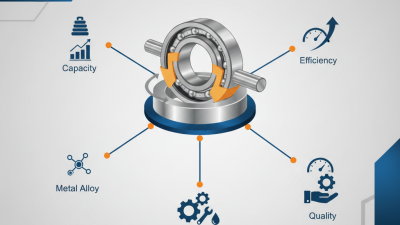
However, selecting the right Ucp Bearing can be challenging. Buyers must consider factors such as load capacity, material types, and operating conditions. Mistakes in choosing can lead to reduced efficiency. It is essential to assess these variables for optimal performance and longevity of equipment. Understanding these benefits can guide buyers in making informed decisions.
Key Advantages of UCP Bearings in Industrial Applications
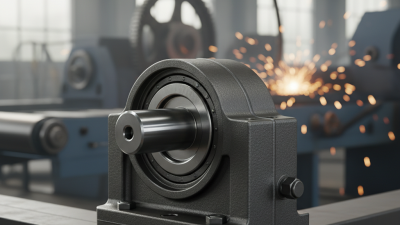
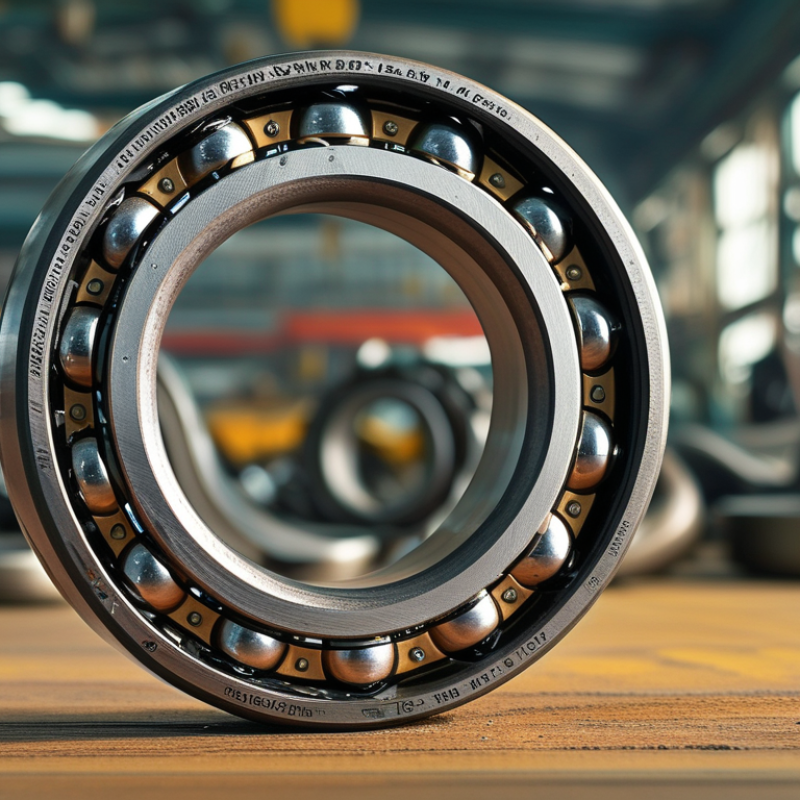
UCP bearings offer significant advantages for various industrial applications. These units are designed to support rotating shafts in machinery. Their robust construction improves reliability in challenging environments. UCP bearings are often made of high-quality materials, ensuring durability and longevity.
One major benefit lies in their ease of installation. They feature a split housing design, simplifying alignment and replacement. This design can save companies valuable time during maintenance or repairs. Furthermore, their versatility allows them to be used in different industries, from agriculture to manufacturing.
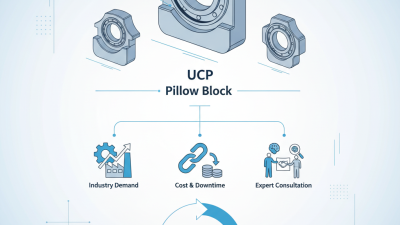
However, users should reflect on the specific requirements of their applications. Not every UCP bearing may suit every task. Different load capacities and temperature ranges exist, which can affect performance. Buyers must understand their machinery's needs to make informed choices. Balancing quality and cost is also crucial. Investing in reliable bearings may lead to long-term savings, while cheaper alternatives might increase downtime and costs.
Enhanced Load Capacity: Evaluating UCP Bearings Performance Metrics
UCP bearings bring significant benefits that can enhance machines' performance. One key aspect is their enhanced load capacity. These bearings can support greater loads while maintaining stability, which is crucial for industrial applications. Engineers constantly evaluate performance metrics to ensure efficiency. UCP bearings often excel in conditions that demand high reliability.
Moreover, their design allows for effective weight distribution. This helps reduce wear on machinery over time. Perfect alignment may not always be achievable, leading to potential misalignments. Nevertheless, UCP bearings can mitigate issues that arise from such discrepancies. They effectively tolerate misalignment, ensuring longer service life and maintenance savings.
The ability to handle higher loads without immediate failure is a game changer. Users should consider the specific metrics relevant to their operations. Testing under realistic conditions is advisable. Neglecting these tests may lead to overestimating the bearing's capabilities. Always remember that while UCP bearings offer numerous advantages, understanding their limits is essential for optimal use.
Cost Efficiency: UCP Bearings vs. Traditional Bearing Solutions
UCP bearings have emerged as a cost-effective alternative to traditional bearing solutions. These unique units simplify installation and maintenance. Their integrated design reduces the number of components, which cuts down on both material costs and labor expenses. For global buyers, this means immediate savings and a healthier bottom line.
However, not every application may benefit equally from UCP bearings. While they are designed for flexibility, the specific load and environmental conditions should be considered. It’s crucial to evaluate whether UCP bearings are suitable for your unique operational needs. Minor adjustments to designs can yield significant results.
Tips: Always perform a thorough assessment of your machinery’s requirements. Prioritize reliability and efficiency over mere price in your selection. Regular maintenance of any bearing type is key to longevity. Balancing cost and performance ensures you make the smartest choice for your operations.
Durability and Longevity: Statistical Analysis of UCP Bearings Lifespan
UCP bearings are crucial in various applications. They provide significant durability and longevity, proven by extensive statistical analysis. Many industries, from agriculture to manufacturing, rely on these bearings. Their lifespan often exceeds expectations, offering excellent value for investment.
Statistical data shows that UCP bearings can last significantly longer than standard bearings. Many users report lifespans ranging from five to ten years under regular use. This longevity reduces the frequency of replacements, saving time and costs for businesses. However, operating conditions play a vital role in their lifespan. Environmental factors and load conditions can impact performance.
While UCP bearings are reliable, maintenance cannot be overlooked. Regular inspections and proper lubrication enhance their longevity. Users should ensure they adapt to specific operational environments. Some may find that extreme conditions lead to wear and tear faster than expected. This highlights the importance of understanding how to optimize bearing life effectively.
Key Benefits of UCP Bearings for Global Buyers - Durability and Longevity
This bar chart illustrates the lifespan of different types of UCP bearings. It highlights the durability and longevity, showing that UCP Bearing C has the highest lifespan at 15 years, followed closely by UCP Bearing B at 12 years. This information is crucial for global buyers when selecting high-quality bearings.
Global Market Trends: UCP Bearings Adoption and Growth Projections
UCP bearings have become increasingly important in the global marketplace, demonstrating significant growth projections. According to a recent industry report, the global UCP bearing market is anticipated to reach $5 billion by 2025. This represents an impressive compound annual growth rate of 7% from 2020. Manufacturers are recognizing the advantages of UCP bearings and aligning their production strategies.
As industries lean towards automation, there is a rising demand for reliable and efficient components. UCP bearings offer several benefits, including superior load capacity and ease of installation. These features are appealing to buyers looking to reduce maintenance costs. A case study from Research and Markets suggests that buyers in the automotive sector are particularly interested in adopting UCP bearings due to their ability to enhance performance.
The ongoing trend of sustainability in manufacturing is pushing UCP bearings into the spotlight. They can lead to energy savings and lower operational costs. However, it's essential to note that not all UCP bearings are created equal. There are quality variations that buyers need to consider. Investing in the right type is crucial for long-term benefits. The industry must acknowledge these challenges to ensure future growth and reliability.