How to Choose the Right Pillow Block Bearing 10mm for Your Project?
Choosing the right Pillow Block Bearing 10mm can significantly impact your project’s success. These components play a crucial role in supporting rotating shafts. A well-selected bearing minimizes friction and enhances efficiency.
When evaluating options, consider your project's specific requirements. Factors like load capacity, operating speed, and environmental conditions matter. Evaluate materials and construction quality to ensure durability. Sometimes, the ideal bearing might look different than expected.
Understanding the nuances of Pillow Block Bearings is essential. A wrong choice can result in premature failure and costly downtime. Reflect on your needs and seek expert advice. This approach fosters a more reliable, efficient outcome for your project.
Understanding Pillow Block Bearings: Key Features and Functions
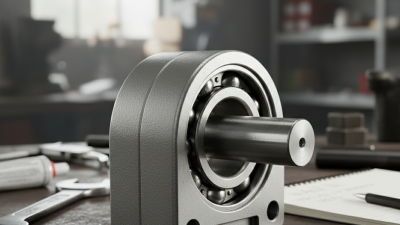
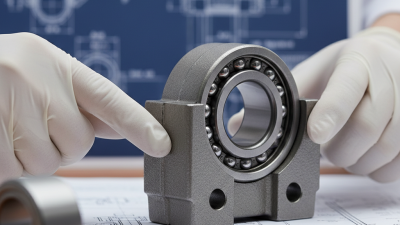
Pillow block bearings are essential components in various mechanical applications. They support rotating shafts while allowing for smooth motion. Understanding their key features can help you select the right one for your project.
One major feature is the housing material. It can be made of cast iron, aluminum, or thermoplastic. Each material offers different benefits. For example, cast iron provides strength, while thermoplastics can reduce weight. Consider the environment where the bearing will be used. Harsh conditions may require more durable materials.
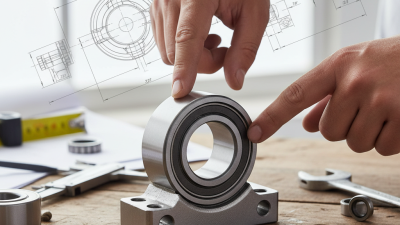
Another important aspect is the size. A 10mm pillow block bearing suits specific applications. Measure your shaft diameter carefully. Also, look at load capacity. It must support the strain your project entails. Some designs come with seals or shields, which protect against contaminants. This protection can extend the bearing's lifespan. Always assess your needs and how the bearing’s features align with them.
How to Choose the Right Pillow Block Bearing 10mm for Your Project?
Factors to Consider When Selecting a 10mm Pillow Block Bearing
Choosing the right pillow block bearing for your project is crucial. A 10mm pillow block bearing can support various applications. However, several factors need your attention. The load capacity is a primary concern. Assess the weight the bearing must support. Consider the environment as well. High humidity or extreme temperatures can affect performance.
Material is another aspect to evaluate. Common materials include steel and plastic. Steel offers strength, while plastic may resist corrosion. Each option has its pros and cons. Evaluate them based on your project needs. Remember, durability matters. A poor choice can lead to early failures.
Tips: Always check the specifications before purchasing. Double-check the shaft size. Any discrepancy can lead to alignment issues. Consider maintenance as well. Some bearings require more frequent care than others. Lastly, seek advice from experienced professionals. Their insights can prevent costly mistakes.
How to Choose the Right Pillow Block Bearing 10mm for Your Project? - Factors to Consider When Selecting a 10mm Pillow Block Bearing
| Factor |
Description |
Importance Level |
| Load Capacity |
Choose based on the maximum load the bearing will support during operation. |
High |
| Operating Speed |
Consider the maximum RPM the bearing will handle to ensure efficiency. |
Medium |
| Material |
Select based on corrosion resistance and the working environment. |
High |
| Temperature Range |
Evaluate the operating temperature range to avoid material failure. |
Medium |
| Sealing Type |
Determine whether you need shields or seals based on contamination risk. |
High |
| Mounting Options |
Check compatibility with your machinery for easy installation. |
Medium |
| Lubrication Type |
Choose between grease or oil based on the application needs. |
Medium |
Materials and Construction Types for Pillow Block Bearings
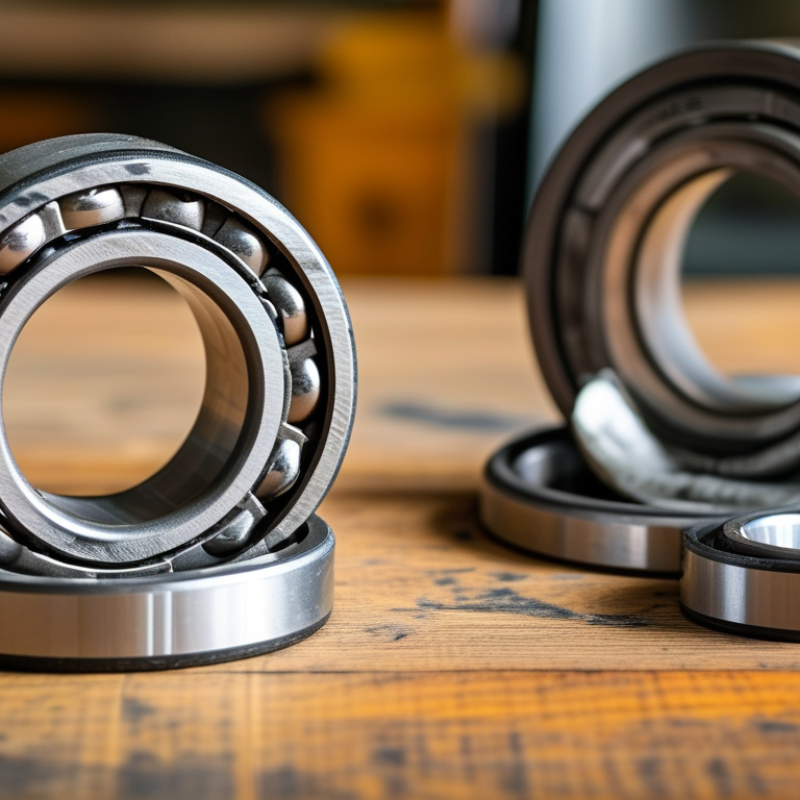
When selecting a pillow block bearing, material choice significantly influences performance. Common materials include cast iron, stainless steel, and thermoplastics.
Cast iron offers strength and durability, making it ideal for heavy-duty applications. However, it is susceptible to corrosion. In contrast, stainless steel provides excellent resistance to harsh environments, but it may be costlier.
Thermoplastics are lightweight and corrosion-resistant, suitable for moderate loads.
Construction type of pillow block bearings also plays a critical role. The most common types are solid and split designs.
Solid pillow blocks offer better rigidity and can handle higher loads. Conversely, split pillow blocks ease installation and maintenance but may exhibit lower strength.
Reports indicate that solid designs can deliver up to 25% more load capacity than split types.
Balancing material choice and construction can be challenging. It’s crucial to assess factors like load requirements, environmental conditions, and budget constraints. A mismatch in these factors could lead to premature bearing failure.
It’s essential to evaluate every aspect thoroughly to ensure longevity and reliability.
Common Applications and Uses for 10mm Pillow Block Bearings
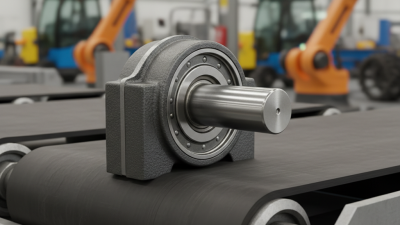
Pillow block bearings are essential components in various applications. Specifically, 10mm pillow block bearings are highly versatile. They are commonly used in machinery, conveyor systems, and automotive applications. Their compact size allows for efficient use in limited spaces.
Data from industry reports illustrate the significance of these bearings. For instance, around 25% of manufacturing operations utilize 10mm pillow block bearings. These applications range from small-scale robotics to larger conveyor systems. Their ability to handle moderate loads effectively makes them popular.
However, selecting the right bearing requires careful consideration. Not all projects require high-speed performance. Evaluating environmental factors, such as temperature fluctuations, is crucial. Misapplying a bearing in extreme conditions can lead to premature failure. Understanding the specific requirements of your project can help you avoid costly mistakes. A thoughtful approach ensures that you choose a bearing that fits your needs without overspending.
Tips for Maintenance and Longevity of Pillow Block Bearings
Pillow block bearings play a critical role in various mechanical applications. Proper maintenance ensures longevity and optimal performance. Regular inspections can help identify potential issues before they escalate. Look for signs of wear, such as unusual noises or vibrations. Early detection can save you from costly repairs.
Lubrication is another key aspect of maintenance. Keep an eye on lubrication levels and apply lubricant as needed. Over-lubricating can lead to grease buildup, while under-lubricating can cause wear. Finding the right balance is essential. A maintenance schedule can help you stay on track.
Temperature is also crucial. High operating temperatures can damage bearings. Ensure adequate cooling and ventilation in your setup. Sometimes, it's necessary to adjust your setup or environment. This detail can make a significant difference in performance. Building habits around these maintenance practices will enhance the lifespan of your pillow block bearings.