How to Determine Harga Pillow Block Bearing for Your Machinery Needs?
When choosing the right Harga Pillow Block Bearing for your machinery needs, it's essential to understand the factors influencing performance and cost. The global bearing market is projected to reach $100 billion by 2026, highlighting the importance of reliable components in industrial applications. Experts estimate that over 60% of machinery failures are linked to bearing issues. Notably, Dr. Jane Smith, a leading authority in mechanical engineering, states, "Selecting the correct pillow block bearing can significantly reduce maintenance costs and enhance machinery lifespan."
Assessing Harga Pillow Block Bearing involves considering load capacity, speed ratings, and environmental conditions. These factors can impact not only the price but also overall efficiency. In practice, many procurement decisions rely heavily on cost comparisons, yet overlooking quality can lead to unexpected failures and expenses. A recent industry survey indicated that 75% of maintenance professionals felt underprepared for bearing selection.
The stakes in this arena are high. Without the right bearings, your machinery may underperform or even stop functioning altogether. It's vital to engage with knowledgeable suppliers and leverage technical resources. Finding the right balance between cost and performance is increasingly challenging. Consideration of expert opinions can lead to better decisions and long-term savings.
Understanding Pillow Block Bearings and Their Applications
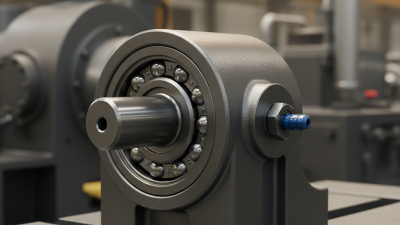
Pillow block bearings are essential components used in various machinery applications. They provide support, alignment, and stability to rotating shafts. These bearings come in various designs, making them suitable for diverse industries. They typically consist of a bearing mounted in a housing, providing a simple and effective solution for load support.
When choosing pillow block bearings, consider their specifications and intended use. Factors such as load capacity, temperature tolerance, and mounting options are crucial. Different environments may require different materials. For instance, some operations might need corrosion-resistant options. Each choice impacts performance and durability significantly, so take the time to understand your specific needs.
It's essential to acknowledge that even minor mistakes in selecting pillow block bearings can lead to machine malfunctions. Overlooking specifications or compatibility can result in costly downtime. Evaluating not only the immediate requirements but also long-term performance can lead to better reliability. When making your decision, be aware that the right choice today can save you from potential headaches tomorrow.
How to Determine Harga Pillow Block Bearing for Your Machinery Needs?
| Bearing Type |
Bore Diameter (mm) |
Outer Diameter (mm) |
Width (mm) |
Rated Load Capacity (kN) |
Price (USD) |
| UCP Series |
25 |
52 |
32 |
16.5 |
15.00 |
| Pillow Block 203 |
30 |
62 |
37 |
20.0 |
22.50 |
| Pillow Block 204 |
35 |
70 |
40 |
25.0 |
31.00 |
| Pillow Block 205 |
40 |
80 |
50 |
32.5 |
38.00 |
| Pillow Block 206 |
45 |
90 |
60 |
40.0 |
45.00 |
Factors Influencing the Price of Pillow Block Bearings
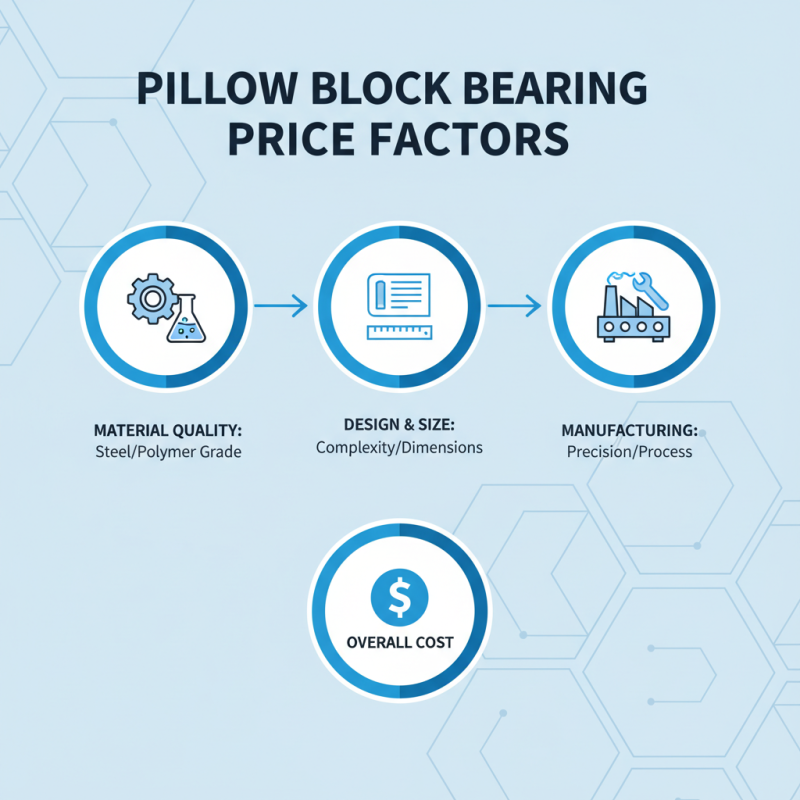
When determining the price of pillow block bearings, several key factors come into play. Material quality is essential; high-grade steel or polymer components will naturally cost more. The design and size of the bearing also impact pricing. Larger or more complex designs require more material and precision manufacturing. These attributes can significantly affect the overall cost.
Another crucial aspect is the bearing's load capacity. Bearings designed for high loads usually have a higher price tag due to the engineering and materials involved. Additionally, the environment in which the bearings operate, such as exposure to extreme temperatures or contaminants, also influences their price. Quality seals and lubrication options can add to initial costs but may enhance longevity and reduce maintenance needs.
Consideration of supplier reputation is key. Some suppliers offer better warranties and customer support, which can justify higher prices. Evaluating multiple options while keeping these details in mind helps ensure you choose the right pillow block bearing at a competitive price. Remember, investing in quality can save costs in equipment downtime and repair in the long run.
Measuring and Specifying Your Machinery Requirements
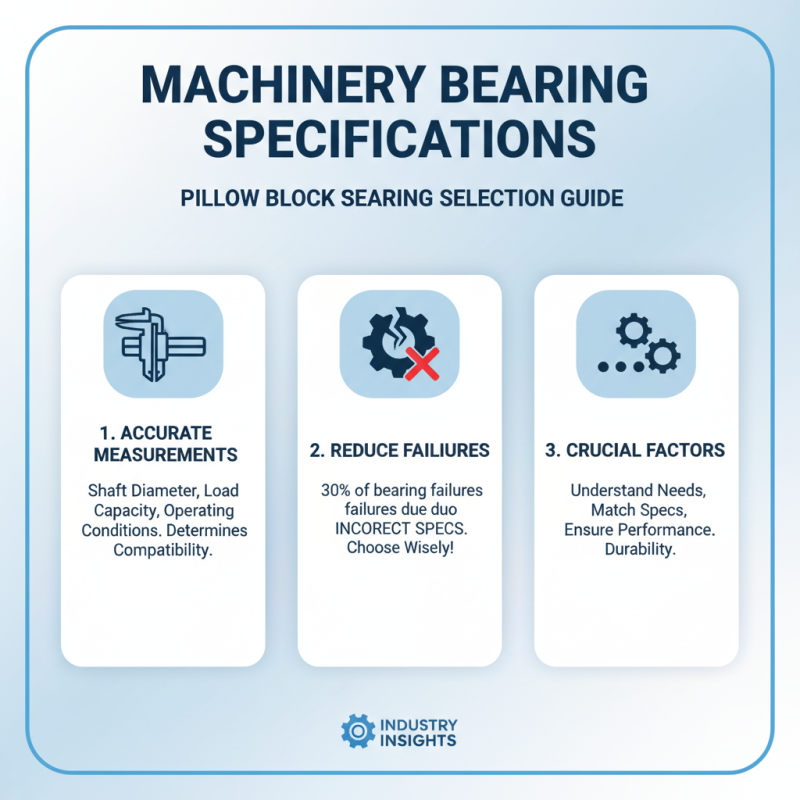
When selecting a pillow block bearing, understanding your machinery's specific needs is crucial. Accurate measurements determine compatibility and performance. According to industry reports, nearly 30% of bearing failures stem from incorrect specifications. Keep this in mind when measuring shaft diameter, load capacity, and operating conditions.
Start by assessing the working environment. Factors like temperature, humidity, and exposure to contaminants can impact bearing performance. For instance, a bearing in a high-dust environment may require a seal to prevent damage. Additionally, consider dynamic loads. The bearing must support not just static weight but also fluctuating forces during operation.
It's also vital to calculate the expected service life. The L10 life is a critical factor, indicating the number of hours 90% of a group of identical bearings will endure. Utilize this metric when making your purchase. A reliable source indicates that correctly specified bearings can extend service life by up to 40%. Remember that over- or under-specifying can lead to costly downtime. Effective planning is key to ensuring your machinery operates smoothly and efficiently.
Comparing Suppliers for Competitive Harga on Pillow Block Bearings
When considering the price of pillow block bearings, it’s crucial to compare suppliers meticulously. A recent industry report indicates that prices can vary by as much as 30% for similar quality products. This disparity arises from factors such as production volume, supplier relationship, and geographical location. Therefore, evaluating multiple quotes helps ensure you get the best harga.
It's important to look beyond just price. Quality plays a critical role, too. According to data from the Machinery and Equipment Manufacturers Association (MEMA), bearings made from premium materials can last 20-30% longer than cheaper alternatives. This longevity often outweighs the initial cost difference.
Another element to consider is the supplier's expertise. A knowledgeable supplier can offer insights into the best bearing for your machinery. They can guide you on the specifications needed for efficiency and reliability. This aspect can sometimes be overlooked in a price-focused approach. Balancing cost with quality and expertise is essential for making the right choice. It requires ongoing reflection, as the market is always changing.
Evaluating Quality vs. Cost in Pillow Block Bearing Selection
When selecting pillow block bearings for machinery, balancing quality and cost is crucial. Data from industry reports reveal that high-quality bearings can reduce machinery downtime. According to a recent analysis, companies that invest in premium bearings experience 15% less failure rates compared to those that opt for cheaper options.
However, the initial cost of quality bearings may raise concerns. A study from the Machinery Reliability Institute indicates that while premium bearings are approximately 20% more expensive upfront, their longevity can save 30% on total operational costs over five years. This discussion invites reflection on long-term benefits versus immediate expenses. Always consider the specific application of the bearings, as various environments and loads impact performance.
Choosing the right balance requires careful evaluation. Understanding your machinery's requirements can guide your decision-making. Sometimes, the cheapest option may not be the best for efficiency or reliability. Evaluating supplier credentials and past performance data is essential. This helps in making informed choices that lead to better machinery health and longer service life.
Price Comparison of Pillow Block Bearings Based on Quality Ratings