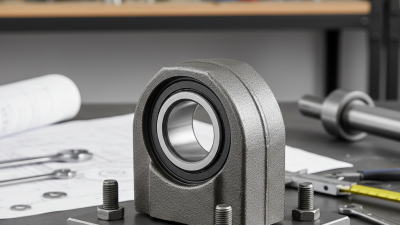
Top Tips for Housing Bearing Selection for Global Buyers?
Choosing the right housing bearing is crucial for global buyers. It affects the long-term performance of structures. A well-selected housing bearing ensures stability and durability in various environments. Buyers face unique challenges due to diverse regulations and market conditions. Each region may have different standards affecting bearing selection.
Understanding your specific needs is vital. Different types of housing bearings serve various purposes. For instance, high-load applications require robust options. Safety and efficiency should always lead the decision-making process. Not every option will suit all scenarios, underscoring the importance of research.
In summary, housing bearing selection should be well-informed. Mistakes can lead to costly repairs and failures. Therefore, approach this task with careful consideration and expertise. Seek knowledgeable suppliers who can offer insights tailored to your requirements. This will enhance reliability and performance in your projects.
Understanding Housing Bearing Types for Global Buyers
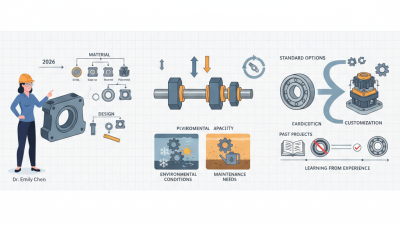
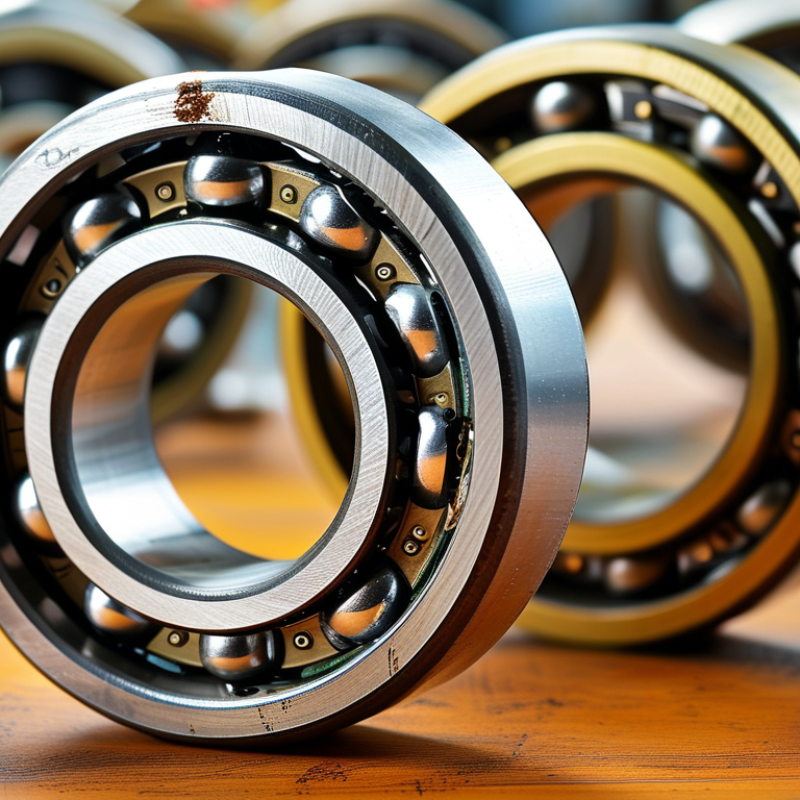
When selecting housing bearings, understanding the various types is crucial for global buyers. Housing bearings serve as essential components in machinery, offering support and facilitating movement. Buyers should familiarize themselves with the fundamental types: plain bearings, roller bearings, and ball bearings. Each type has specific applications and load capacities, which significantly affect performance and durability.
Plain bearings are simpler in design and ideal for low-speed applications. They require proper lubrication to minimize wear. Roller bearings can handle heavier loads and are better suited for higher speeds. Ball bearings, on the other hand, are versatile, excelling in both speed and load capacity. However, their complexity might lead to higher costs and maintenance needs.
In choosing the right bearing, buyers should consider the operating environment. Factors like temperature variations and moisture levels can impact bearing performance. Many buyers overlook these details, leading to premature failure. It’s beneficial to conduct thorough research and consult with experts to avoid costly mistakes. Evaluating the intended application and specific load requirements is essential for making an informed decision.
Key Factors to Consider in Bearing Selection
When selecting bearings, certain factors significantly influence the decision.
Load capacity is crucial, as it determines the bearing's ability to handle operational stresses.
An understanding of dynamic and static loads is essential. Operating conditions, such as temperature and moisture levels, must also be evaluated.
For instance, high temperatures might require specialized materials to ensure longevity.
Another important aspect is the bearing type. Different designs serve unique purposes.
Ball bearings typically offer lower friction and higher speed capabilities, while
roller bearings are better for heavy loads. The choice affects performance and efficiency.
Additionally, the precision of bearings influences overall machinery effectiveness.
High-precision bearings might lead to improved accuracy in applications.
Lastly, always consider maintenance requirements.
Some bearings demand regular lubrication and monitoring. Others are designed to be maintenance-free.
Balancing performance and upkeep can be tricky. Understand how often your machinery will be in use.
This insight can guide you towards the most suitable choice.
A mindful selection process prevents costly downtimes and enhances productivity.
Evaluating Quality and Performance Standards for Bearings
When selecting housing bearings, quality and performance standards are paramount.
The International Organization for Standardization (ISO) provides guidelines that are essential for evaluating these components.
ISO 9001 standards help ensure consistent quality in production processes.
Adhering to these standards can greatly enhance reliability and performance, crucial for global buyers.
Moreover, research shows that around 24% of bearing failures stem from poor quality materials.
It’s vital to scrutinize material properties and manufacturing processes. Look for certifications indicating high-quality steel and precise machining.
Bearings made from steel with better fatigue strength perform longer under stress.
Performance metrics are also critical. The bearing’s load capacity and speed rating should match your application requirements.
A study by the Bearing Industry Association noted that over 30% of applications underperform due to improper bearing selection.
This reinforces the need for thorough evaluation. Regular audits and performance reviews can prevent costly downtime and operational delays.
Assessing Cost vs. Value in Housing Bearings
When evaluating housing bearings, understanding cost versus value is crucial for global buyers. Many factors contribute to the overall expense, and not all deliver equal utility. It's vital to assess not just the price tag, but what you gain from the bearing's performance.
Consider these tips:
- **Research thoroughly**. Knowledge is power. Understanding material quality can lead to better purchases.
- **Balance costs**. A lower price might mean compromised durability. Think about long-term affordability.
- **Seek expert opinions**. Consult professionals or reliable sources to gain insights. Their experiences can save you time and money.
Reflect on your choices. Sometimes, a cheaper bearing may lead to frequent replacements. That can exceed the original savings. Weigh your priorities carefully, focusing on performance over initial cost. Quality may carry a higher upfront cost but can prove more economical in the long run.
Top Tips for Housing Bearing Selection for Global Buyers - Assessing Cost vs. Value in Housing Bearings
| Bearing Type |
Cost ($) |
Value Rating (1-10) |
Durability (Years) |
Typical Application |
| Ball Bearing |
15 |
8 |
5 |
General Purpose |
| Roller Bearing |
25 |
9 |
8 |
Heavy Load |
| Tapered Bearing |
35 |
7 |
10 |
Automotive |
| Spherical Bearing |
45 |
6 |
15 |
Construction Equipment |
| Magnetic Bearing |
100 |
10 |
20 |
High Precision |
Importance of Supplier Reputation and Support Services
Choosing the right housing bearings is crucial for global buyers. One often overlooked aspect is the reputation of the supplier. A supplier with a solid reputation can significantly influence your project's success. High-quality bearings are essential, but the support services available can make a difference in performance. Investigate reviews and case studies to gauge supplier reliability.
Another critical factor is the support services offered by suppliers. Effective communication and prompt technical assistance can save time and money. Some suppliers may promise low prices but lack adequate support. This can result in delays and additional costs later. Evaluate the availability of customer service and technical support before making a decision.
Personal experiences reveal that a reputable supplier's assistance can lead to smoother operations. Some buyers encountered challenges due to inadequate support. Reflecting on these experiences can guide future decisions. Consider not just the product, but also the support that comes with it. Supplier support is as important as the bearings themselves.