2026 Best Housing Bearing Solutions for Global Buyers?
In the rapidly evolving world of "Housing Bearing" solutions, global buyers face unique challenges. According to the latest report by Market Research Future, the housing bearing market is expected to grow at a CAGR of 5.4% from 2021 to 2026. This growth is driven by increasing demand in construction and infrastructure sectors. Experts believe that choosing the right housing bearing is crucial for performance and longevity.
John Smith, a leading expert in the housing bearing industry, emphasizes, "Investing in quality housing bearings significantly impacts the durability of structures." His insights reflect a growing consensus among industry leaders that the right solution can enhance efficiency while reducing long-term costs. However, many buyers still grapple with misconceptions and inadequate knowledge.
Navigating this market requires careful consideration of materials, specifications, and environmental conditions. The selection of housing bearing solutions isn't just a technical decision; it’s a strategic one. Buyers must confront the reality that not all solutions are suitable for every application. Making informed choices will ultimately lead to effective results.
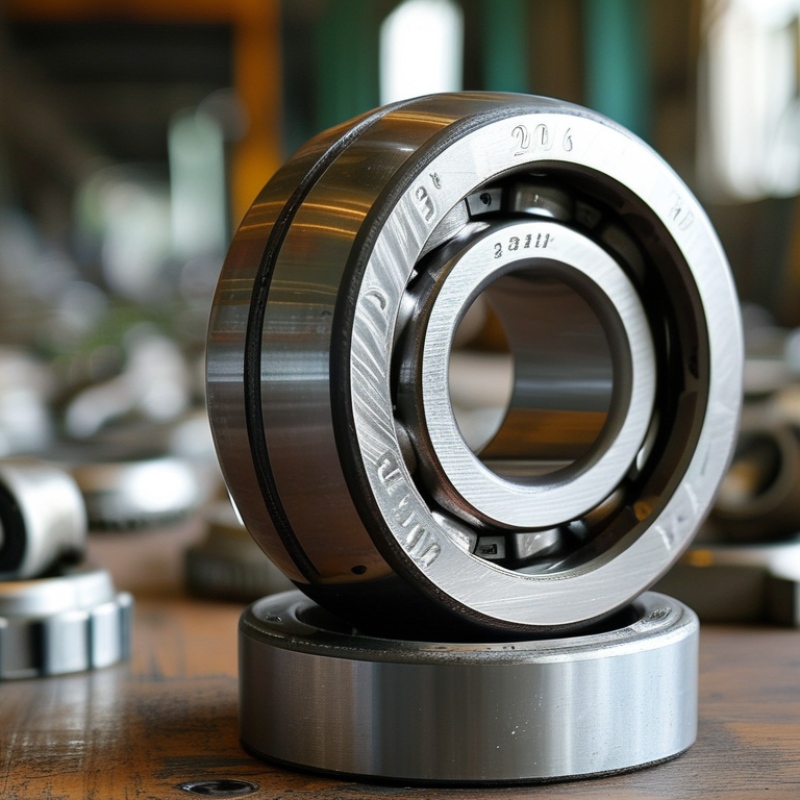
Overview of Housing Bearing Solutions Available in 2026
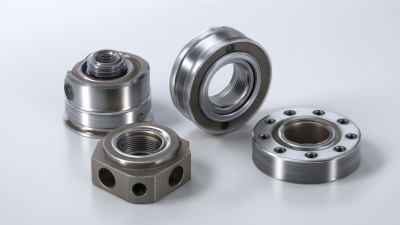
As we step into 2026, the housing bearing solutions market is evolving rapidly. Buyers now have a plethora of options that promise enhanced durability and efficiency. These solutions range from traditional ball bearings to advanced composite materials. Each type has its advantages and applications, addressing specific needs in the housing sector. For instance, lightweight materials are growing in popularity due to their ease of installation and maintenance.
Manufacturers are also focusing on eco-friendly options. Solutions made from recyclable materials are gaining traction among environmentally conscious consumers. However, not all innovative solutions meet the anticipated performance standards. Some may show wear sooner than expected, leading buyers to reassess their priorities in long-term investments.
Investing in housing bearings requires careful consideration of available data and expert reviews. It is essential to evaluate supplier credibility and product specifications. Without thorough research, buyers may face challenges that could have been avoided. Understanding the nuances of each option is crucial for making informed decisions in today’s dynamic market.
2026 Best Housing Bearing Solutions for Global Buyers
Key Features of the Best Housing Bearings for Global Buyers
When selecting housing bearings, several key features stand out for global buyers. Durability is paramount. Materials used should resist wear and corrosion. This ensures longevity and reliability, especially in challenging environments.
Another important feature is the smooth operation. Bearings must provide low friction and noise levels. This enhances efficiency and comfort. A compact design is also advantageous. It allows for easier integration into various systems, saving valuable space.
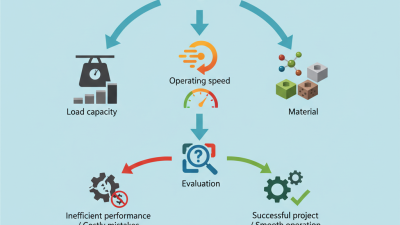
Buyers should consider load capacity, too. The bearing must handle specific weights without compromising performance. However, not all options meet these demands. It's essential to analyze data and feedback. Performance under stress should not be overlooked. Engaging with industry peers for insights can illuminate potential flaws, ensuring informed decisions.
Comparative Analysis of Leading Housing Bearing Brands
When choosing housing bearing solutions, a comparative analysis of leading brands can be enlightening. Different manufacturers offer unique features that prioritize various aspects like durability, noise reduction, and price. Evaluating these factors helps buyers make informed decisions based on their specific needs and environment.
It’s important to consider which material and design will best suit your installation. Some bearings are more suited for heavy loads, while others excel in vibrational dampening. Understanding the application can lead to better performance, reducing the likelihood of frequent replacements.
Tips: Always check user reviews for real-world experiences. Don't hesitate to ask suppliers about the longevity and maintenance of the products. Too often, buyers overlook the importance of proper installation. Even the best bearing might fail if not fitted correctly. Take your time to ensure you make the optimal choice for your project.
Innovative Technologies Shaping Housing Bearing Designs in 2026
Innovative technologies are dramatically reshaping housing bearing designs in 2026. One major trend is the integration of smart materials. These materials adapt to environmental changes, offering enhanced durability and performance. Reports indicate that the market for smart materials in construction is projected to reach $18 billion by 2026. This shift is driven by the need for energy efficiency and sustainable practices.
Another significant development is the use of 3D printing technology in housing. This method reduces construction time and waste, providing faster solutions for urban housing crises. Research shows that 3D printing can cut costs by up to 30%. However, it still faces challenges in scale and acceptance within traditional construction industries.
Moreover, advancements in sensors and IoT integration allow for real-time monitoring of structural health. These innovations enable homeowners to detect issues early, potentially saving thousands in repairs. However, reliance on technology raises concerns about data privacy and cybersecurity risks. As the industry moves forward, these challenges must be addressed to maximize the benefits of these remarkable innovations.
Market Trends and Consumer Preferences in Housing Bearings
As the housing market evolves, consumer preferences are shifting. Buyers are now more informed than ever. They seek solutions that ensure durability and efficiency but also align with sustainability goals. Energy-efficient housing bearings emerge as a top choice. These products not only reduce maintenance costs but also minimize environmental impact.
A closer look at market trends reveals an increasing inclination towards eco-friendly materials. Consumers often hesitate, however, as they weigh the initial investment against long-term savings. Preferences vary greatly based on location and community values. In urban settings, space-saving designs become essential, while rural buyers may prioritize sturdiness.
This shift in focus can lead to opportunities and challenges. Manufacturers must adapt quickly to stay relevant. However, excessive focus on trends may overlook essential quality factors. Balancing innovation with reliability remains a complex issue for the industry. Ultimately, understanding these dynamics is crucial in delivering the best housing bearing solutions for today's discerning buyers.
2026 Best Housing Bearing Solutions for Global Buyers
| Bearing Type |
Material |
Load Capacity (kg) |
Temperature Range (°C) |
Noise Level (dB) |
Market Preference (%) |
| Ball Bearings |
Steel |
1500 |
-20 to 120 |
32 |
45 |
| Roller Bearings |
Chrome Steel |
3000 |
-30 to 150 |
35 |
30 |
| Thrust Bearings |
Brass |
2000 |
-10 to 130 |
40 |
25 |
| Spherical Bearings |
Polymer |
1000 |
-40 to 100 |
28 |
60 |
| Magnetic Bearings |
Composite |
5000 |
-20 to 180 |
45 |
55 |