Why Choose Cast Steel Block Bearing for Your Industry Needs?
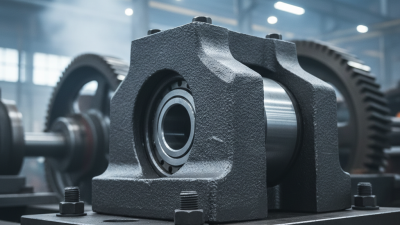
In the demanding world of industrial applications, reliability and performance are vital. Choosing the right components can significantly impact efficiency. The Cast Steel Block Bearing stands out in this regard. Designed for durability, this type of bearing offers exceptional strength and resistance to wear. Industries that require heavy machinery can greatly benefit from its robust design.
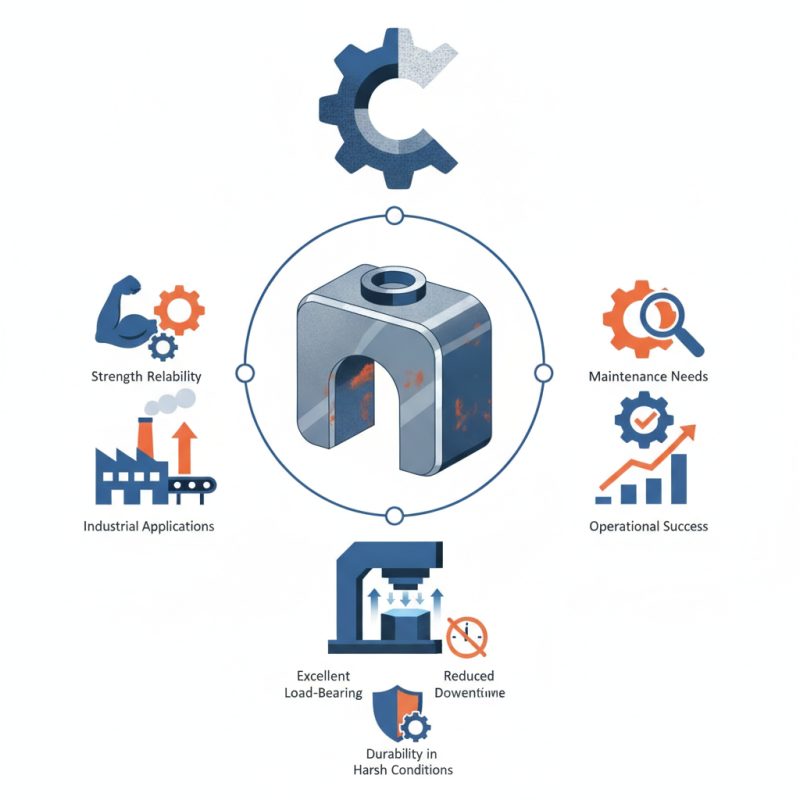
Cast Steel Block Bearings provide excellent load-bearing capabilities. They perform well in high-pressure environments, reducing downtime. Their steel construction ensures longevity, even in harsh conditions. However, users must consider maintenance needs. Regular inspections can prevent unexpected failures.
Ultimately, selecting the appropriate bearing impacts operational success. Investing in Cast Steel Block Bearings means prioritizing safety and reliability. It is essential for businesses aiming for excellence in their industry.
Benefits of Cast Steel Block Bearings in Heavy Machinery Applications
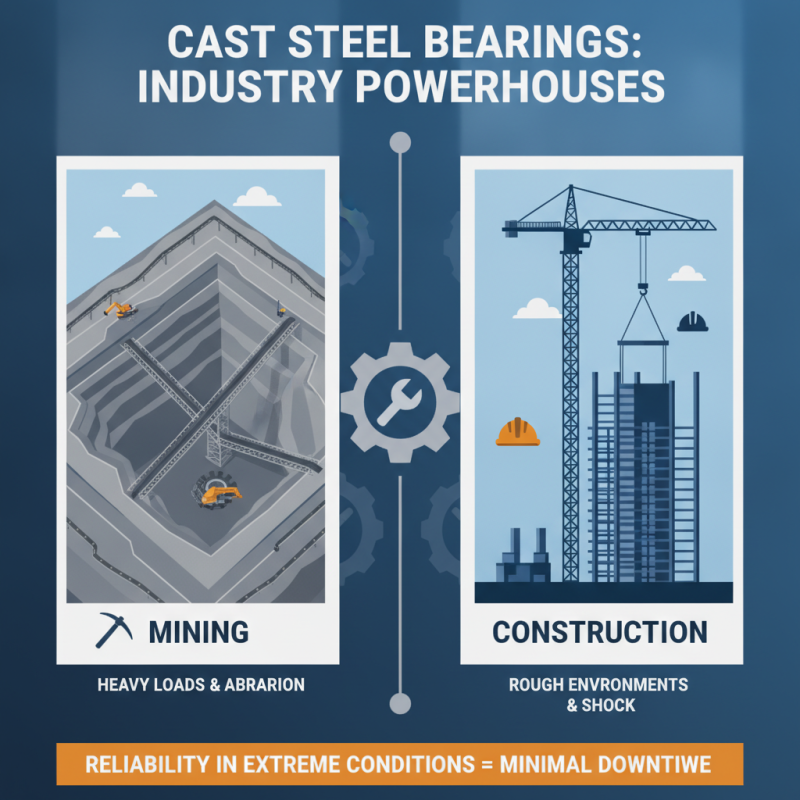
Cast steel block bearings are essential in heavy machinery applications. They offer high strength and durability, which is crucial for industries like construction and mining. According to the American Society of Mechanical Engineers (ASME), these bearings can withstand extreme loads and resist wear better than many alternatives. This makes them suitable in environments where machinery faces heavy stress.
The benefits extend beyond just durability. Cast steel bearings provide better shock absorption. This is vital when machinery operates under variable conditions. In a report by the Machinery and Equipment Manufacturers Association (MEMA), it was noted that using cast steel block bearings can improve the overall efficiency of heavy machinery by 15%. However, these bearings can be heavier than other materials, which might pose challenges in specific applications where weight is a concern.
Moreover, cast steel bearings are easier to install and maintain. Their design allows for quick replacement when necessary. Industry standards suggest that proactive maintenance can extend the life of these bearings significantly. However, geographical availability can affect sourcing. Some regions may have limited access, which can complicate procurement and lead to delays. It's essential to consider these factors when choosing the right bearing for your machinery needs.
Benefits of Cast Steel Block Bearings in Heavy Machinery Applications
Durability and Performance: Cast Steel vs. Other Bearing Materials
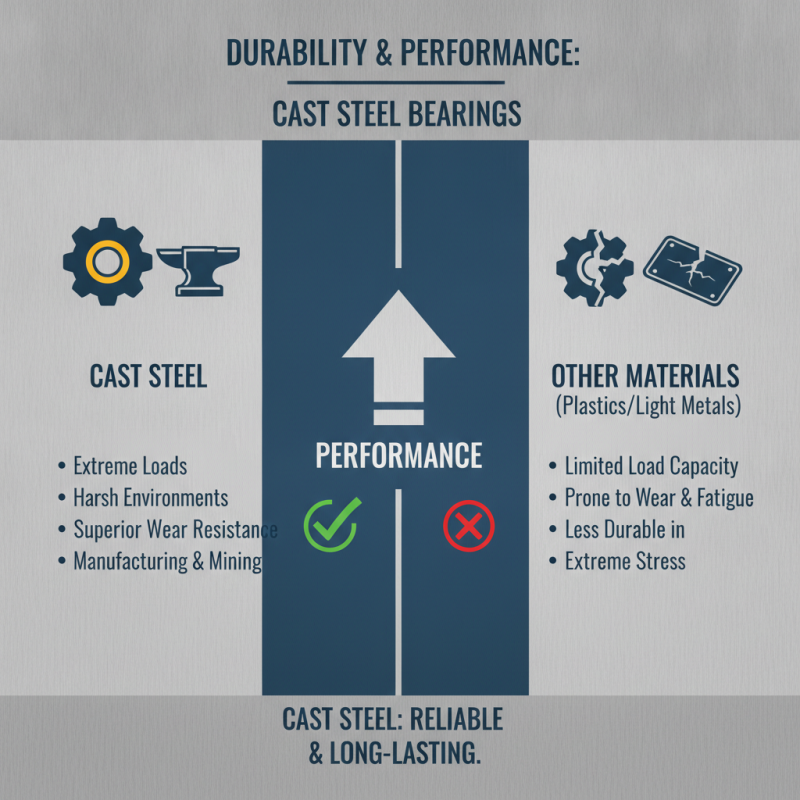
When it comes to choosing bearing materials, cast steel stands out for its exceptional durability and performance. Unlike traditional materials, cast steel can withstand extreme loads and harsh environments. This makes it a reliable option in industries like manufacturing and mining, where equipment faces significant stress. Many manufacturers find cast steel bearings outperform alternatives made from plastics or lighter metals, especially in wear resistance.
However, it’s essential to note that cast steel also has its challenges. The weight of cast steel bearings can be a disadvantage in applications where weight reduction is critical. Corrosion resistance may also not match that of specialized stainless steel options. Each application requires careful assessment. The ability to withstand high temperatures might be a flaw in some environmental conditions. Sometimes, considering long-term maintenance costs is more balanced than initial savings.
Investing in the right bearing material involves weighing pros and cons. While cast steel offers strength and longevity, it may not be the panacea for every industry need. A thorough understanding of specific operational requirements can guide choices better. It’s crucial to evaluate how material characteristics resonate with real-world application.
Cost-Effectiveness: Long-Term Savings with Cast Steel Bearings
When it comes to industrial applications, cost-effectiveness is a vital consideration.
Cast steel block bearings offer long-term savings that can significantly impact a company's bottom line.
According to a study from the International Journal of Industrial Engineering, using cast steel bearings can reduce maintenance costs by up to 30%.
This saving stems from their durability and resistance to wear.
The reliability of cast steel bearings is another important factor. They can withstand heavy loads and harsh environments without significant degradation.
Data from engineering research shows that these bearings have a service life that is 2 to 3 times longer than traditional alternatives.
However, some industries may overlook the initial investment costs, which can lead to missed opportunities for savings over time.
Industries must weigh the upfront costs against potential long-term benefits.
A comprehensive cost analysis reveals that while cast steel bearings may require a higher initial outlay,
the return on investment can be substantial. Regular monitoring is necessary to ensure optimal performance.
Companies need to assess their specific needs carefully.
This reflection can lead to informed decisions that enhance operational efficiency and ultimately drive profitability.
Maintenance and Longevity: How Cast Steel Bearings Minimize Downtime
Cast steel block bearings are essential in various industries due to their durability and reliability. These bearings minimize downtime by requiring less maintenance and offering longer lifespans. The robust nature of cast steel allows for resistance against wear and tear, making them suitable for demanding applications. Regular maintenance is still necessary, though. Overlooking it can lead to unexpected failures.
**Tips:** Regularly check lubrication levels. This prevents excessive friction, which can shorten the bearing's life. Schedule routine audits to catch potential issues early.
Implementing a proactive maintenance strategy can amplify the benefits of cast steel block bearings. For instance, monitoring heat generation can indicate abnormal wear. Keeping bearings clean is crucial too. Dust and debris can compromise performance, leading to costly interruptions.
**Tips:** Use filters to keep the environment clean. This simple step can increase the longevity of the bearings significantly. Train your team to recognize signs of wear and respond promptly to avoid larger issues. Taking these steps ensures that your operations run smoothly.