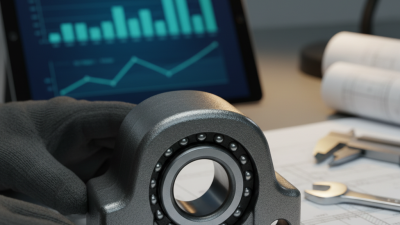
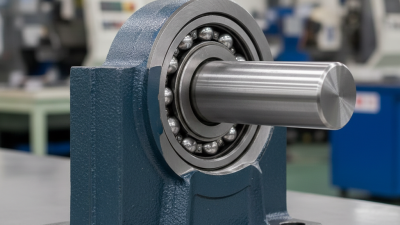
Top 10 Best High Speed Pillow Block Bearings for Optimal Performance?
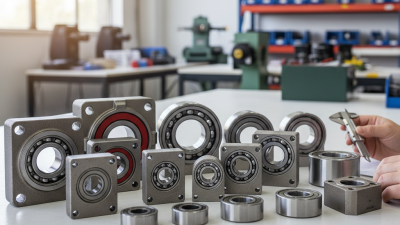
When it comes to high-performance machinery, the choice of components is crucial. High Speed Pillow Block Bearings are essential for smooth operation and efficiency. These bearings support rotating shafts and reduce friction, leading to better performance. Their design incorporates advanced materials and engineering, ensuring durability and reliability.
Selecting the right high speed pillow block bearings can significantly impact productivity. With so many options available, it can be overwhelming to find the best fit. Factors such as load capacity, speed ratings, and installation specifications must be considered. A poor choice may lead to equipment failure or increased maintenance costs.
It's vital to rely on trusted brands and expert recommendations. Conducting research is necessary to make informed decisions. Exploring various models can be daunting, but the benefits far outweigh the effort. High speed pillow block bearings represent a blend of innovation and necessity in modern machinery.
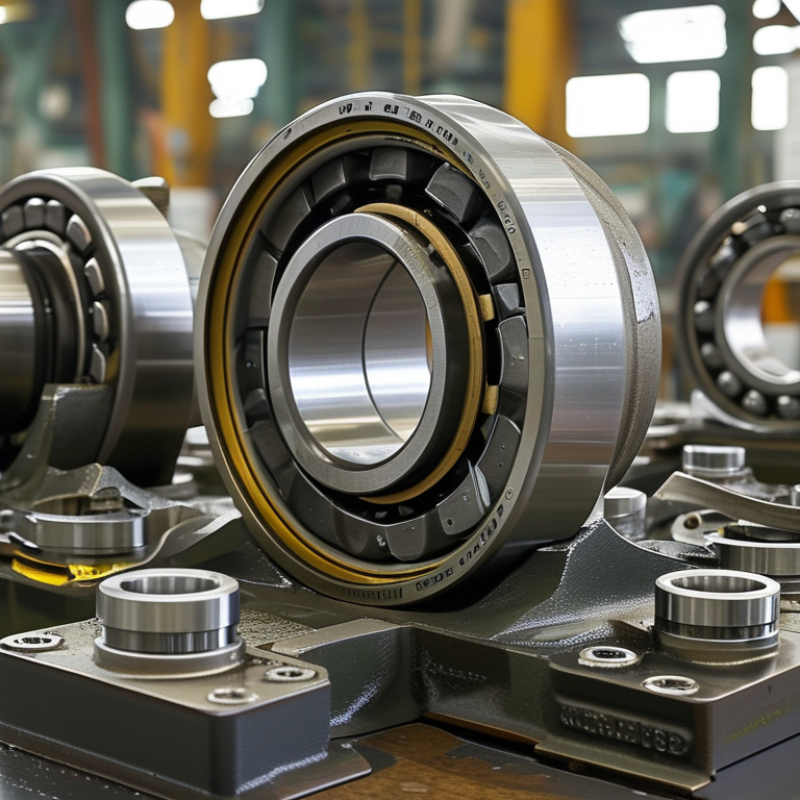
Overview of Pillow Block Bearings and Their Applications
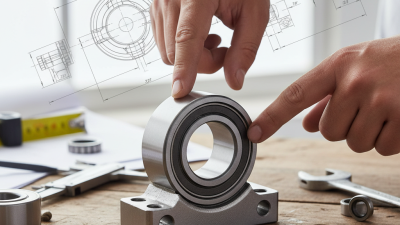
Pillow block bearings are essential components in various applications. They provide support for rotating shafts, ensuring smooth operation in machinery. These bearings consist of a mounting bracket and an inner bearing that houses the shaft. Their design allows for easy installation and maintenance.
In industrial settings, pillow block bearings are commonly used in conveyors, fans, and pumps. Their ability to handle misalignment and vibration is crucial. Proper lubrication is key to their longevity. Without it, these bearings can wear out quickly, leading to costly downtime.
Tips for maintaining pillow block bearings include regular inspections for wear and tear. Ensure the bearing is aligned properly. Misalignment can cause premature failure. Lubricate according to the manufacturer's guidelines, and watch for unusual sounds or vibrations.
While pillow block bearings are reliable, they are not infallible. Environmental factors can impact their performance. Dust, moisture, and extreme temperatures can accelerate wear. Understanding these challenges is vital for optimal performance.
Key Features to Consider When Selecting High-Speed Pillow Block Bearings
When selecting high-speed pillow block bearings, key features are vital. First, consider the material type. Bearings made from high-quality steel can handle extreme conditions. A well-chosen material impacts durability and performance. Look for bearings with a corrosion-resistant coating. This feature extends their lifespan, especially in harsh environments.
Next, examine the bearing's load capacity. Choose models designed to sustain both radial and axial loads. Higher load ratings ensure smooth operations under pressure. The size and fit are equally important. Accurate dimensions prevent unnecessary friction and wear. Incorrect sizing leads to frequent replacements and higher costs.
Tips: Regular maintenance is essential. Periodically check for wear or unusual noise. This helps identify problems early. Also, understand the operating environment. Factors like temperature and humidity affect bearing performance. Lastly, always consult professionals when in doubt. Their expertise can save you from costly errors or inefficiencies. Remember, choosing the right bearing can significantly enhance operational performance.
Top 10 Best High Speed Pillow Block Bearings Performance Comparison
Top Brands Known for High-Speed Pillow Block Bearings
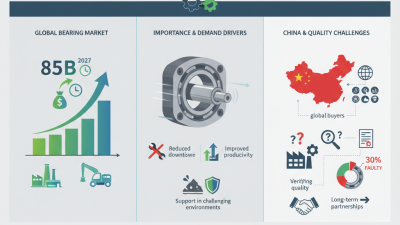
When discussing high-speed pillow block bearings, several brands emerge as leaders in the industry. These brands have established a reputation for producing reliable and durable products that enhance operational efficiency. A recent market report indicates that the global pillow block bearings market is expected to grow significantly, with a projected CAGR of around 5.4% from 2021 to 2028. This growth reflects the increasing demand for high-speed applications across various sectors, including manufacturing and robotics.
A key factor contributing to the success of these brands is their commitment to innovation. Industry experts highlight the importance of advanced materials and precision engineering in developing bearings that minimize friction and wear. For instance, utilizing high-grade steel and optimized designs can improve speed ratings by up to 20%. This technology leads to longer service life and ultimately reduces maintenance costs, a significant consideration for manufacturers.
Despite the advancements, there are challenges. Some manufacturers struggle with quality control, resulting in inconsistent product performance. Additionally, as the market grows, so does competition, making it essential for brands to continually enhance their offerings. Market analysis suggests that staying ahead relies heavily on R&D investments. This not only fortifies a brand's position but also addresses the evolving needs of high-speed applications.
Detailed Reviews of the Top 10 High-Speed Pillow Block Bearings
When it comes to high-speed applications, selecting the right pillow block bearing is crucial. These bearings support rotating shafts and manage heavy loads effectively. Their design must ensure minimal friction and heat generation during operation. A well-chosen bearing can lead to smoother machinery operation and extended equipment life.
Consider the materials used in these bearings. High-quality steel and ceramic are common choices that offer durability. The internal structures also play a role, with features like seals to prevent contaminants from entering. However, even with the best materials, factors like lubrication should not be overlooked. Regular maintenance is necessary to keep bearings operating at optimal performance.
It's important to evaluate each bearing's load capacity and speed rating carefully. This information determines suitability for specific tasks. Some bearings may excel at high speeds but struggle under heavy loads. User reviews and expert insights can provide valuable guidance, allowing for a more informed decision. Balancing performance features against operational needs is always a challenge, yet it leads to a more reliable bearing selection.
Maintenance Tips for Optimal Performance of Pillow Block Bearings
Pillow block bearings play a crucial role in machinery performance. Proper maintenance is key to ensuring their longevity and efficiency. Regular inspections are essential. According to industry reports, a significant percentage of bearing failures can be traced back to inadequate lubrication. It is vital to check the lubrication system frequently. Using the right lubricant can save time and costs in the long run.
Cleaning the housing and the bearings themselves is another important step. Dirt and debris can cause wear and tear. A weekly inspection can help catch potential issues early. Consider using a soft brush or cloth for cleaning. This process not only preserves functionality but also extends the lifespan of the bearings.
Monitoring temperature and vibration levels can provide insights into performance. Unusual readings may indicate underlying problems. Aim for temperature checks every month. This can prevent unexpected downtime. Remember, a proactive approach is more effective than reactive maintenance. Regular training for staff on these practices is essential. Always prioritize a thorough understanding of each component for the best outcomes.
Top 10 Best High Speed Pillow Block Bearings for Optimal Performance
| Bearing Model |
Load Capacity (kg) |
Speed Rating (RPM) |
Material |
Temperature Range (°C) |
| Pillow Block A |
500 |
4000 |
Steel |
-20 to 100 |
| Pillow Block B |
600 |
3000 |
Stainless Steel |
-20 to 120 |
| Pillow Block C |
550 |
3500 |
Bronze |
-10 to 90 |
| Pillow Block D |
700 |
2800 |
Polymer |
-30 to 80 |
| Pillow Block E |
400 |
6000 |
Aluminum |
-15 to 95 |
| Pillow Block F |
800 |
2500 |
Carbon Steel |
-25 to 110 |
| Pillow Block G |
650 |
3200 |
Nickel Coated |
-20 to 105 |
| Pillow Block H |
720 |
2700 |
Zinc Alloy |
-15 to 85 |
| Pillow Block I |
480 |
3700 |
Cast Iron |
-10 to 100 |
| Pillow Block J |
750 |
3300 |
Plastic Composites |
-30 to 120 |