2026 How to Choose the Right Pillow Block Bearing Types?
When it comes to machinery and equipment, choosing the right Pillow Block Bearing Types is crucial. Mark Thompson, a leading expert in this field, once stated, "Selecting the proper pillow block bearing can enhance performance and lifespan." This underscores the importance of making informed decisions during selection.
Understanding Pillow Block Bearing Types can be overwhelming. However, it is essential for optimal performance. These bearings support rotating shafts, and their correct choice affects overall machinery efficiency. The market offers various types, each suited for specific applications. This variety can lead to confusion, and poor choices can result in increased maintenance costs.
Consider the operating conditions and specific applications. Analyze load capacities, speeds, and environmental factors. Failure to select the right bearing can lead to premature wear and unexpected failures. Reflection on past choices can enhance future decisions. Careful consideration in this area can lead to improved outcomes in performance and reliability.
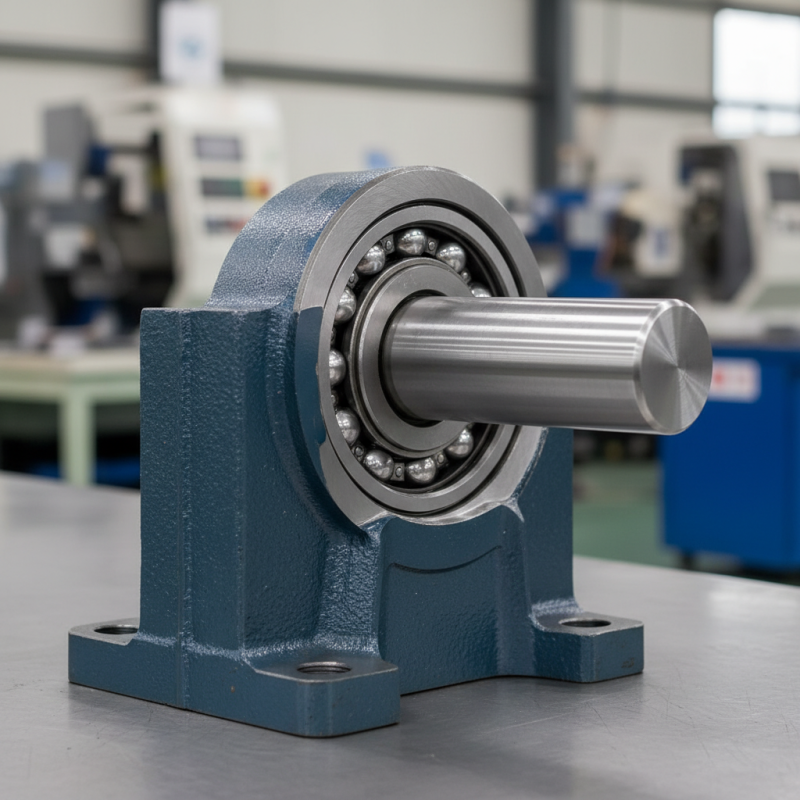
Understanding Pillow Block Bearings and Their Importance
Pillow block bearings play a crucial role in various industrial applications. They provide support to rotating shafts while allowing for movement. Understanding the specifications of these bearings can enhance machinery performance and longevity. According to a recent report, the global demand for pillow block bearings is expected to grow at a CAGR of over 5% from 2022 to 2027. This underscores their importance in manufacturing and maintenance sectors.
One essential factor is load capacity. The right pillow block bearing must withstand the specific loads of your application. For instance, heavy machinery may demand bearings capable of supporting loads exceeding 25,000 pounds. Choosing inadequately rated bearings can lead to premature failure, resulting in costly downtime.
Another critical consideration is material selection. Common materials include cast iron, steel, and thermoplastics. Each material has its strengths and weaknesses. Cast iron offers durability but can be brittle. Thermoplastics resist corrosion effectively yet might not handle heavy loads. Reflecting on these factors is key to making informed decisions. Adapting your choices based on the operational environment can significantly impact performance and reliability.
Types of Pillow Block Bearings: A Comprehensive Overview
Pillow block bearings are vital components used in various mechanical systems. Their primary function is to provide support for rotating shafts and facilitate smooth motion. Choosing the right type can significantly impact performance and longevity. Various types serve different applications, each with its unique characteristics.
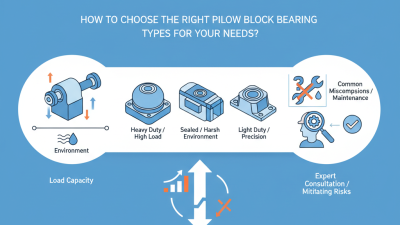
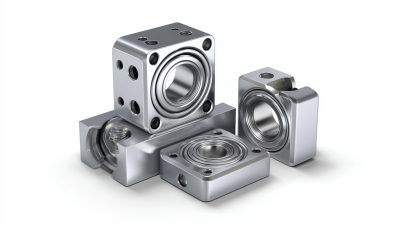
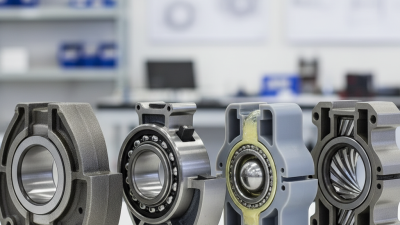
There are several designs of pillow block bearings. The most common include round, square, and oval shapes. Each type varies in load capacity and mounting configuration. For example, the round designs often fit well in tight spaces, providing efficient support. Conversely, square pillow blocks offer greater stability in larger installations.
It is crucial to consider environmental factors. Some bearings are better suited for extreme temperatures or heavy loads. Corrosive environments can also dictate the choice of materials. The right selection ensures optimal functionality and reduces maintenance needs. However, knowing the precise conditions can be challenging. Users must often balance efficiency with occasional limitations in design or application.
Types of Pillow Block Bearings Usage
Key Factors to Consider When Selecting Pillow Block Bearings
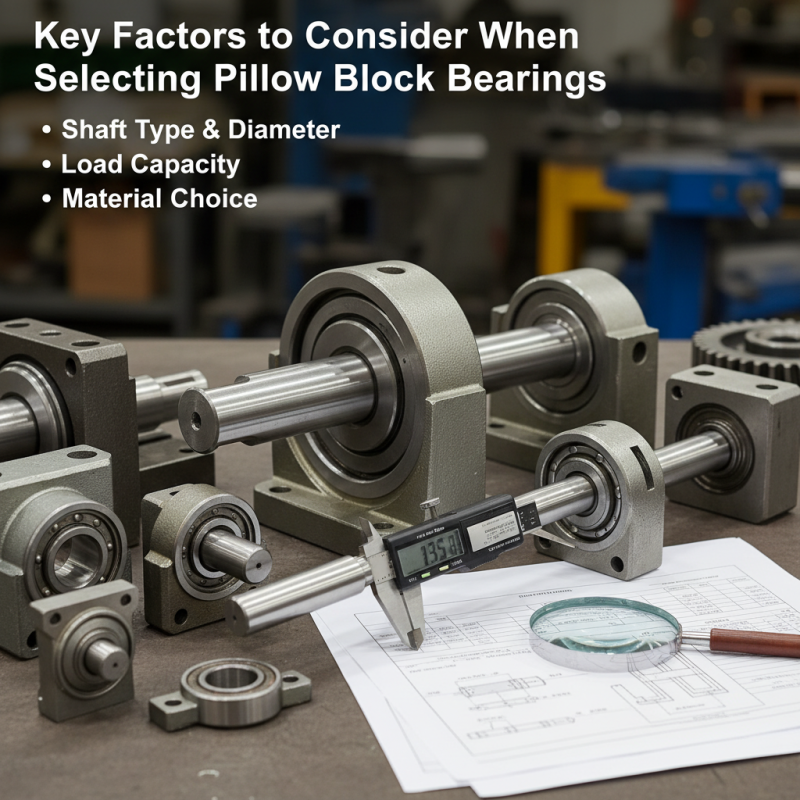
When selecting pillow block bearings, one must consider several key factors. The type of shaft and load capacity are crucial. Determine the shaft diameter and the weight they will carry. This helps narrow down the appropriate bearing type. Material choice also plays a significant role. For example, metallic bearings provide durability, while plastic ones offer corrosion resistance.
Another important aspect is the operating environment. Factors like temperature and exposure to chemicals can affect bearing performance. Different seal types help prevent contamination, enhancing longevity. Keep in mind that all bearings have specific load ratings. Matching these with your application is essential, though it can be challenging.
Don’t overlook maintenance requirements, either. Some bearings need regular lubrication and monitoring. Neglecting this can lead to premature failure. Reflecting on the application’s specific needs improves decision-making. The right pillow block bearing optimizes performance, but one wrong choice can disrupt operations.
Comparison of Material and Design Options for Pillow Block Bearings
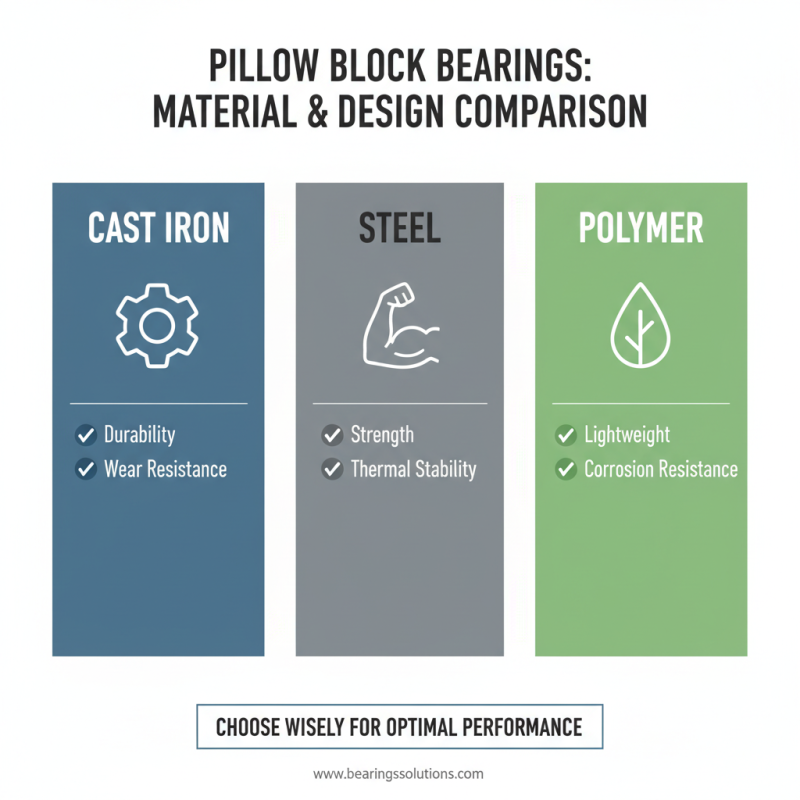
Choosing the right pillow block bearing involves careful consideration of material and design options. Common materials include cast iron, steel, and polymer. Each material offers distinct advantages. Cast iron is durable and resistant to wear. Steel provides strength and thermal stability. Polymer bearings are lightweight and resistant to corrosion.
When selecting a design, look at the housing style. Flanged or straight designs can impact mounting options. A flanged design is ideal for compact spaces, while straight designs are better for higher loads. Pay attention to seal types, too. Seals prevent contamination but can alter performance.
**Tips:** Always consider the installation environment. Harsh conditions may necessitate protective features. Review load capacities carefully. Overestimating loads can lead to premature failure. Be aware of lubrication needs; neglect can cause significant wear. Look for designs that facilitate easy maintenance to extend the bearing life.
Applications and Performance Considerations for Pillow Block Bearings
Pillow block bearings play a crucial role in various applications. They are widely used in industrial machinery, agricultural equipment, and material handling systems. According to industry reports, the global pillow block bearing market is projected to grow at a CAGR of 5.3% by 2026. This growth reflects their increasing demand for durability and efficiency in operations.
When selecting the right pillow block bearing, several performance considerations are essential. Load capacity is paramount. A heavy-duty application requires bearings that can withstand significant weight. The material of the bearing also affects performance. For example, bearings made of high-grade steel can offer longer service life compared to standard options. Moreover, environmental conditions should not be overlooked; bearings exposed to dust or moisture must have adequate sealing to prevent damage.
In practice, many users underestimate the maintenance needs of pillow block bearings. Regular inspections can help identify wear or misalignment issues that could lead to failures. It's also vital to consider the installation process. A poorly mounted bearing can lead to reduced performance and unexpected downtime. Educating maintenance teams on best practices can enhance the longevity and reliability of these components.