Essential Guide to Pillow Block Bearing Types for Buyers?
In the world of machinery and engineering, understanding “Pillow Block Bearing Types” is crucial for optimal performance. Industry expert John Smith, a mechanical engineer with over 20 years of experience, emphasizes, “Choosing the right pillow block bearing can make or break your equipment efficiency.” His insight highlights the importance of selecting the appropriate bearing type for various applications.
Pillow block bearings provide support for rotating shafts, enhancing alignment and reducing friction. However, not all pillow block bearing types are created equal. Different materials and designs cater to specific needs. For instance, those used in heavy machinery may require robust construction to withstand significant loads. This complexity can lead to confusion for buyers.
Many individuals overlook the nuances between pillow block bearing types. This can lead to premature equipment failure. Understanding specifications is essential for making informed decisions. Reflecting on this, one must question whether they are prioritizing quality or cost-effectiveness when selecting bearings. This choice has lasting implications for performance and reliability.
Overview of Pillow Block Bearings and Their Importance
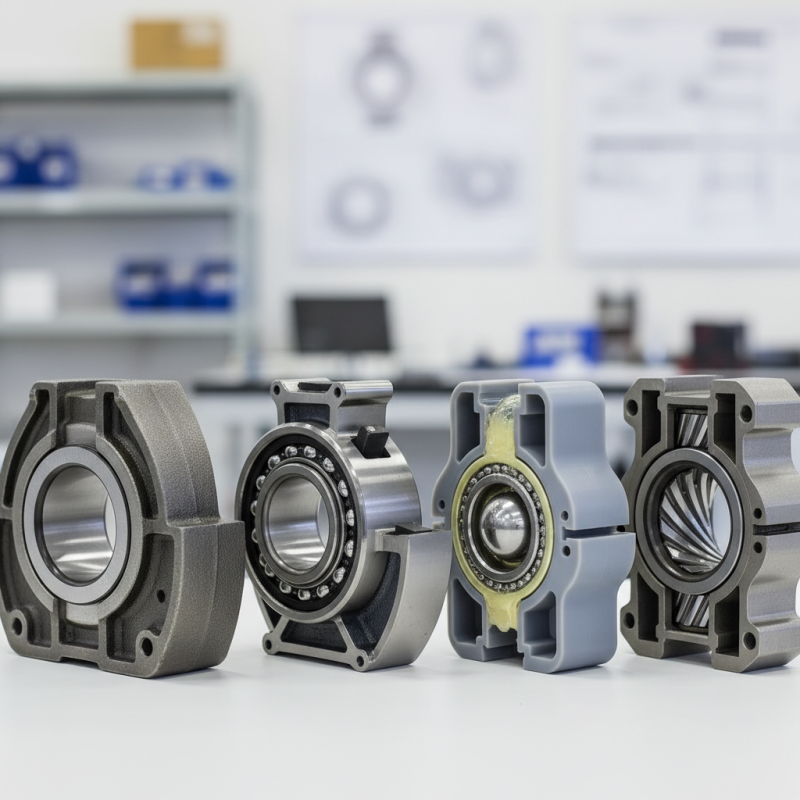
Pillow block bearings play a crucial role in various mechanical applications. They provide support for rotating shafts, facilitating smooth motion and reducing friction. These components are essential in industries such as manufacturing, agriculture, and automotive. The importance of maintaining proper alignment in these bearings cannot be overstated. Misalignments can lead to premature wear and costly failures.
Selecting the right pillow block bearing can be challenging. Buyers must consider factors like load capacity and operating conditions. Not all bearings are created equal. Different designs serve specific purposes. For example, some may withstand high temperatures, while others require lubrication to function optimally. It's critical to assess your needs accurately. Neglecting this can lead to significant operational disruptions.
In discussions about pillow block bearings, the choice of material also emerges. Cast iron and polymer are common options. Each has advantages and disadvantages that buyers should weigh carefully. Some bearings may not be suitable for high-stress environments. Understanding these details ensures reliability in your equipment. Always consider your particular application. It's easy to overlook these nuances, yet they are vital for long-term performance.
Types of Pillow Block Bearings: A Comparison of Common Varieties
Pillow block bearings are essential in various applications. Their types differ based on design, load capacity, and installation requirements. A common choice is the spherical roller bearing pillow block. This type handles heavy loads and allows for misalignment. According to industry surveys, they account for about 35% of the market due to their robustness.
Another variety is the inserted ball bearing pillow block. These are often favored for their simple installation and lower maintenance needs. Market studies show this type holds approximately 25% of the market share. They offer ease of replacement and versatility across different machinery. However, they may not perform as well under extreme conditions.
There’s also the tapered roller bearing pillow block. Designed to accommodate both radial and axial loads, they provide exceptional stability. This model is gaining traction, especially in high-performance machinery. While they are effective, they require precise alignment, which can pose installation challenges. Each type has its strengths and weaknesses, making it vital for buyers to assess their specific needs before choosing.
Key Features to Consider When Choosing Pillow Block Bearings
When selecting pillow block bearings, understanding key features is essential. These bearings safeguard shafts from contamination and misalignment. A few elements can significantly impact their performance and durability.
Material choice is crucial. Pillow block bearings come in various materials, including cast iron and plastic. Cast iron offers exceptional strength but may corrode if exposed to moisture. On the other hand, plastic provides corrosion resistance but lacks strength. Evaluate the environment where the bearings will operate.
Another important feature is mounting options. Some pillow block bearings have different mounting styles to suit various setups. Pay attention to alignment. Poorly aligned bearings can lead to premature failure.
**Tips:** Consider the load capacity and speed ratings. Ensure the bearing can handle the anticipated loads. Analyze the operational speed to avoid overheating. Regularly inspect them for wear and tear, as even minor issues can escalate quickly.
Essential Guide to Pillow Block Bearing Types - Key Features Overview
Applications and Industries That Use Pillow Block Bearings
Pillow block bearings are crucial in various industries. They are commonly used in manufacturing, agriculture, and even in automotive applications. Their main function is to support rotating shafts while allowing for movement along the shaft’s axis. This makes them invaluable where heavy loads and rotational forces are present.
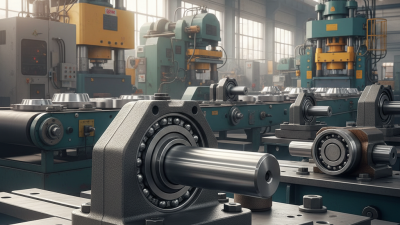
In the manufacturing sector, pillow block bearings can be found in conveyor systems. They help ensure smooth movement of materials, reducing wear and tear. In agriculture, these bearings are used in machinery such as tractors and harvesters. They provide reliability and durability in challenging environments. In the automotive field, they support rotating components, contributing to overall vehicle performance.
**Tips:** Selecting the right pillow block bearing type depends on the specific application. Consider factors like load capacity and environmental conditions. A mismatch could lead to frequent breakdowns or reduced efficiency.
Another aspect to keep in mind is maintenance. Regular checks can prevent unexpected failures. However, many overlook this crucial step. Incorporating a preventive maintenance schedule can significantly extend the life of these components. It's often easy to assume that failure won't happen, but being proactive is key.
Maintenance Tips for Prolonging the Life of Pillow Block Bearings
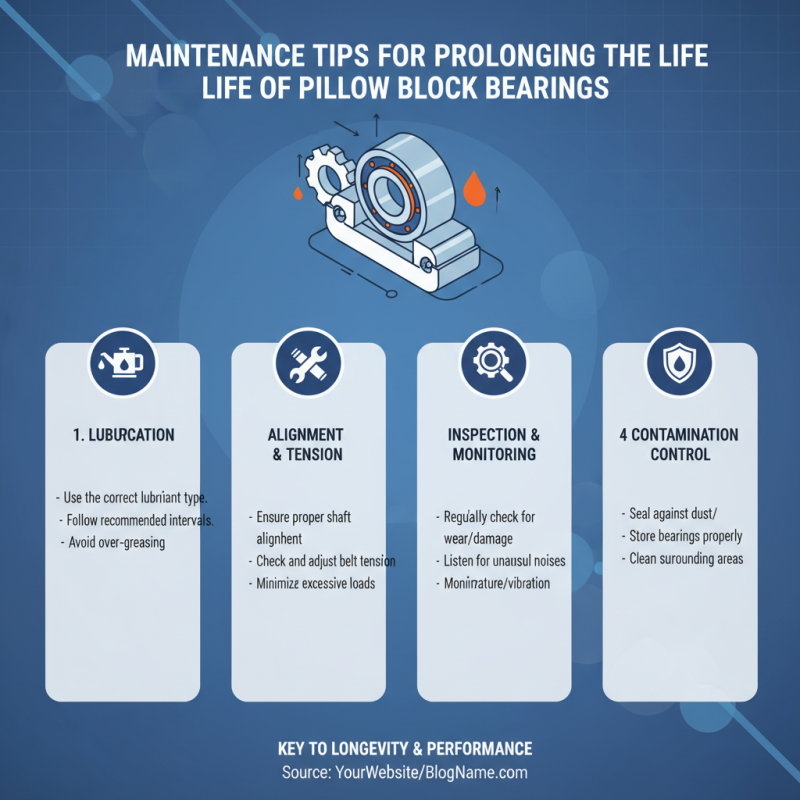
Pillow block bearings are crucial in various applications, but maintaining them is key to their longevity. Regular maintenance can significantly enhance their performance and lifespan.
Firstly, ensure that these bearings are properly aligned. Misalignment leads to uneven wear and tear, resulting in premature failure. Regular checks can help you catch misalignment early. Always inspect the lubrication levels. Insufficient lubrication can cause overheating and damage. Using the right lubricant is equally important.
Another tip involves checking for signs of wear or rust. Small issues can escalate if overlooked. Noise during operation can indicate underlying problems. Address these signs promptly to avoid costly repairs. Keep the surrounding area clean, as dirt and debris can adversely impact performance.
Incorporating these maintenance practices will aid in prolonging the life of pillow block bearings. Consistency is vital. Small, regular checks are often better than infrequent in-depth inspections.