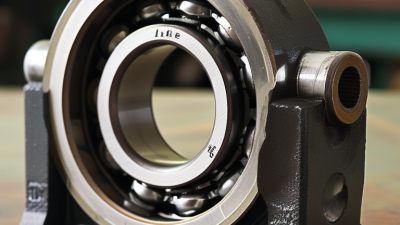
How to Choose the Right 8mm Pillow Block Bearing
Choosing the right 8mm Pillow Block Bearing is less about picking the smallest housing and more about matching the unit to its working conditions. The 8 mm measurement usually describes the shaft bore, but it does not tell you the bearing’s load capacity, speed limit, or resistance to contamination. Check the shaft diameter, available mounting space, expected radial load, and operating environment before comparing products. A dusty workshop, for example, can demand better sealing than a clean indoor test rig.
Professional guidance helps make those comparisons less guesswork-driven. ISO 281:2007 provides the standard method for calculating rolling-bearing rating life; its basic rating life, L10, corresponds to 90% reliability under stated conditions. This is a useful benchmark, not a promise that every installed unit will last that long. SKF’s Rolling Bearings Catalogue also explains how load, lubrication, alignment, and operating conditions influence bearing performance. Fit is not everything. A rigid housing mounted on an uneven surface can still cause trouble.
When choosing an 8mm Pillow Block Bearing, compare housing material, insert type, locking method, seal design, and manufacturer load data. Set-screw inserts are common for straightforward shaft mounting, while other locking arrangements may suit different vibration or maintenance needs. Confirm that published ratings match the intended use, rather than comparing numbers without context. Small parts matter. And there is a practical caveat: real installations rarely behave exactly like catalogue examples. A careful selection reduces avoidable wear, but inspection and correct installation remain essential.
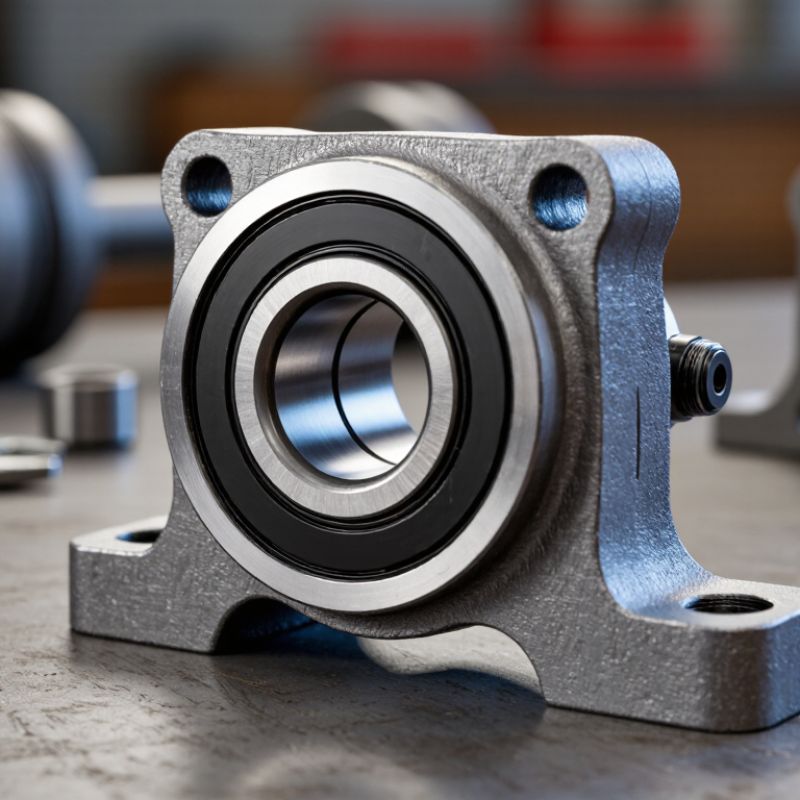
Understanding the Structure and Function of an 8mm Pillow Block Bearing
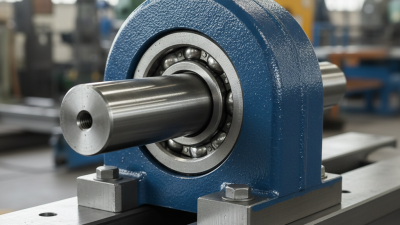
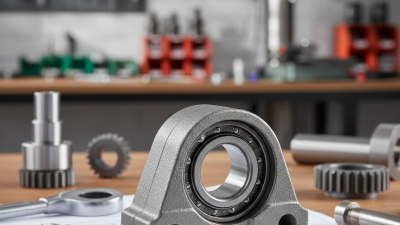
An 8mm pillow block bearing combines a bearing insert with a bolted housing. The 8mm measurement refers to the shaft bore, not the housing width. The insert supports a rotating shaft, while the housing transfers radial loads to a frame or machine bed. Inside, rolling elements move between inner and outer races. A seal helps retain lubricant and limit dust entry.
Small parts, real consequences.
The housing’s mounting holes keep the shaft supported, but alignment still matters. A shaft that binds or vibrates can shorten bearing life. Check the shaft fit, mounting surface, and lubrication before installation. Some inserts allow limited self-alignment; they cannot correct a bent shaft.
ISO 281:2007 defines basic rating life as L10, expressed in millions of revolutions. For ball bearings, its calculation uses the cube of the dynamic load rating divided by equivalent load:
L10 = (C/P)³
This estimate corresponds to 90% reliability under stated conditions, not a promise of service life in every machine. Dust, shock loads, poor lubrication, and installation errors can change the result. The calculation is useful, but it leaves out plenty of workshop reality.
Matching the Bearing to Shaft Size and Operating Conditions
An 8mm pillow block bearing is sized for an 8mm shaft, but nominal diameter alone is not enough. Measure the shaft at several points with a caliper; wear, burrs, or a slight taper can prevent the insert from seating evenly. Check how the bearing locks to the shaft, too. Set screws need a firm, accessible contact area, while other locking styles may require different shaft preparation. Never hammer the shaft into place.
Match the bearing to the actual operating conditions. Estimate radial load, shaft speed, running hours, and nearby heat or moisture, then compare these with the bearing’s rated limits and sealing details. A dusty workshop or occasional water splash calls for different protection than a clean, dry enclosure. Check the mounting surface for flatness and align the shaft before tightening the base bolts. Even a small misalignment can add noise and wear. It is easy to focus on the bore and overlook the housing or lubrication requirements.
Tips: Leave room for tool access to the locking screws. Recheck alignment after tightening; it can shift slightly. If the duty cycle is uncertain, verify the selection against the supplier’s technical data.
Comparing Housing Materials, Bearing Types, and Sealing Options
An 8mm pillow block bearing is sized for an 8mm shaft, but that measurement alone does not determine a good fit.
Check the shaft tolerance, expected load, speed, and mounting space before choosing a housing. Aluminum housings are light and resist corrosion in many indoor settings. Zinc-alloy options can suit compact, moderate-duty assemblies. Cast iron is heavier, but may offer greater rigidity where vibration or sustained loads matter. Material choice affects the whole mount, not just its weight.
Bearing design matters too.
A set-screw insert is straightforward to install and can hold securely on a prepared shaft surface. An eccentric locking collar can provide a firm grip without relying on opposing screws. Neither is ideal for every setup. Frequent reversing motion, for example, may call for a different retention approach. Check the maker’s load and speed ratings; I have seen small assemblies fail early when these details were treated as afterthoughts. Easy to miss.
Sealing should match the surroundings.
Metal shields reduce entry of larger particles while allowing lower friction than many contact seals. Rubber contact seals offer stronger protection from dust and light splashes, though they may add drag. For clean, dry equipment, shields may be adequate. Near coolant mist or fine debris, sealed bearings are often the safer choice, but no seal makes a unit maintenance-free. Verify the seal type and clearance, then inspect it after installation. The compromise is real.
Checking Load Capacity, Alignment, and Mounting Requirements
An 8 mm bore does not tell you how much load a pillow block can carry. Check the bearing’s dynamic load rating, static rating, and the forces expected during operation. ISO 281 calculates basic rating life for ball bearings using L10 = (C/P)³ million revolutions, where C is the basic dynamic load rating and P is the equivalent dynamic load. L10 represents a life that 90% of a sufficiently large group of identical bearings is expected to reach or exceed under stated conditions. It is a useful comparison, not a service-life promise. Shock loads and poor lubrication can change the result.
Alignment matters just as much. A shaft that enters the housing at an angle can create edge loading, heat, and early wear. Check the shaft diameter, mounting surface, and allowable misalignment in the bearing-unit specifications. Keep the base flat and rigid; even a thin burr beneath one foot can tilt the housing. Small detail. Tighten the fasteners evenly, then rotate the shaft by hand before applying power. If it binds, stop and inspect the setup.
Do not assume the mounting holes guarantee correct alignment. Measure the shaft at the bearing position, and check that the supports share a common centerline. ISO 281’s calculation cannot account for every installation flaw. That limitation is easy to overlook. Recheck alignment after tightening, especially on a flexible frame, and record any unusual vibration or temperature during a short test run.
Verifying Dimensions, Compatibility, and Quality Before Purchase
An 8 mm bore is only the starting point. Measure the shaft with a caliper, then check the bearing’s inner diameter, housing height, base length, and bolt-hole spacing against the product drawing. A snug shaft fit matters; so does room for the housing and fasteners. Small mismatch, big wobble. I would also check whether the unit uses set screws or a clamping collar, since the locking method must suit the shaft and expected vibration.
Quality checks should go beyond a polished surface. Look for clear material, load, lubrication, and tolerance specifications, plus consistent markings and smooth rotation without gritty spots. ISO 492:2023 defines tolerance values for radial bearings, giving buyers a reference for dimensional accuracy. Still, a stated tolerance does not prove that every assembled pillow block will align correctly. Verify the actual drawing and, where possible, inspect a sample.
Compatibility includes operating load and speed, not just fit. ISO 281:2007 defines basic rating life using an L10 basis: 90% of a sufficiently large group of identical bearings is expected to reach or exceed the calculated life under stated conditions. It is not a promise for one installation. Dust, poor alignment, and insufficient lubrication can shorten service life, so I would rather check the operating environment twice than trust a catalogue match alone.