What is a Pillow Block Bearing Housing and How Does It Work?
The Pillow Block Bearing Housing is a crucial component in modern machinery. This device supports rotating shafts and allows for smooth operation. As industry expert Dr. Sarah Thompson states, “A properly functioning Pillow Block Bearing Housing can extend the life of your machinery.”
The design of a Pillow Block Bearing Housing facilitates alignment and ease of maintenance. However, selecting the right housing type can be challenging. Many factors affect performance, such as load capacity and mounting options. Improper installation can lead to premature wear.
Understanding the intricacies of Pillow Block Bearing Housing helps prevent issues. It combines durability and functionality in a compact form. While research can guide choices, practical experience plays a significant role. Therefore, professionals must consider both technical specifications and real-world applications.
What is a Pillow Block Bearing Housing?
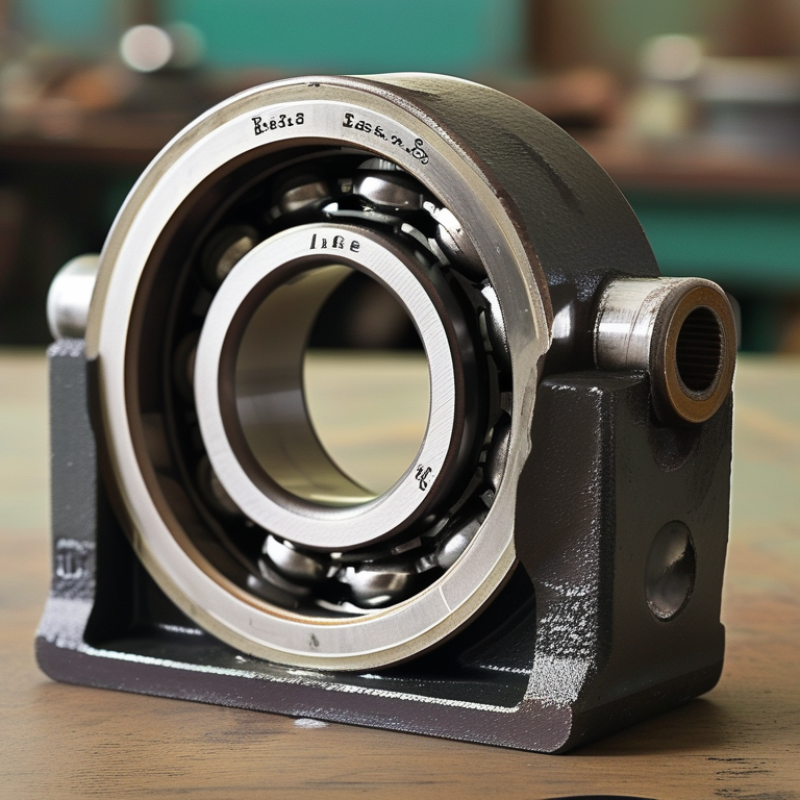
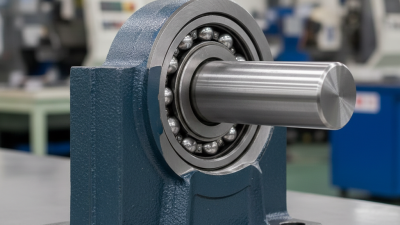
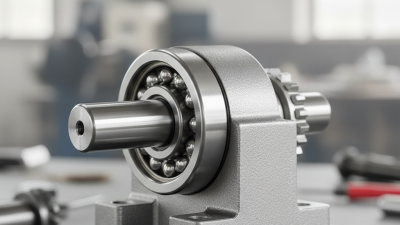
Pillow block bearing housings are essential in various industrial applications. They support rotating shafts, allowing them to function smoothly. The design typically features a mounted bearing, which sits snugly in a housing. This housing is crucial for alignment and stability.
These units come in many shapes and materials. Common materials include cast iron and steel, chosen for their strength. The pillow block design often includes flanges for mounting, making installation easier. Proper alignment is critical, as misalignment can lead to premature wear.
While they offer many benefits, there are limitations. Regular maintenance is vital to ensure longevity. Dust and debris can accumulate, affecting performance. Users must remain vigilant and aware of potential issues, as neglect can lead to costly repairs. Taking time to inspect these components can prevent unexpected breakdowns in machinery.
Key Components of Pillow Block Bearing Housings
Pillow block bearing housings are vital components in various machinery. They provide support for rotating shafts and reduce friction. The key components of a pillow block bearing housing include the housing itself, bearings, mounting bolts, and seals.
The housing is typically made of cast iron or steel. It houses the bearing and protects it from contaminants. Bearings allow smooth rotation, which is crucial in many applications. Seals prevent dust and dirt from entering the system, prolonging service life. Research shows that effective sealing can increase bearing lifespan by up to 50%.
Mounting bolts secure the housing to a base. Their quality affects stability and alignment. Misalignment can lead to premature failure and costly downtime. Regular inspections and proper maintenance can enhance the reliability of pillow block bearing housings. However, many users overlook these practices, which can lead to unexpected breakdowns. Inability to monitor and address wear can significantly impact production efficiency.
Types of Pillow Block Bearings and Their Applications
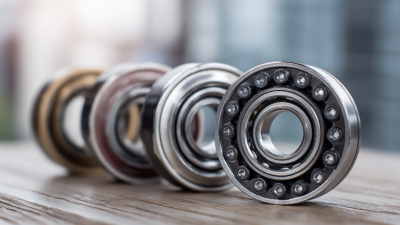
Pillow block bearings come in various types, each designed for specific applications. The most common types include flanged, standard, and long-life pillow block bearings. Each type has unique characteristics that suit different environments and loads. Flanged pillow blocks are preferred in applications with limited space. Standard pillow blocks are versatile, often used in agricultural and industrial machinery.
Applications for pillow block bearings are vast. In manufacturing, they are crucial for conveyor systems. The heavy loads and high speeds require reliable bearing solutions. In the agricultural sector, these bearings support machinery, ensuring smooth operation during planting and harvesting. Their ability to handle misalignment is a key advantage, though it can lead to maintenance challenges over time.
While pillow block bearings are resilient, they are not infallible. Overheating and wear can lead to failures. Regular inspection is essential to prevent unexpected breakdowns. Users should reflect on the operating conditions and choose the right type carefully. Selecting the wrong bearing can result in reduced efficiency and increased costs.
How Pillow Block Bearing Housings Ensure Smooth Operation
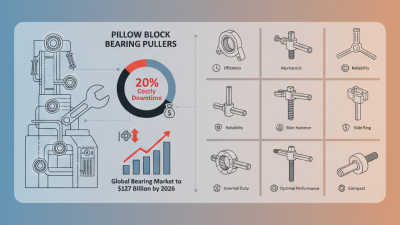
Pillow block bearing housings play a crucial role in maintaining smooth operation in various machinery. These components securely support rotating shafts and reduce friction, enhancing efficiency. According to industry data, about 20% of mechanical failures are linked to bearing issues. This emphasizes the need for reliable pillow block housings that ensure stable performance.
The design of pillow block bearings allows for easy installation and adjustment. They typically include a lubricant that minimizes wear, promoting longevity. Regular maintenance can help detect potential issues early. Misalignment can lead to premature failure, affecting productivity and increasing costs.
Tip: Always monitor operating temperatures. Excess heat can indicate friction or inadequate lubrication. Another tip is to check for vibration irregularities, as they often signal alignment problems. These preventive measures can extend the lifespan of your equipment, maintaining optimal performance in the long run.
Factors Influencing the Performance of Pillow Block Bearings
Pillow block bearings are essential components in many machinery applications. Their performance relies on various factors. One key aspect is alignment. Misalignment can cause increased wear, leading to premature failure. Ensuring proper alignment helps maintain optimal function.
Another important factor is the load capacity. Pillow block bearings need to support the weight of the machinery. Exceeding the rated load can lead to breakdowns. Understanding the limits of your bearings is crucial. Regular inspections can help ensure they operate within these parameters.
Lubrication also plays a significant role in performance. Insufficient lubrication can lead to friction, heat, and potential damage. Choosing the right lubricant is vital. It affects the bearing's lifespan and efficiency. Each application may require different lubrication methods, so adjustments are necessary. Recognizing these details can help you avoid common pitfalls.
What is a Pillow Block Bearing Housing and How Does It Work? - Factors Influencing the Performance of Pillow Block Bearings
| Parameter |
Description |
Impact on Performance |
| Bearing Material |
Materials such as steel, brass or plastic. |
Durability and load capacity. |
| Mounting Type |
Base-mounted, flange-mounted, or foot-mounted. |
Stability and ease of installation. |
| Lubrication Method |
Grease, oil, or self-lubricating options. |
Friction reduction and longevity. |
| Speed Rating |
Maximum RPM the bearing can handle. |
Performance under high-speed conditions. |
| Load Capacity |
The maximum weight the bearing can support. |
Operational efficiency and lifespan. |
| Environmental Factors |
Temperature, humidity, and contaminants. |
Corrosion resistance and failure rates. |