2026 Top Stainless Steel Bearing Manufacturers Worldwide
Choosing the right Stainless Steel Bearing manufacturer requires more than comparing catalog prices. Material grade, sealing design, load capacity, and production consistency can determine whether equipment runs smoothly or fails early. This guide introduces leading manufacturers worldwide for 2026, with attention to proven engineering capability and practical industrial performance.
Our review considers stainless steel grades, manufacturing precision, quality-control systems, and application experience. It also examines bearing performance in food-processing lines, medical equipment, marine systems, chemical plants, and outdoor machinery. Reliable manufacturers should provide traceable materials, clear technical documentation, dimensional accuracy, and responsive engineering support. Certifications can strengthen confidence, but certificates alone never tell the complete story.
Real-world details matter. A bearing exposed to washdown water needs suitable seals and corrosion resistance. A high-speed spindle needs balanced components and stable lubrication. Small differences in surface finish may become costly vibration problems over time. We assess these factors alongside global production capacity, customization options, delivery reliability, and after-sales service.
No ranking can fit every application. That limitation deserves attention. A respected supplier may still be unsuitable for extreme temperatures or unusual shaft dimensions. Our selection therefore combines manufacturer evidence, industry reputation, technical comparison, and practical buyer concerns. Some information may change as factories expand, technologies improve, or regional supply conditions shift. Readers should verify current specifications before making a purchasing decision. This introduction sets the foundation for a careful, transparent review of the world’s most capable stainless steel bearing manufacturers in 2026.
What Stainless Steel Bearings Are and Why They Matter
2026 Top Stainless Steel Bearing Manufacturers Worldwide
What Stainless Steel Bearings Are and Why They Matter
Stainless steel bearings use corrosion-resistant steel for rings, balls, or both. Their smooth raceways support controlled rotary motion in demanding environments. Engineers often choose them for food equipment, medical devices, coastal machinery, and washdown systems. Moisture, salt, and frequent cleaning can damage ordinary bearing steel. Stainless steel slows that process and helps maintain reliable movement.
Material choice still requires care. Stainless steel does not mean unlimited corrosion protection. Chlorides, poor lubrication, and heavy loads may cause staining, wear, or early failure. In field inspections, small rust marks often reveal contamination or incorrect storage. Load rating, speed, seal design, clearance, and operating temperature should match the equipment. A sealed bearing may reduce maintenance, but excessive heat can shorten its service life. No bearing is perfect.
Tips: Keep bearings in dry packaging until installation. Use clean gloves and compatible lubricant. Check shaft alignment before tightening. Listen for changes in noise or vibration during operation. Record inspection findings, even when everything seems normal. That record can expose patterns later. Choosing stainless steel is only part of the decision; installation discipline matters just as much.
Key Types of Stainless Steel Bearings in 2026
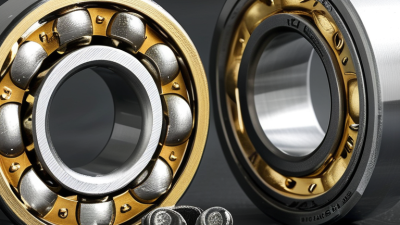
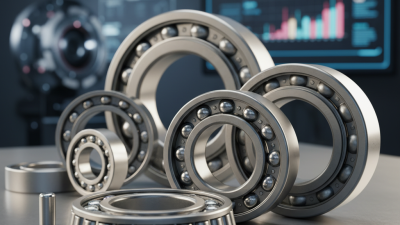
Stainless steel bearings are becoming more specialized in 2026. Deep-groove ball bearings remain common in pumps, food-processing lines, and compact electric motors. Their sealed raceways resist moisture, while the simple geometry supports high-speed rotation. According to Grand View Research, the global ball bearing market is projected to grow steadily through 2030, supported by automation, electric vehicles, and industrial equipment. Demand is shifting toward cleaner and lower-maintenance assemblies.
Angular-contact bearings suit machine tools and precision spindles. They manage combined radial and axial loads, but installation errors can quickly reduce service life. Thrust bearings handle axial forces in screw mechanisms, turntables, and vertical pumps. Cylindrical roller bearings carry heavier radial loads, especially where shaft deflection matters. Self-aligning designs tolerate limited misalignment, although they should not hide poor housing alignment.
Hybrid bearings combine stainless steel rings with ceramic rolling elements. They often reduce electrical pitting in motor systems and perform well at high speed. The International Stainless Steel Forum reported global stainless crude steel production above 60 million tonnes in recent industry data, supporting wider material availability. Yet corrosion resistance is not absolute. Salt deposits, aggressive cleaners, and inadequate lubrication can still damage races. ISO 281 calculations help estimate rating life, but real contamination often shortens it. Laboratory figures can look impressive. Factory floors are less forgiving.
How to Evaluate Global Stainless Steel Bearing Manufacturers
Evaluating global stainless steel bearing manufacturers starts with material control, not attractive catalogs. Ask for the steel grade, heat-treatment records, and complete lot traceability. A reliable supplier should explain how chromium content, hardness, and surface finish are verified. Request test reports from independent laboratories when the application involves moisture, chemicals, or high temperatures.
Production evidence matters more than polished claims. Examine grinding accuracy, raceway roughness, seal quality, and cage consistency. Ask how each batch is inspected before shipment. Useful records include dimensional reports, noise testing, torque measurements, and fatigue results. ISO certification supports credibility, but it does not replace a factory audit. Walk through storage areas. Look for clean packaging, labeled batches, and controlled humidity.
Communication reveals practical competence. Give the manufacturer a real operating profile, including speed, load, temperature, washdown frequency, and mounting conditions. Their engineers should identify risks instead of promising universal performance. A low price can hide weak sealing or unstable tolerances. That mistake is expensive. I would also compare samples after exposure testing, because stainless steel does not guarantee complete corrosion resistance. Some evaluations remain imperfect; field results can differ from laboratory data. Therefore, require clear warranty terms, corrective-action records, and ongoing technical support before approving long-term supply.
Leading Stainless Steel Bearing Manufacturers Worldwide in 2026
Leading Stainless Steel Bearing Manufacturers Worldwide in 2026 are focusing on durability, precision, and traceable production. Stainless steel bearings remain valuable in food processing, marine equipment, medical machinery, and clean industrial systems. Their corrosion resistance supports demanding environments, but material choice still requires careful review. A bearing may resist moisture yet perform poorly under heavy shock loads.
Experienced manufacturers now combine controlled heat treatment, accurate grinding, and automated inspection. They measure raceway geometry, radial clearance, surface roughness, and noise levels. Reliable producers also document steel grades, lubrication options, and batch testing. These records help engineers confirm performance before installation. In my experience, supplier transparency often reveals more than attractive catalog claims.
Tips: Compare load ratings with real operating conditions. Check temperature, speed, moisture, and cleaning chemicals. Ask for inspection reports and application references. Do not select stainless steel only because it looks cleaner. That assumption can become expensive. Also, review sealing design carefully. Poor seals may allow fine particles into the bearing, even in well-maintained equipment.
Worldwide leaders in 2026 are also improving energy efficiency and manufacturing consistency. Digital monitoring can identify vibration changes before failure becomes obvious. However, predictive tools are not perfect. Maintenance teams still need practical inspections and accurate installation methods. Slight alignment errors can shorten service life quickly. A thoughtful purchasing process should examine technical capability, quality control, delivery reliability, and after-sales support together.
Industry Trends Shaping the Stainless Steel Bearing Market
In 2026, stainless steel bearing demand is shifting from simple corrosion resistance toward measurable operating reliability. Food-processing lines, coastal equipment, and clean-energy systems face humidity, washdown, salt, and temperature swings. Buyers increasingly request documented material grades, surface finishes, load ratings, and traceable inspection records. This changes purchasing conversations. Price still matters. It is not enough.
Manufacturers are investing in tighter process control, automated dimensional inspection, and cleaner assembly areas. Ceramic elements, low-friction seals, and specialized lubricants are gaining attention where contamination or maintenance access is limited. Yet these options are not universal solutions. A bearing designed for dry, slow movement may fail under high-speed loads. Field engineers therefore compare duty cycles, shaft alignment, cleaning chemicals, and relubrication intervals before approving a specification. Small details matter. A two-degree mounting error can create heat, noise, and premature wear.
Digital monitoring is also reshaping the market. Sensors can track vibration, temperature, and changes in running torque before a stoppage occurs. However, data quality remains uneven, especially on older equipment. Some plants collect readings without clear alarm thresholds. That is a practical weakness. Reliable suppliers increasingly support installation guidance, test reports, and application reviews rather than shipping components alone. Sustainability pressures are growing too, encouraging longer service life, reduced lubricant consumption, and recyclable packaging. The industry is moving forward, but not perfectly. Field feedback still exposes gaps between laboratory performance and daily production.