How to Choose the Best Bearing Factory for Global Sourcing?
Choosing the right bearing factory is crucial for successful global sourcing. With numerous options available, it can be challenging to find a reliable manufacturer. Factors such as quality, cost, and delivery times must be considered. A factory with a solid reputation demonstrates expertise in producing bearing components.
One should also evaluate the certifications and standards upheld by potential suppliers. These details indicate the factory's commitment to quality and safety. Understanding the factory's production capabilities aids in determining if they can meet specific needs.
Additionally, keep in mind that not all factories are created equal. A factory may have dazzling machinery but lack skilled workers. Researching customer reviews helps highlight potential strengths and weaknesses. Finding the right bearing factory requires careful consideration and a willingness to explore various options.
Understanding the Global Bearing Market: Key Statistics and Trends
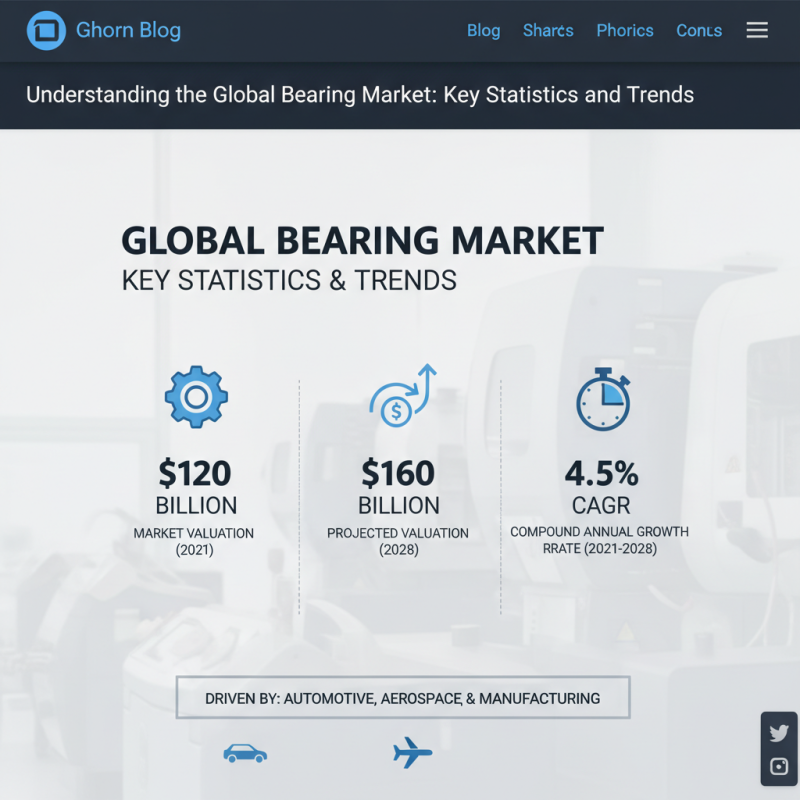
The global bearing market demonstrates significant growth, driven by multiple industries including automotive, aerospace, and manufacturing. According to a recent market report, the market was valued at approximately $120 billion in 2021. This figure is projected to reach around $160 billion by 2028, showcasing a compound annual growth rate (CAGR) of about 4.5%. Such statistics highlight the increasing demand for bearings as essential components in various machinery.
In terms of trends, the shift towards automation and electric vehicles significantly impacts bearing consumption. A report indicates that the electric vehicle sector alone could increase bearing demand by up to 20% by 2025. Despite these optimistic projections, challenges remain. Supply chain disruptions and fluctuating material costs pose risks to manufacturing timelines. Companies must prepare to navigate these uncertainties while sourcing from reliable bearing factories.
Understanding these dynamics is crucial for firms engaged in global sourcing. Buyers should consider industry reports and market forecasts to make informed decisions. However, the reliance on data can also lead to overconfidence. Inspecting factories and evaluating their capabilities is essential for mitigating risks. The complexity of the global market means that seasoned decision-makers must adapt and critically assess their sourcing strategies.
Identifying Key Factors in Bearing Quality and Performance Standards
When sourcing bearings globally, quality and performance standards are crucial.
Evaluating a factory’s capabilities begins with examining their manufacturing processes. Look for facilities that utilize
advanced technology and follow strict quality control measures. This ensures the bearings meet specific industry requirements.
A factory should offer documentation proving compliance with international standards.
Another key factor is the materials used in production.
High-quality steel, for instance, enhances durability and performance. Assess the factory's sourcing of raw materials
to understand their reliability. Additionally, consider the factory’s testing procedures. Regular inspections and
performance tests are indicators of commitment to quality.
Supplier reputation also plays a vital role in decision-making. Seek out reviews and testimonials from other businesses.
A factory with a proven track record can provide peace of mind. However, keep in mind that no factory is perfect.
Some may face challenges with consistency or customer communication. It’s important to weigh these aspects
to make a well-informed choice.
Evaluating Manufacturing Capabilities: Capacity, Technology, and Certifications
When selecting a bearing factory for global sourcing, evaluating manufacturing capabilities is essential. Start by examining production capacity. A factory with significant output can better meet your demands. However, having too much capacity without a stable market can lead to waste and inefficiencies. A delicate balance is crucial.
Next, consider the technology used in the manufacturing process. Advanced machinery often leads to higher precision and better quality. Look for factories that invest in new technologies. Yet, be cautious; relying solely on technology might overlook skilled labor's role. Machines can malfunction, and human oversight is critical.
Certifications are another vital aspect. Relevant certifications signal adherence to international standards. They indicate a commitment to quality and safety. But certifications alone do not guarantee excellence. Sometimes, a certified factory may still lag in practical knowledge. Assessing the factory's real-world performance is equally important. Real commitment to quality often shines through practical experience rather than just paperwork.
Evaluating Manufacturing Capabilities of Bearing Factories
Assessing Supply Chain Reliability and Lead Times in Bearings Sourcing
When sourcing bearings globally, assessing supply chain reliability is critical. A reliable supply chain ensures that products arrive on time and meet quality standards. Look for factories with a proven track record. They should demonstrate consistency in their production capabilities. Analyze their operational history and seek references from other businesses.
Lead times can significantly impact your manufacturing schedule. Some manufacturers boast quick turnaround, but confirm their actual performance. Establish communication about timelines before placing orders. Ask for details on their logistics capabilities and contingency plans. Reliable factories should have systems in place to handle unexpected delays.
Tips: Prioritize suppliers that disclose their lead times transparently. Engage in regular communication to address any uncertainties. Keep an eye on geopolitical factors that might affect shipping times. Flexibility in your sourcing strategy can also help mitigate risks. A responsive supplier should be willing to adapt to changes promptly.
Cost Analysis: Comparing Pricing Strategies and Value in Bearing Suppliers
When sourcing bearings globally, cost analysis becomes crucial. Different suppliers may use varying pricing strategies influenced by production methods, material quality, and shipping logistics. The market for bearings is projected to reach approximately $85 billion by 2025, according to industry reports. This growth reflects increasing demand in sectors like automotive and aerospace, which can impact supplier pricing.
Price per unit can differ widely between manufacturers. A 2023 report indicated that average costs range from $0.50 to $200 per bearing, depending on specifications and volume. Bulk orders often result in significant discounts. However, these savings must be weighed against potential quality compromises. Reliability and performance can suffer if the lowest bid is chosen without regard for long-term value.
Supplier expertise plays a significant role in cost. A factory with advanced technology often commands higher prices, but frequently guarantees better durability and efficiency. Furthermore, service and support are vital in the bearing industry. Some suppliers focus solely on low costs without providing adequate customer service, which can lead to hidden costs later. Always consider the total cost of ownership, not just the initial price. Balancing cost with quality and service is essential for informed decision-making in global sourcing.
How to Choose the Best Bearing Factory for Global Sourcing? - Cost Analysis: Comparing Pricing Strategies and Value in Bearing Suppliers
| Supplier Type |
Location |
Average Price per Unit ($) |
Lead Time (Days) |
Quality Rating (1-5) |
Supply Capacity (Units/Month) |
| Local Manufacturer |
USA |
20 |
15 |
4 |
10,000 |
| Offshore Manufacturer |
China |
12 |
30 |
5 |
50,000 |
| Regional Supplier |
Germany |
15 |
20 |
4.5 |
25,000 |
| Bulk Supplier |
India |
10 |
25 |
3.5 |
40,000 |
| High-end Manufacturer |
Japan |
25 |
10 |
5 |
15,000 |