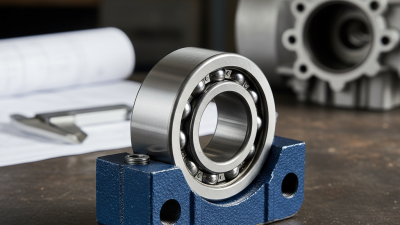
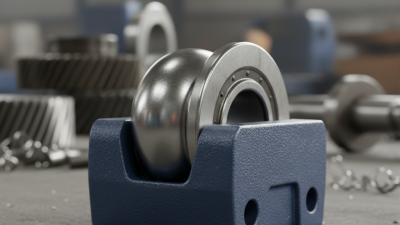
What is a Pillow Block Bearing and How to Choose the Right One?
When it comes to machinery and equipment, choosing the right components is crucial. A Pillow Block Bearing is one such essential part. This type of bearing allows for smooth rotation and supports shafts effectively. Understanding its role can greatly enhance performance. However, many users overlook its importance, leading to issues in functionality.
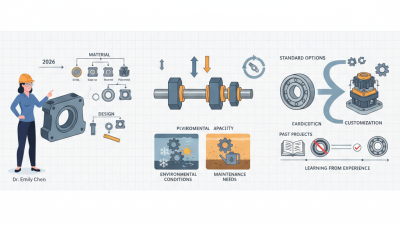
Selecting the right Pillow Block Bearing involves considering several factors. The load capacity, material, and design all play vital roles. Each application may require different specifications. Proper knowledge of your system’s demands is vital. Missteps in selection can lead to increased wear or even failure.
Finding a reliable Pillow Block Bearing can seem daunting. It is important to consult industry experts or technical documentation. Gathering accurate information can guide you in making an informed choice. This awareness ensures not just optimal function but also longevity in your operations. Take the time to understand and assess your needs.
What is a Pillow Block Bearing?
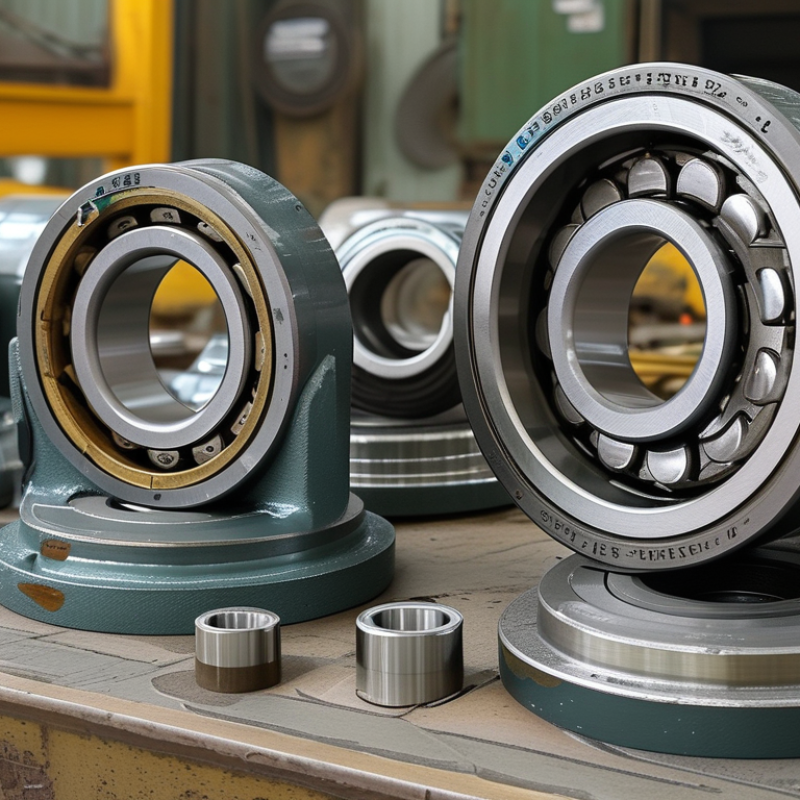
Pillow block bearings are crucial components in machinery. They support rotating shafts and reduce friction. Typically mounted on a base, they provide stability and ease of maintenance. The global bearing market is projected to reach $71.8 billion by 2026, with pillow block bearings playing a significant role in various industries, particularly in manufacturing and automotive sectors.
These bearings consist of a bearing housing and a bearing element. The housing absorbs loads while the element allows smooth rotation. When selecting a pillow block bearing, consider factors like load capacity, temperature range, and shaft diameter. According to a recent industry report, improper installation can lead to a 30% increase in bearing failure rates, emphasizing attention to detail during setup.
It's essential to choose the right material as well. While cast iron is common, plastic and stainless steel variants offer specific advantages. For instance, they resist corrosion better. However, they might not handle heavy loads as effectively. Furthermore, the type of lubrication, whether grease or oil, impacts performance significantly. Small oversights in these areas can degrade efficiency over time, leading to costly repairs and downtime.
Pillow Block Bearings Performance Comparison
This chart displays the load capacity of different pillow block bearing materials. Selecting the right pillow block bearing requires understanding the load requirements and material characteristics.
Types of Pillow Block Bearings and Their Applications
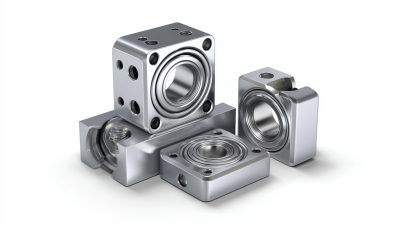
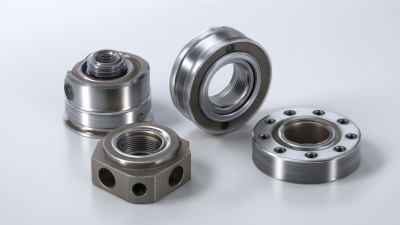
Pillow block bearings are essential components in many machinery applications. They consist of a mounted bearing housed in a robust case. Various types of pillow block bearings cater to specific needs, impacting their effectiveness. Some are designed for high-speed applications, while others excel in high-load situations.
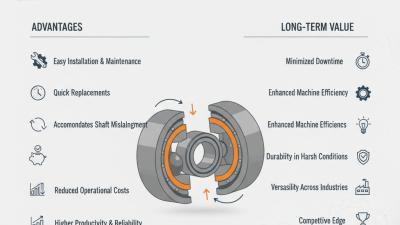
There are two main types: solid and split pillow block bearings. Solid bearings are sturdy and provide excellent stability. They are ideal for heavy machinery. In contrast, split bearings allow for easier installation and maintenance. This feature is essential for equipment often in need of repair or replacement.
Additionally, considering the environment is crucial. Pillow block bearings in humid areas require specialized materials to resist corrosion. Those used in food processing must meet hygiene standards. Knowing these details helps ensure proper functionality and longevity. However, the wrong choice can lead to costly downtimes. Thoughtful selection plays a significant role in optimal machinery performance.
Key Features to Consider When Choosing Pillow Block Bearings
When selecting a pillow block bearing, several key features necessitate attention. The type of material used in construction significantly impacts bearing performance and durability. Common materials include cast iron, steel, and composite plastics. Each offers unique benefits depending on the application. For instance, cast iron provides excellent resistance to wear, while plastics may reduce weight and enhance corrosion resistance.
Another crucial consideration is load capacity. It's essential to understand the weight and forces that the bearing will support. Reports indicate that miscalculating load requirements can lead to premature bearing failure. Manufacturers often provide load ratings in technical datasheets. Always compare these ratings with the expected operational conditions for optimal results.
Tip: Take time to evaluate environmental factors. High temperatures or exposure to corrosive substances can affect bearing lifespan. It’s wise to consult with industry professionals or reference trusted engineering sources.
Lubrication is also a determining factor in the longevity and efficiency of pillow block bearings. Some require regular lubrication schedules, while others are sealed for maintenance-free operation. It’s imperative to choose the right lubrication method based on operational demands. Neglecting this can lead to overheating and eventual breakdown.
Tip: Always consider the working environment when selecting a bearing. A seemingly minor factor could have significant repercussions on overall performance.
Factors Affecting the Selection of Pillow Block Bearings
When selecting a pillow block bearing, several factors come into play. The load capacity is crucial. It indicates how much weight the bearing can handle effectively. Another important factor is the shaft diameter, which must match your equipment specifications for optimal performance. Remember, the fit matters deeply. An incorrect fit can lead to early wear or failure.
Environmental conditions also play a role. Exposure to dust, moisture, or extreme temperatures can impact bearing selection. They may require seals or special materials to resist corrosion. Consider your application carefully. It might require specific designs to ensure long-lasting functionality.
**Tips:** Always consult technical specifications before buying. If unsure, seek professional advice. Check available installation resources; they can simplify the process. Each choice you make should be deliberate. Reflect on past experiences to guide your decisions. Choose wisely.
What is a Pillow Block Bearing and How to Choose the Right One? - Factors Affecting the Selection of Pillow Block Bearings
| Bearing Type |
Material |
Load Rating (N) |
Temperature Range (°C) |
Mounting Type |
| Standard Pillow Block |
Cast Iron |
2500 |
-20 to 100 |
Bolt-on |
| Polymer Pillow Block |
Polymer Composite |
1800 |
-40 to 80 |
Snap-in |
| Stainless Steel Pillow Block |
Stainless Steel |
3000 |
-20 to 150 |
Base-mounted |
| Heavy Duty Pillow Block |
Cast Steel |
5000 |
-20 to 120 |
Bolt-on |
| Vibration Resistant Pillow Block |
Bronze |
2200 |
-10 to 90 |
Flange-mounted |
Installation and Maintenance Tips for Pillow Block Bearings
Pillow block bearings are essential components in many mechanical systems. Proper installation and maintenance are crucial for their performance and longevity. Regular inspection is vital. Checking for any misalignment or wear can prevent larger issues. Reports indicate that improper alignment can reduce bearing life by up to 50%.
When installing pillow block bearings, it's important to follow specific guidelines. Ensure the mounting surface is flat and clean. Use a torque wrench for fasteners to avoid over-tightening. Over-tightening may cause stress and lead to premature failure. Additionally, regular lubrication is key. A well-lubricated bearing reduces friction. Studies show that insufficient lubrication is linked to 40% of bearing failures.
Understand that regular maintenance routines should include monitoring temperature and vibration levels. High temperatures can indicate problems. Measurement devices provide valuable insights for ongoing performance assessments. Every application has unique demands, so what works for one may not fit another. Tailoring your approach to your specific needs can make a significant difference in bearing efficiency.