2026 How to Choose Split Pillow Block Bearings for Your Needs?
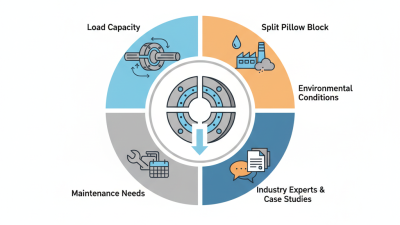
Choosing the right Split Pillow Block Bearings is crucial for optimal machinery performance. According to a recent industry report by the National Association of Manufacturers, improper bearing selection can lead to a 30% increase in downtime. This highlights the need for careful consideration of various factors, such as load capacity and operating conditions.
John Smith, a leading expert in bearing technology, emphasizes, “Choosing the right bearing isn't just a matter of preference; it significantly impacts long-term reliability and efficiency.” This statement underlines the importance of understanding your specific needs before making a selection. The market is flooded with options, and each application has unique demands that require a tailored approach.
In many cases, users overlook subtle details, such as mounting configurations or seal types, which can impact performance. A minor oversight can lead to significant failures down the line. Thus, it is essential to reflect on the requirements of your application and the characteristics of the Split Pillow Block Bearings you are considering.
Understanding Split Pillow Block Bearings: An Overview
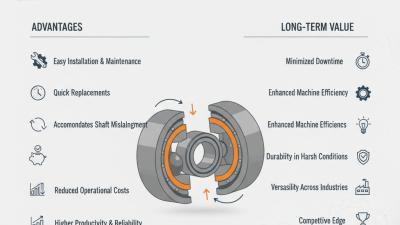
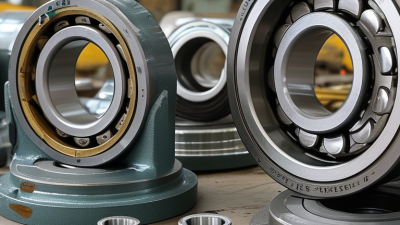
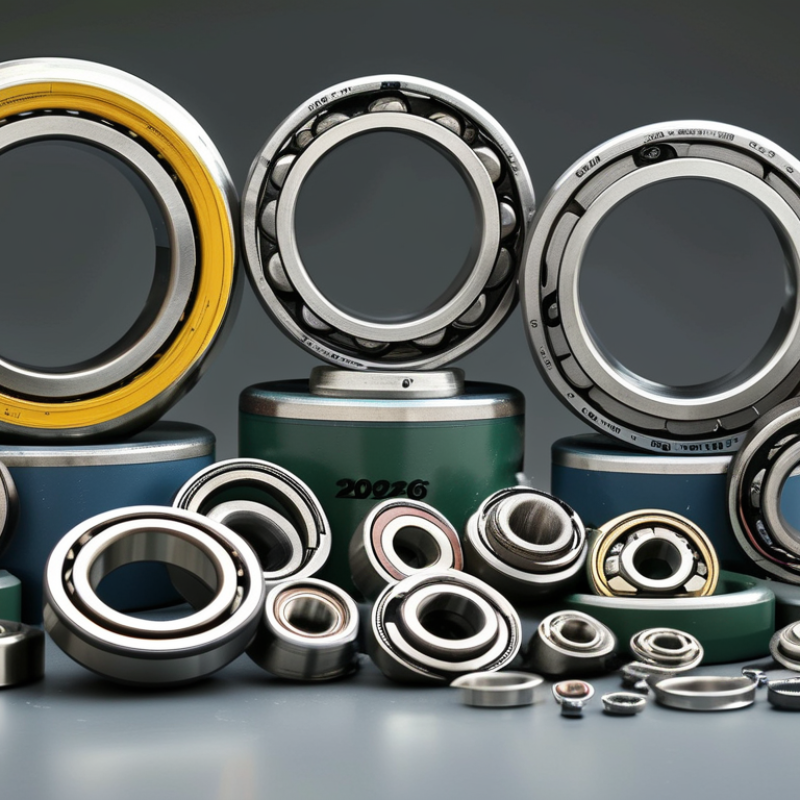
Split pillow block bearings play a crucial role in various mechanical systems. They support rotating shafts, allowing for smooth operation. Understanding these components is essential for effective maintenance and machinery design. Their split design makes them easy to install, which is a significant advantage in tight spaces.
These bearings are typically made from durable materials, ensuring a long lifespan. However, users must be aware of factors affecting their performance, such as load capacity and operating conditions. Proper alignment is key. Misalignment can lead to premature wear. Regular inspection is advisable, as even a small misalignment can cause significant damage over time.
Selecting the right bearing involves understanding your specific application. Factors like temperature and humidity can impact performance. It's also essential to think about ease of access for maintenance. Not all bearings fit every need, so take time to evaluate your options. This reflective approach helps in choosing the most reliable solution for your machinery.
Key Characteristics to Consider When Selecting Bearings
When choosing split pillow block bearings, key characteristics must be thoroughly evaluated. These bearings are widely used in various industrial applications. The selection process impacts overall system performance. The American Society of Mechanical Engineers reports that improper bearing choices can reduce efficiency by nearly 30%.
Material type significantly affects durability. Common materials include cast iron and polymer composites. Cast iron offers strength but may corrode under harsh conditions. On the other hand, polymer bearings resist chemicals, but their load capacity might be lower. Consider the operating environment. A dusty or wet setting demands a more robust design.
Load capacity is another essential factor. Each bearing has a dynamic load rating that indicates how much weight it can support. Failing to match the load requirements can lead to premature failure. According to industry studies, approximately 40% of bearing failures stem from overload situations. Additionally, operational speed must align with bearing specifications. High-speed applications require specialized solutions to avoid overheating. Always review maintenance needs as well; some designs offer easier access for lubrication. Making informed choices is crucial for long-term reliability.
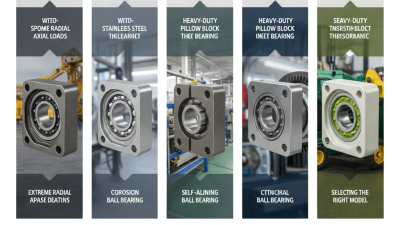
Key Characteristics of Split Pillow Block Bearings
Assessing Load Capacity Requirements for Your Application
When choosing split pillow block bearings, assess the load capacity essential for your specific applications. Load capacity refers to the bearing’s ability to support the weight and forces acting on it. Ignoring this can lead to premature failure. You need to determine both static and dynamic load ratings. These ensure the bearings operate efficiently under varying conditions.
Tips for assessing load capacity: consider the type of loads. Are they constant or fluctuating? Static loads require different considerations than dynamic loads. Analyze the environment too. Harsh conditions may necessitate a stronger bearing. Don’t overlook the potential for wear over time. It's crucial to account for potential misalignment. This could influence the effective loads on the bearings.
Experimenting with calculations may reveal surprising results. Sometimes the values in theory don’t translate perfectly into practice. Regularly reviewing the application can help refine your choices. Real-world conditions often introduce unexpected variables. Always seek a balance between specifications and actual performance.
Material Types and Their Impact on Bearing Performance
When selecting split pillow block bearings, the material types play a crucial role in performance. Common materials include steel, cast iron, and thermoplastics. Each option has its strengths and weaknesses.
Steel is durable and ideal for heavy loads. However, it can corrode over time. Cast iron offers good rigidity but may be brittle. Thermoplastics provide corrosion resistance but lack strength under high pressure.
Considering environmental factors is essential. If the bearing will face moisture or chemicals, material choice matters significantly. Steel may not perform well in humid environments, while thermoplastics excel. Conducting thorough tests can avoid unexpected failures.
Tips: Always check compatibility with your specific application. Sometimes, a compromise is necessary. For example, a thermoplastic may suffice if you can manage lower loads. Review the technical data sheets for each material type to ensure the best fit. Experimenting with various prototypes can lead to better insights into performance.
Installation and Maintenance Tips for Optimal Lifespan
When considering split pillow block bearings, proper installation and maintenance play a crucial role in ensuring their optimal lifespan. The first step is to install the bearings correctly. Ensure that the mounting surfaces are clean and free from debris. Misalignment can lead to premature wear. Pay attention to torque specifications when securing the bearings in place. This simple measure can significantly reduce future issues.
Regular maintenance is essential. Inspect bearings for signs of wear, such as unusual noise or vibration. Lubrication is key; use the correct type and amount of lubricant to prevent overheating and damage. However, over-lubrication can also cause problems. Keep a record of maintenance activities to track performance over time.
Mitigating mistakes is part of the process. If you notice a bearing failing, analyze the root cause. Was it an installation error or inadequate lubrication? Learning from these experiences can enhance your approach. Remember, understanding the specific needs of your application is vital. Adapting to these needs can optimize the performance and longevity of your bearings.