Essential Tips for Choosing Ucp Bearings for Your Needs?
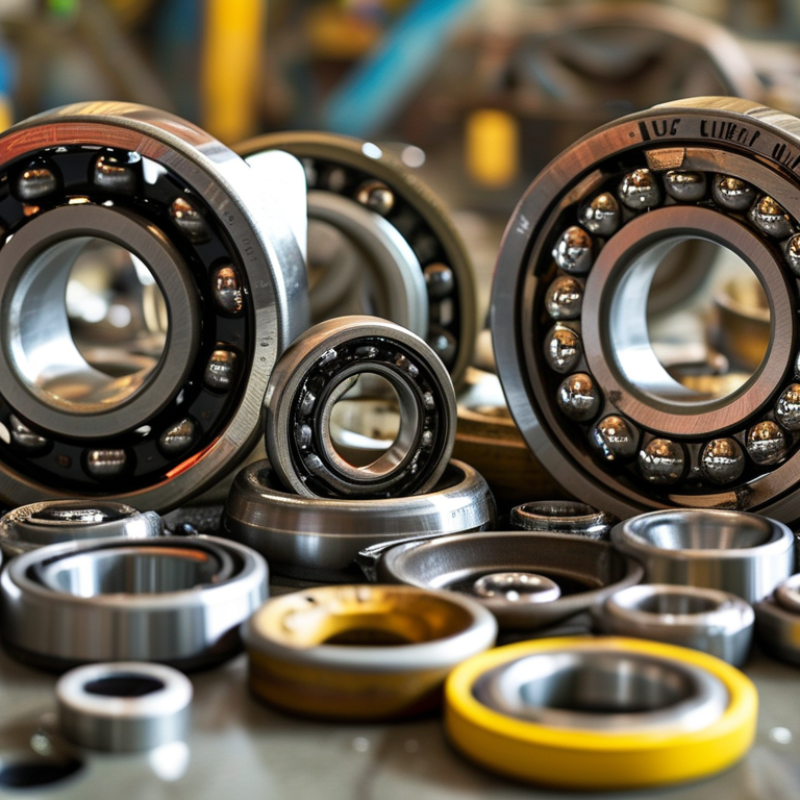
When selecting Ucp Bearings, the options can feel overwhelming. These components play a crucial role in various machinery and equipment. Understanding their features and specifications is essential to make an informed choice.
Ucp Bearings come in different sizes and materials. Factors such as load capacity and durability are vital. Many users overlook these aspects, which could lead to suboptimal performance. It’s important to match the bearing to the specific application needs. Failing to consider the environment can cause premature wear.
Selecting the right Ucp Bearing is not just about price. Quality matters significantly. A cheaper option may seem appealing but could lead to more significant costs in the long run. Investing time in research and considering expert recommendations can lead to better decisions. Always reflect on your choices; it can save future headaches.
Understanding UCP Bearings and Their Applications
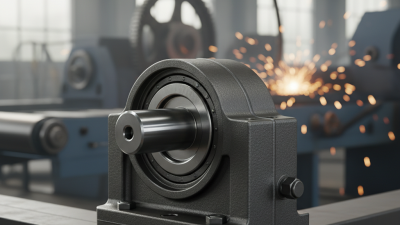
UCP bearings play a crucial role in various industrial applications. They are commonly used in both light and heavy machinery. Their design allows for easy installation and maintenance. These bearings provide necessary support to shafts and help minimize friction.
Understanding how UCP bearings work is essential for selecting the right type for specific needs. According to industry reports, UCP bearings account for nearly 30% of all bearing sales in manufacturing sectors. This makes them vital for operations that require reliability and efficiency. However, not every UCP bearing is suitable for every application.
Key factors must be considered when choosing UCP bearings. Load capacity, environmental conditions, and installation space are important elements. In some cases, improper selection leads to bearing failure, which can result in costly downtime. Regular evaluations and inspections also help to ensure optimal performance. Thorough knowledge of application requirements can prevent these issues.
Key Factors to Consider When Selecting UCP Bearings
When selecting UCP bearings, understanding the key factors is crucial. Start with the load capacity. Ensure the bearing can support the weight it will carry. If it’s overburdened, it will wear out quickly. Consider the operating environment as well. Dust, moisture, and temperature can impact performance.
Another important aspect is the material. Bearings made from high-quality materials often last longer. They are less prone to rust and corrosion. It’s wise to assess the friction level too. Lower friction leads to better efficiency. This can improve the lifespan of the bearing.
Make sure to check the design specifications. Different applications require different designs. Compatibility with existing systems is vital. Take the time to research and compare options. Not doing so may lead to premature failure. Each choice matters in ensuring optimal performance.
Essential Tips for Choosing UCP Bearings
Material Types and Their Impact on Bearing Performance
When selecting UCP bearings, the material type significantly influences performance. Common materials include steel, ceramic, and composites. Each option has its pros and cons in terms of strength, durability, and cost. Steel bearings, for instance, are known for their toughness but may rust without proper treatment. A recent industry report suggests that ceramic bearings can last up to four times longer than traditional steel bearings, making them a worthwhile investment for certain applications. However, they come with a higher initial cost.
When considering materials, the operating environment is crucial. Humidity and temperature can affect material performance. Composite materials are gaining popularity due to their resilience against corrosion and lightweight properties. According to a 2022 market analysis, over 30% of manufacturers are now choosing composites for their energy-efficient designs. Tips: Evaluate the working conditions. This will ensure the selected material withstands environmental stress.
Ultimately, understanding the material types and their effects can prevent costly failures. Distinguishing between simple choices based on cost versus long-term performance is essential. Assess the specific needs of your application carefully. Performance data suggests a mismatch can lead to mediocre outcomes and increased maintenance. Reflect on this aspect as you make your decision.
Sizing and Load Capacity: Ensuring Proper Fit for UCP Bearings
When selecting UCP bearings, sizing and load capacity are crucial factors to ensure optimal performance. Proper sizing prevents misalignment and minimizes wear. A recent industry report highlights that nearly 30% of bearing failures are due to improper fit. Therefore, accurate dimensions are essential. It’s important to measure the shaft and housing accurately. Both internal and external diameters must match precisely.
Load capacity is another key consideration. UCP bearings come with specified load ratings. Exceeding these ratings can lead to premature failure. According to a study by the American Bearing Manufacturers Association, bearing life decreases significantly when load exceeds recommended limits by just 10%. Understand the load conditions—static and dynamic. Evaluate if the application demands high radial or axial loads.
Often overlooked, environmental factors like temperature and contamination are pivotal. They can severely impact load capacity. Ensuring that the UCP bearings are rated for operating conditions is essential. A mismatch in any of these parameters may render the bearing ineffective. The nuances in sizing and load capacity demand careful thought and precision when selecting UCP bearings for specific applications.
Maintenance Practices for Optimizing UCP Bearing Longevity
When it comes to optimizing the longevity of UCP bearings, maintenance practices play a crucial role. Regular inspection of the bearings is essential. Look for signs of wear, such as unusual noises or vibrations. These signals can indicate the need for further attention.
Lubrication is key. Always use the recommended type of lubricant. Over-lubrication can be as harmful as under-lubrication. It may lead to increased heat and can damage the bearing. Regularly check lubrication levels. This practice can greatly extend the life of your bearings.
Keep the bearings clean. Dirt and debris can interfere with their function. Use a soft cloth to wipe surfaces and prevent buildup. Implementing a cleaning schedule can prevent avoidable wear and tear. Don't ignore these simple tasks; neglecting them can lead to costly replacements down the line.