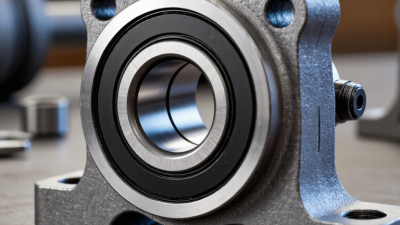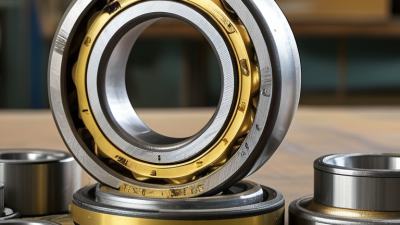
An 8mm Pillow Block Bearing may look like a minor component, yet a mismatch can delay assembly or cause avoidable maintenance. For global buyers, the key is confirming what “8mm” describes: usually the shaft bore, but product listings can be unclear. Check the drawing, not just the product title. A caliper reading, mounting-hole spacing, and overall height can help verify fit before you order.
Small part. Real consequences.
This guide explains how to compare bearing materials, housing styles, seals, lubrication, and load ratings for the intended application. A unit used on a light packaging conveyor may face different conditions from one exposed to dust, washdown, or frequent vibration. Operating speed, temperature, shaft alignment, and available mounting space also matter. Ask suppliers for dimensioned drawings, material details, tolerances, and inspection records where relevant. Product photos rarely show enough.
Price and lead time deserve attention, but neither tells the full story. Buyers should clarify minimum order quantities, sample availability, packaging, shipping terms, and how defects are handled. Request written confirmation when specifications are important. Not every supplier will provide the same level of documentation, and that makes comparison less tidy than it should be. A careful checklist can reduce uncertainty, though it cannot replace testing in the actual assembly. The sections ahead offer practical questions to ask before selecting an 8mm Pillow Block Bearing for production, maintenance, or a prototype.
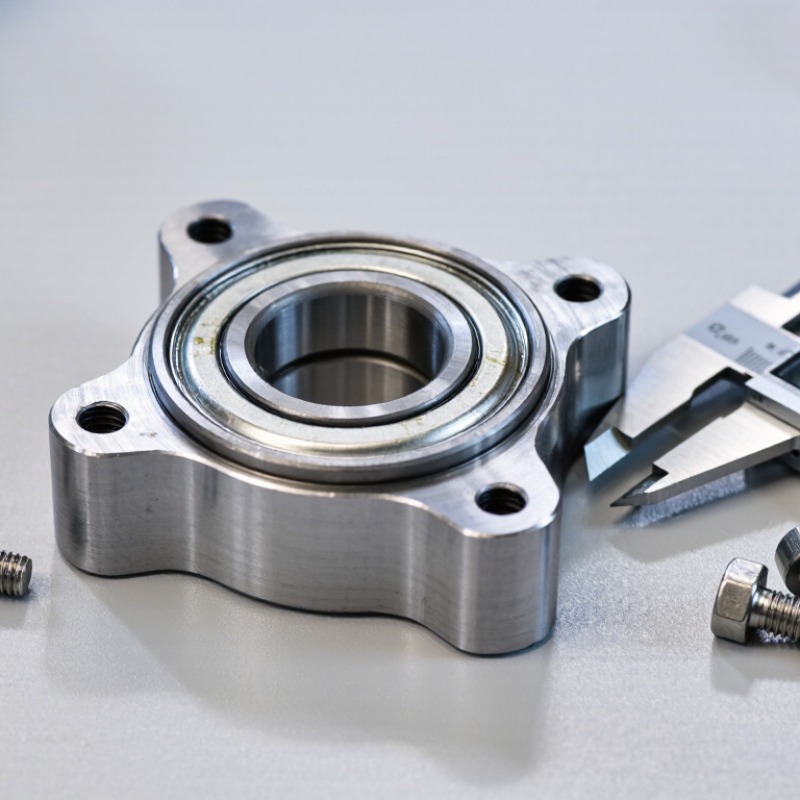
An 8 mm pillow block bearing must have an actual 8 mm bore, not merely an “8 mm” product label. Check the technical drawing and measure the shaft with a calibrated micrometer. A shaft that measures 7.96 mm may fit loosely, while one near 8.00 mm could resist installation. Dirt, plating, and temperature can change the result.
Shaft fit affects vibration, noise, and service life. For a hand-adjusted mechanism, a controlled sliding fit may be suitable. Rotating loads often need a firmer fit, depending on the shaft material and operating speed. Do not guess from catalog pictures. Confirm radial load, speed, shaft tolerance, and housing alignment with the supplier’s technical team.
The locking mechanism deserves equal attention. Set screws are compact and easy to inspect, but over-tightening can mark a small shaft. Eccentric collars can provide stronger grip, yet they require enough space for adjustment. Clamping designs distribute pressure more evenly, though installation access may be limited. Test the lock on a spare shaft before production. I have seen buyers focus on bore size and overlook tool clearance. That mistake is small, but frustrating. Check thread size, screw access, corrosion resistance, and replacement availability before ordering internationally.
8mm Pillow Block Bearing Buying Tips for Global Buyers
An 8mm bore does not guarantee a direct replacement. Compare the complete housing drawing before ordering. Check overall length, mounting-hole spacing, base width, center height, and insert outer diameter. A difference of only 1–2 mm can shift the shaft alignment. Measure your existing unit with calipers, especially around the mounting slots. I once trusted a catalog photo and missed the center height. The replacement fitted the shaft, but the belt ran unevenly.
ISO 492 tolerance classes describe bearing accuracy, not housing dimensions. Normal tolerance is often adequate for general conveyors, light machinery, and moderate speeds. P6 offers tighter dimensional and rotational control, while P5 suits more demanding precision applications. Do not select a tighter class automatically. It may increase cost without improving the machine. Review bore, outside diameter, radial runout, and axial runout values on the supplier’s technical sheet. Also confirm whether the stated class applies to the complete bearing or only selected components. That detail is easy to overlook.
Tips
Compare both drawings side by side. Confirm the 8mm bore, insert width, housing height, and bolt-hole pattern. Ask for ISO 492 inspection data when speed or vibration matters. Check the actual shaft fit, not just the nominal diameter. Allow for mounting errors and thermal expansion. A tolerance table helps, but field measurements remain more reliable. If the application is critical, request a sample and test noise, temperature, and alignment before bulk purchasing.
Compare standardized bearing boundary dimensions for housing fit and ISO 492 bore tolerance classes.
| ISO 492 Class | Bore Tolerance for 8 mm Bore | Typical Selection Use |
|---|---|---|
| Normal | 0 to −8 μm | General-purpose pillow block assemblies |
| P6 | 0 to −7 μm | Improved running accuracy |
| P5 | 0 to −5 μm | Higher precision and lower runout |
| P4 | 0 to −4 μm | Precision applications requiring tighter control |
The chart uses standardized 8 mm bore bearing boundary dimensions: bore diameter, outside diameter, and bearing width. These values help buyers check the required housing bore and available axial space. Pillow block envelope dimensions vary by housing series, mounting pattern, seal design, and retention method, so the final housing drawing should always be verified before ordering.
L10 = (C/P)³ × 10⁶ Revolutions
For an 8mm pillow block bearing, begin with the basic life estimate. L10 = (C/P)³ × 10⁶ revolutions. C means the bearing’s dynamic load rating. P means the equivalent dynamic load during operation. Both values must use matching units. L10 predicts the point when 10% of identical bearings may show fatigue damage. It does not predict failure of every bearing.
Keep the load realistic. A light conveyor roller may create a different P value than a belt tensioner or guide wheel. Include radial load, axial load, shock, and speed changes. A small error in P can greatly change the result because the ratio is cubed. Measure twice. Check the supplier’s load data, dimensional drawings, and test records before ordering.
The formula looks clean, but installations are not. Dirt, poor shaft alignment, over-tight mounting, and unsuitable grease can shorten service life. I have seen a calculated life exceed expectations on paper, yet vibration appeared after installation. That result deserves investigation, not excuses.
Confirm the 8mm shaft fit, housing rigidity, seal protection, operating temperature, and lubrication interval. Ask whether C applies to the complete bearing assembly or only the insert. For international purchasing, request consistent units, material details, tolerance information, and inspection results. A lower purchase price may hide higher maintenance exposure. Don't ignore installation skill.
An 8 mm pillow block bearing may look interchangeable across suppliers, but seal design, grease, and speed limits can change its service life. A contact seal helps keep dust and splash out, while a non-contact seal usually creates less friction. Match the seal to the actual environment: a dusty workshop needs different protection from a clean, dry enclosure. Check whether the bearing arrives greased, and confirm the lubricant’s operating-temperature range. Do not assume two greases can be mixed safely.
Speed needs equal care. Use the manufacturer’s rated limit for the exact sealed and lubricated assembly, not a catalog figure for an open bearing. Higher speed can raise heat and shorten grease life, especially with poor alignment or excess load. ISO 281:2007 defines basic rating life L10 as one million revolutions at 90% reliability under stated conditions. That is a calculation basis, not a promise of real-world life. Dirt, mounting errors, and shock loads still matter.
Tips: Request the seal type, grease specification, and rated speed in writing. Compare those details across quotations, then check that the part marking matches the documents. A small mismatch is easy to overlook—and worth checking twice.
| Buying Dimension | What to Check | Practical Guidance | Information to Confirm Before Ordering |
|---|---|---|---|
| Bore and shaft fit | Confirm that the bearing’s nominal bore is 8 mm and that the shaft and locking arrangement are compatible. | An 8 mm bore alone does not establish the complete unit’s dimensions or fit. Set-screw, eccentric-collar, and other locking designs can require different installation procedures. | Bore tolerance, shaft tolerance, locking method, overall dimensions, and drawing or dimensional datasheet. |
| Seal type | Identify whether the unit uses contact seals, non-contact shields, or another sealing arrangement. | Contact seals generally provide better protection against dust and moisture but can create more friction than non-contact shields. Neither option should be assumed suitable for immersion or severe contamination without a stated rating. | Seal construction, both-side or one-side protection, operating environment limits, and the manufacturer’s terminology for the seal. |
| Lubricant and lubrication | Check whether the bearing is supplied grease-lubricated, requires lubrication, or has a provision for relubrication. | Use the specified lubricant and follow the recommended relubrication interval, if applicable. Do not mix greases unless their compatibility is confirmed; some sealed units are not intended for relubrication. | Grease or oil type, fill information where available, relubrication method and interval, and any temperature limitations. |
| Manufacturer-rated speed | Compare the stated limiting or allowable speed with the intended shaft speed. | There is no single reliable speed value for every 8 mm pillow block bearing. The rating depends on bearing design, lubricant, seals, load, mounting, and operating conditions. Use the rating for the exact unit and configuration. | Rated speed in rpm, rating conditions, load assumptions, lubrication state, and any required derating guidance. |
| Load and duty | Review radial and axial load capacity, direction of load, vibration, and expected operating hours. | Choose a unit based on the application’s actual loads and duty cycle, not bore size alone. Misalignment, shock loads, and an incorrectly tensioned belt can affect service life. | Basic dynamic and static load ratings, allowable axial load where specified, and any application limits. |
| Housing and mounting | Check housing material, mounting-hole spacing, base dimensions, and available installation clearance. | Mounted units are available in different housing designs and materials. Confirm that the housing and fasteners suit the mounting surface, environment, and expected loads. | Housing material, mounting dimensions, fastener size, drawing, and corrosion-protection details if needed. |
| Operating environment | Consider dust, water splash, washdown, temperature, chemicals, and corrosion exposure. | A seal description by itself is not a complete environmental rating. For wet, corrosive, or high-temperature service, verify that the bearing, seals, lubricant, and housing are all suitable. | Permitted temperature range, environmental or ingress-protection information if published, and material compatibility. |
| Inspection and documentation | Request product-specific technical documents and verify that the delivered unit matches the approved specification. | Use a dimensioned drawing and datasheet to compare equivalent products. Keep the exact configuration, rating conditions, and revision details with the purchase records. | Datasheet, drawing, material and inspection documents where required, packaging details, and traceability information. |
Note: Ratings and construction vary by product. Confirm dimensions, sealing, lubrication, load limits, and manufacturer-rated speed for the exact 8 mm unit before purchase.
When buying an 8mm pillow block bearing, ask for traceability before comparing unit prices. A reliable supplier should identify the production batch, material grade, inspection date, and assembly location. Request a batch number matching the bearing label and packing list. Check it physically. Small details matter.
RoHS and REACH declarations should name the product range and issuing company. They should include a document date, responsible signature, and clear substance coverage. Do not accept a generic environmental statement with no bearing reference. RoHS and REACH address different compliance obligations. Ask whether the declaration reflects the latest applicable customer and destination requirements. This step is often rushed.
Export documents also need practical checking. Confirm the commercial invoice, packing list, country of origin, HS classification, and transport details before shipment. The bearing size, quantity, and description should match across every document. A mismatch can delay customs clearance or trigger questions from the buyer’s broker. Keep copies. For first-time suppliers, request sample documents and verify the company details independently. In my experience, certificates may look complete while omitting batch linkage or a valid issuing date. That weakness deserves a written correction before payment. Also confirm whether wooden pallets, labels, and packaging meet the destination’s import rules. Requirements can change, and an old template is not proof of current compliance.