2026 How to Use a Pillow Block Bearing Puller Effectively?
In the world of mechanical engineering, mastering tools is essential. One such tool is the Pillow Block Bearing Puller. This device plays a crucial role in bearing replacement and maintenance. John Smith, an industry expert with over 15 years of experience, once said, "Effective use of a Pillow Block Bearing Puller can save time and prevent costly damages."
Using a Pillow Block Bearing Puller may seem straightforward, but many overlook key details. For example, proper alignment is critical. Misalignment can lead to damage, making the job more difficult. Understanding how to position the puller correctly will enhance its effectiveness. Additionally, using the right amount of force is vital. Too much pressure can cause bearing distortion, impacting future performance.
Every mechanic faces challenges with tools like the Pillow Block Bearing Puller. Mistakes can happen, and reflecting on those can lead to improvement. Gathering experience over time builds proficiency. Thus, understanding not just how, but when to use this tool effectively is key.
Understanding Pillow Block Bearings and Their Common Applications
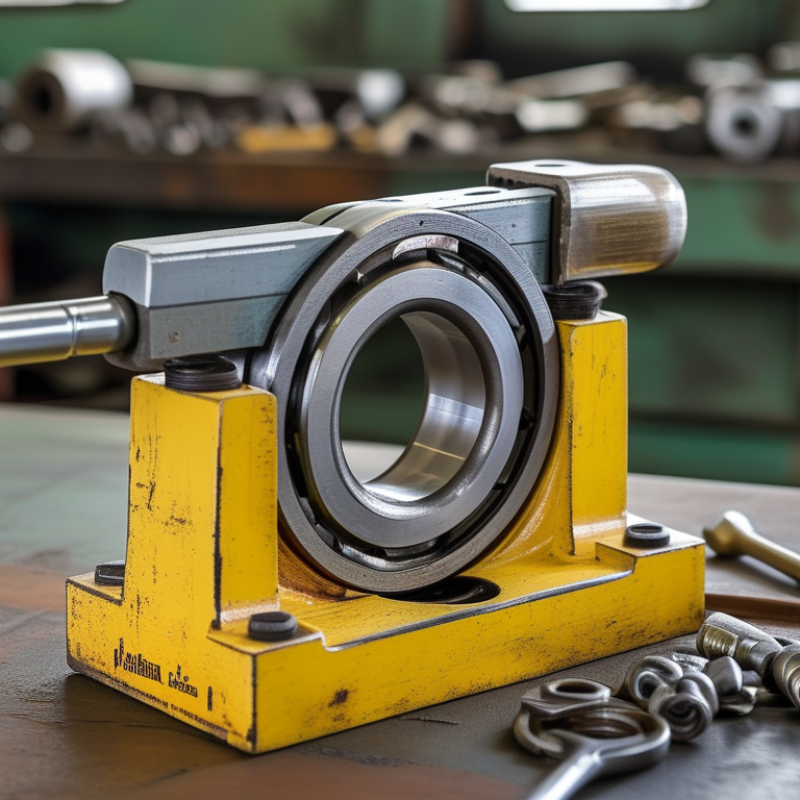
Pillow block bearings are essential for various machinery applications. They support rotating shafts and reduce friction. Commonly, they are found in conveyor systems, agricultural equipment, and manufacturing machines. Their design allows for easy mounting and alignment, making them popular in industrial settings.
In practical terms, understanding pillow block bearings means knowing how they fit within your machinery. They help maintain shaft alignment and absorb vibrations. This is critical in environments where precise operation is necessary. However, some users overlook regular maintenance.
Ignoring lubrication can lead to premature wear. Recognizing this oversight can enhance equipment lifespan.
Another key aspect is the installation. Incorrect alignment during setup often creates long-term issues. Users might find themselves redoing tasks due to oversight in this area. A closer look at the installation process is beneficial.
Strong foundations and attention to detail can prevent severe setbacks. Understanding these nuances fosters better results and effectiveness in applications.
Choosing the Right Pillow Block Bearing Puller for Your Needs
When selecting a pillow block bearing puller, consider your specific needs. The size of the bearings you frequently work with is crucial. Ensure the puller fits comfortably around the bearing without excessive force. A properly sized tool prevents damage and enhances efficiency.
Evaluate the construction of the puller. Many options feature durable materials that withstand rigorous use. However, cheaper models may wear out quickly. Look for a balance between cost and reliability. You want a tool that will last without breaking the bank.
Don't overlook ease of use. A user-friendly design saves time and effort during tasks. Some pullers have quick-release mechanisms. These can significantly streamline your workflow. Reflect on your experiences with different pullers. Consider which features benefited you most in the past. By focusing on your practical needs, you’ll make a wise purchase.
2026 How to Use a Pillow Block Bearing Puller Effectively? - Choosing the Right Pillow Block Bearing Puller for Your Needs
| Type of Pillow Block Bearing Puller |
Capacity (lbs) |
Jaw Configuration |
Material |
Price ($) |
| Standard Bearing Puller |
500 |
2 Jaws |
Steel |
45.99 |
| Heavy-Duty Bearing Puller |
1000 |
3 Jaws |
Aluminum |
89.99 |
| Mini Bearing Puller |
250 |
2 Jaws |
Plastic |
19.99 |
| Hydraulic Bearing Puller |
2000 |
2 Jaws |
Steel |
159.99 |
| Mechanical Bearing Puller |
750 |
3 Jaws |
Carbon Steel |
69.99 |
Step-by-Step Guide to Using a Pillow Block Bearing Puller
Using a pillow block bearing puller requires careful attention to detail. This tool is crucial for safely removing bearings from shafts. First, gather your materials: the puller, gloves, and safety glasses. Proper preparation sets the stage for success.
Position the puller around the bearing. Ensure it sits evenly. Incorrect attachment can lead to damage or injury. Tighten the puller until it securely grips the bearing. Apply steady pressure while observing for any signs of stress. Remember, too much force can ruin your components.
As the bearing begins to move, monitor the process. Listen for any unusual sounds. If resistance builds, gently adjust your setup. Rushing this step may cause complications. Patience is essential. After removal, inspect both the bearing and the housing. Look for wear and tear. Reflect on your technique for future improvement.
Safety Precautions When Using a Pillow Block Bearing Puller
When using a pillow block bearing puller, safety comes first. Always wear appropriate personal protective equipment, such as gloves and safety goggles. This shields you from potential injuries due to flying debris or sudden slips during removal. Working in a clutter-free space minimizes hazards as well.
Be cautious about your grip and body positioning. Securely mount the bearing puller to prevent it from slipping. Keep hands away from moving parts to avoid pinching or crushing injuries. It’s essential to work slowly and methodically. Rushing the process can lead to mistakes and increase injury risks.
Sometimes, even when you follow all precautions, issues arise. A puller might not engage properly with the bearing. If that happens, reassess your setup instead of forcing it. Take your time to understand the cause. Reflecting on these challenges can enhance your skills and confidence.
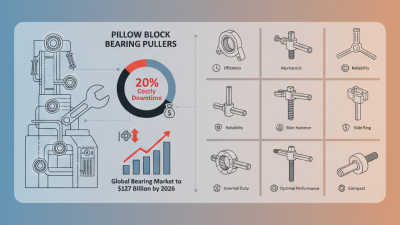
Usage Statistics of Pillow Block Bearing Puller
Maintenance Tips for Longevity of Pillow Block Bearing Pullers
Pillow block bearing pullers are essential tools for maintaining machinery. Proper maintenance of these tools ensures their effectiveness and longevity. Regular cleaning is crucial. After each use, wipe the puller with a clean cloth to remove grease and debris. This simple habit prevents corrosion. Additionally, inspect the puller's components for wear. Loose bolts or damaged parts can lead to failures during use.
Storage is another vital aspect of maintenance. Keep the puller in a dry place, away from moisture. Using a protective case can help prevent accidental damage. Ensure that the tool is not exposed to extreme temperatures. Heat can warp components, while cold can make materials brittle.
Lastly, lubricate moving parts to ensure smooth operation. Use the appropriate lubricant recommended for the tool. Applying too much can attract dirt. A little goes a long way. Reflecting on past experiences can reveal the importance of these tips. Neglect can lead to costly repairs or replacements. Proper care will extend the lifespan of the puller, ensuring reliable service for years to come.