Top Roller Bearing Trends at the 2026 Canton Fair?
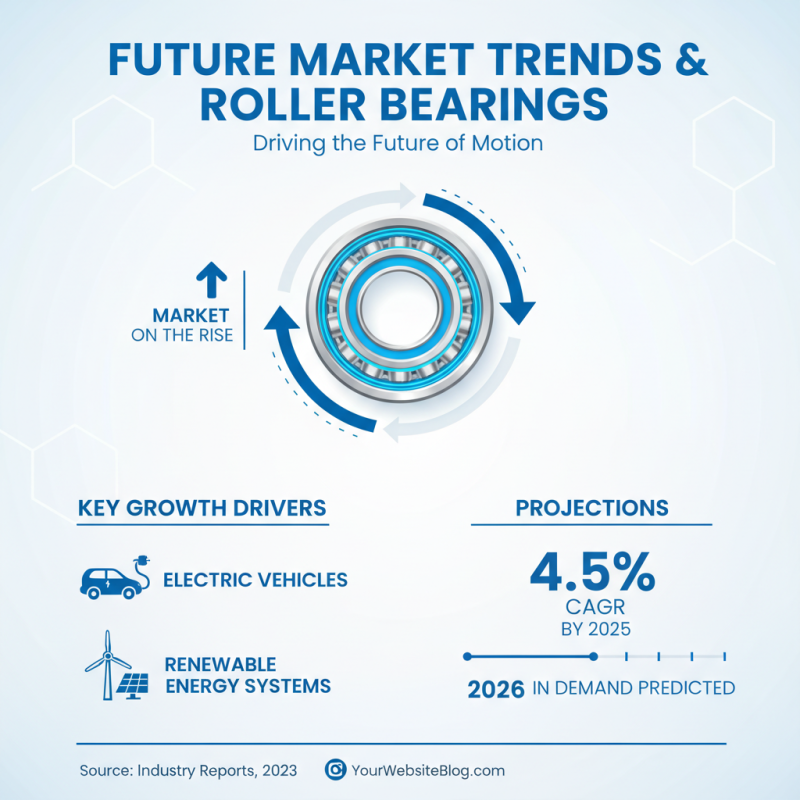
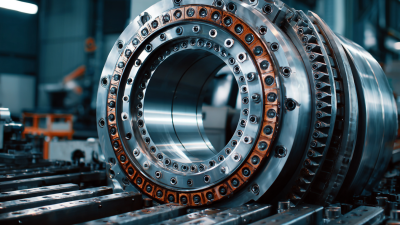
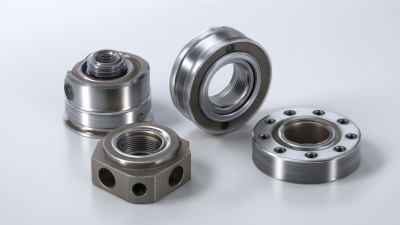
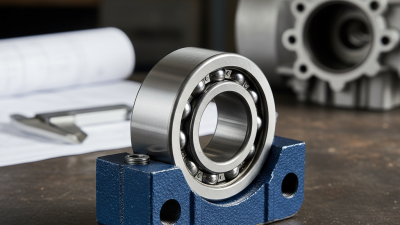
The 2026 Canton Fair is set to highlight significant trends in the roller bearing industry. This event, taking place from April 15 to May 5, will showcase innovative technologies. Roller bearing companies will focus on advanced manufacturing techniques that enhance performance and reliability.
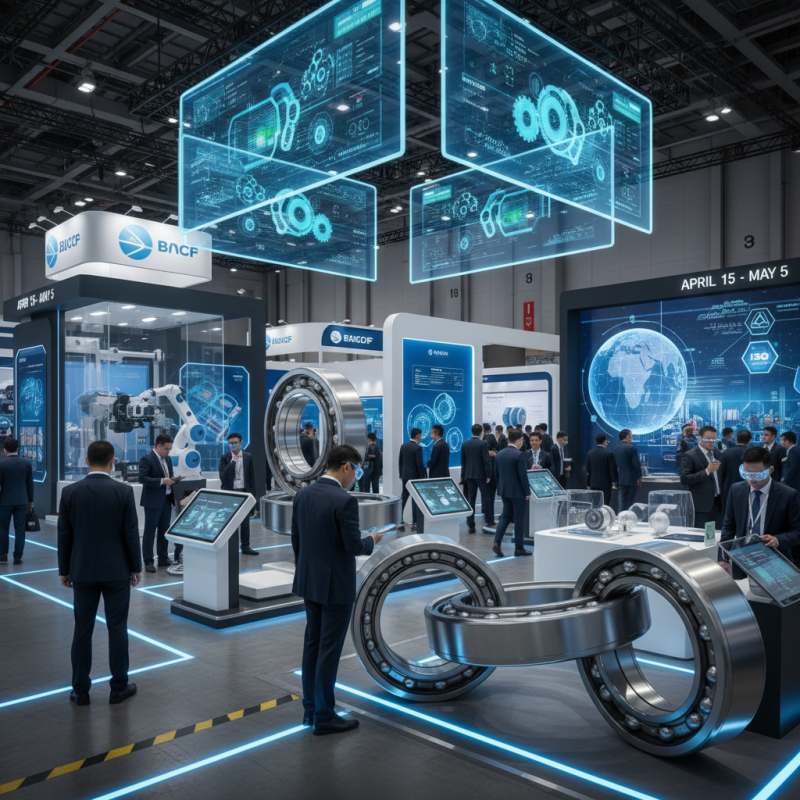
Exhibitors can use AI features to connect with qualified suppliers seamlessly. Efficient navigation through the expansive venue will accelerate business interactions. Roller bearings play a crucial role in machinery and electronic equipment, which are pivotal themes this year.
Despite these advancements, challenges remain. Companies must address quality control and certifications, such as ISO and CE. Some suppliers might not meet the stringent requirements, leading to potential issues. This creates an opportunity for improvement in the industry. Attendees will see both the achievements and shortcomings in roller bearing innovations.
Emerging Technologies in Roller Bearing Design at Canton Fair 2026
At the 2026 Canton Fair, roller bearing design is set to showcase exciting innovations. Emerging technologies are reshaping how these components are manufactured and used. For example, the integration of smart sensors in roller bearings promises real-time monitoring. This could significantly enhance performance and reliability in various applications.
One notable trend is the use of advanced materials. These materials can improve strength and reduce weight. Lightweight roller bearings can lead to energy savings in machinery. However, manufacturers must balance these benefits with cost implications. A frequent mistake is underestimating the challenges of new material integration.
Tip: Always consider the long-term cost versus performance benefits when selecting new components. It may be tempting to chase the latest technology, but practical application is key. Another tip is to explore collaborations with tech companies for better insights. Listen to user feedback on prototypes; it can lead to surprising improvements. Keeping an open mind in testing phases often reveals critical adjustments.
Sustainability Initiatives in Roller Bearing Manufacturing
The roller bearing industry is rapidly evolving with a focus on sustainability initiatives. Manufacturers are exploring eco-friendly materials to reduce environmental impact. Innovative production methods are emerging, emphasizing energy efficiency and waste reduction. These changes are crucial as the world faces climate challenges.
Some companies are investing in recycling programs. They aim to repurpose old bearings and minimize raw material use. However, these initiatives sometimes face obstacles. Not all old materials can be efficiently reused. Striking a balance between production and sustainability remains a challenge.
Another trend is the use of biodegradable lubricants. These products mitigate environmental harm while maintaining functionality. Yet, adoption can be slow due to performance concerns. Education is necessary to boost confidence in these alternatives. The commitment to sustainable practices is still a work in progress. It requires the entire industry to reflect and adapt continuously.
Innovative Applications of Roller Bearings Across Industries
Roller bearings are crucial in various industries today. Their innovative applications are reshaping sectors like automotive, aerospace, and manufacturing. For instance, in the automotive industry, roller bearings improve energy efficiency. They help vehicles run smoother, reducing fuel consumption. Efficient designs can last longer and contribute to sustainability goals.
In aerospace, roller bearings are redefining safety standards. They support lightweight construction without compromising strength. Advanced materials are often used to enhance performance. However, the challenge remains in managing costs versus innovation. Balancing these aspects is essential. Industry players often find it hard to stay ahead while maintaining affordability.
Manufacturing is another sector where roller bearings shine. From robotics to conveyor systems, they enhance precision and speed. The demand for customization is rising. Companies strive to meet specific needs for machinery. This shift poses challenges for standardization. Often, products designed for one application struggle in another. Addressing this gap is crucial for future advancements.
Key Manufacturers and Exhibitors to Watch at the 2026 Fair
The 2026 Canton Fair will be critical for roller bearing manufacturers and exhibitors. Attendees can expect to see
innovative designs and advanced manufacturing techniques. The focus is likely to be on sustainability and
efficiency. Many exhibitors will showcase eco-friendly materials. This aligns with global trends in reducing
carbon footprints.
Key manufacturers at the fair will likely present their latest products. Innovations in noise reduction and
vibration control are expected. Visitors will notice a variety of sizes and configurations available for
different applications. However, companies must consider the feedback they receive. Adapting products to meet diverse client needs is crucial.
In terms of technology, digital tools may take center stage. Exhibitors could use augmented reality for
interactive demonstrations. This offers a new perspective on roller bearings and their functionality. Yet, some companies may struggle to effectively
communicate complex ideas. Simplicity in presentation is often overlooked but vital. Engaging potential customers
is essential for success.