Essential Tips for Choosing the Right Ball Bearing?
Choosing the right ball bearing can significantly impact machinery performance. According to Dr. Michael Johnson, a leading expert in the ball bearing industry, “Selecting the correct ball bearing is crucial for efficiency and longevity.” Understanding the nuances of ball bearings is vital for engineers and manufacturers alike.
Ball bearings are essential components that reduce friction and improve motion. However, with countless options available, the selection process can feel overwhelming. Factors such as material, size, and load capacity must be considered carefully. An unsuitable choice can lead to equipment failure and costly downtime.
Many overlook the importance of precision in ball bearings. Small imperfections can lead to large issues over time. Reflecting on the selection process ensures that the right bearing is chosen. Striving for the best will lead to better operational efficiency and reliability. Remember, the right ball bearing is more than just a component; it's the heart of any mechanical system.
Understanding the Basics of Ball Bearings and Their Functions
Ball bearings are vital components in many machines. They reduce friction between moving parts, facilitating smooth rotation. Understanding how ball bearings work is crucial for selecting the right type for your needs.
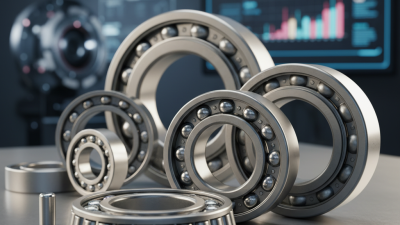
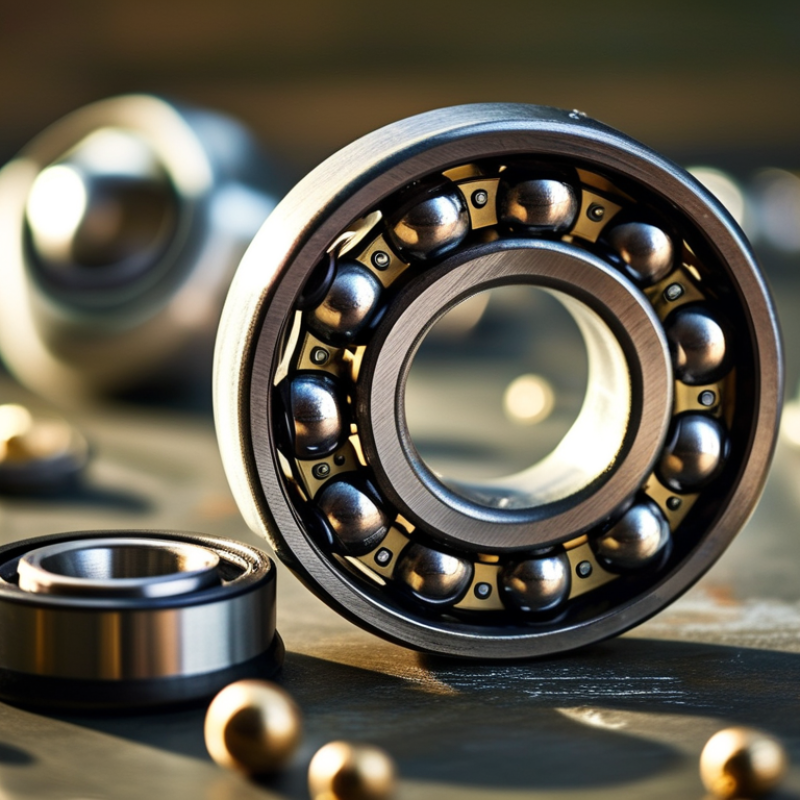
Each ball bearing consists of inner and outer rings, balls, and a cage. The balls take the load and allow motion. The choice of materials impacts durability and performance. Steel and ceramic are popular options. Each has its pros and cons, such as cost and resistance to corrosion.
Choosing the right size matters too. A mismatched size can lead to failures or inefficiencies. Careful consideration of load capacity and speed ratings ensures optimum performance. This process requires attention to detail and knowledge of the operating environment. Don't skip research; it pays off with reliable machinery.
Identifying Different Types of Ball Bearings for Specific Applications
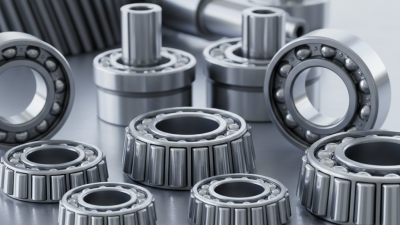
When selecting ball bearings, understanding their types is crucial. Different applications demand specific bearing designs. For instance, deep groove ball bearings are versatile and can handle radial and axial loads well. According to industry reports, they account for about 50% of the bearing market due to their cost-effectiveness and reliability.
For applications requiring higher speeds and precision, angular contact bearings are often preferred. These bearings can handle axial loads from both directions and are ideal for machinery that operates at high RPMs. The global market for angular contact bearings is projected to grow by 5% annually, reflecting their increasing use in aerospace and automotive sectors.
Another common type is self-aligning ball bearings, which are designed to accommodate shaft misalignment. They are especially useful in applications where equipment faces vibration. Recent data shows that industries notorious for high vibration, like mining, increasingly adopt this bearing type. However, selecting the wrong bearing can lead to premature failure. Thus, assessing the operational environment and compatibility is vital. Appropriate choices enhance longevity and efficiency, reducing long-term costs.
Types of Ball Bearings and Their Applications
Key Factors to Consider When Selecting Ball Bearings
When selecting ball bearings, several key factors should guide your decision. Material type is crucial. Common materials include steel and ceramic. Steel bearings are durable but heavier. Ceramic bearings are lighter and resistant to corrosion. Consider the environment where the bearing will operate. High temperatures or exposure to moisture can impact performance.
Load capacity is another vital factor. Determine the load the bearing must support. Selecting a bearing with insufficient load capacity can lead to premature failure. Similarly, pay attention to the speed rating. A bearing exceeding its speed rating will wear out quickly.
Bearings come in various sizes. Ensure the dimensions fit your application. Poor fit can cause friction and heat buildup. It's essential to account for tolerances. Slight mismatches might not seem significant; however, they can drastically affect longevity. Lastly, consider noise levels. Some applications require quiet operation, while others may not. Finding the right balance will ensure optimal performance.
Evaluating Material and Design Choices for Enhanced Performance
When selecting ball bearings, the choice of material and design plays a vital role. Steel is commonly used for its strength and durability. However, materials like ceramic can offer better corrosion resistance. Choosing the right material helps in enhancing longevity. Think about the environment in which the bearings will operate. High temperatures and moisture can degrade certain materials faster.
Design is equally important. A well-designed bearing reduces friction, leading to smoother operation. Considerations include the raceway profile and ball size. Alterations in these factors can impact load capacity and speed. It is essential to evaluate specific application needs. Many overlook the need for precision, leading to inefficiencies.
Moreover, reviewing the bearing’s load ratings and operating conditions can provide insights into performance expectations. Experimentation with different designs can yield better results. Trustworthy suppliers often provide valuable guidance on these aspects. However, do not assume all guidance is correct; always conduct diligence. Recognizing limitations in your knowledge can lead to better decisions. Understanding material properties and design characteristics ensures optimal performance.
Maintenance Tips to Ensure Longevity of Ball Bearings
When it comes to maintaining ball bearings, regular care is crucial for longevity. One important tip is to keep them clean. Dirt and grime can significantly affect their performance. Use a soft cloth to wipe down the exterior regularly. For the inner workings, a specialized cleaner can help eliminate buildup.
Mind the lubrication as well. Proper lubrication prevents friction and heat buildup. Use appropriate grease or oil that suits the operational environment. Apply it sparingly to avoid excess that can attract more dirt. Too much lubricant can be as detrimental as too little.
Lastly, monitor for unusual sounds. If you hear grinding or other irregular noises, investigate immediately. This could be a sign of wear or contamination. Early detection can prevent more significant damage, saving time and costs. Reflecting on these practices regularly will contribute to better maintenance outcomes.