What are Pillow Block Bearings and Shaft Applications?
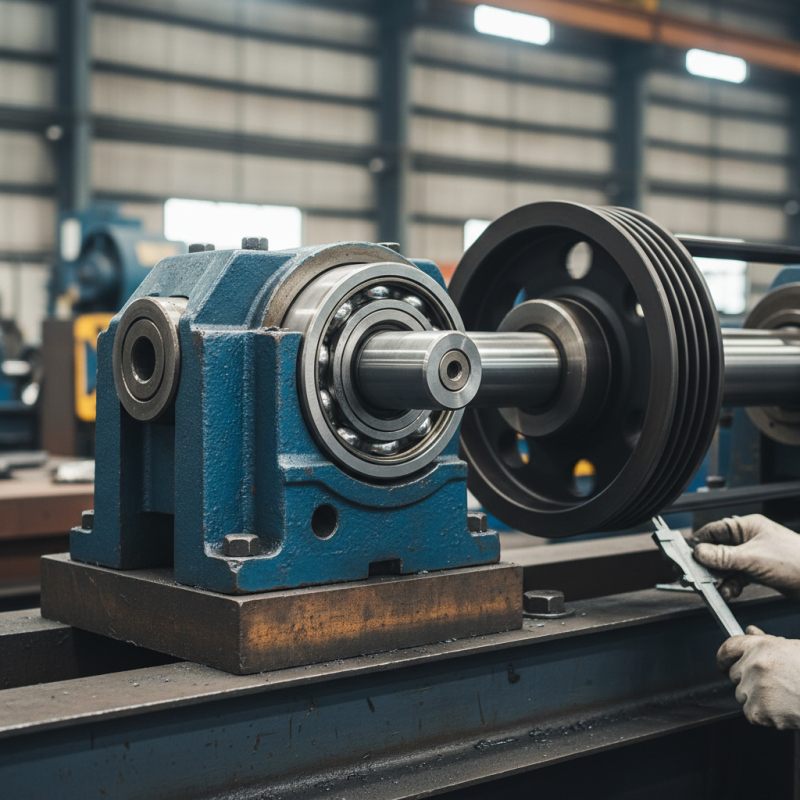
Pillow block bearings and shafts are essential components in various machinery. They support rotating shafts and ensure smooth movement. Industry expert John Smith once stated, "Pillow block bearings provide the stability needed for effective shaft function." His insights underline the importance of these components.
In many applications, pillow block bearings serve as a critical link between the shaft and its housing. They absorb loads and minimize friction. However, choosing the wrong type can lead to premature failure. Observing these components is essential for optimal performance.
Despite their reliability, users often overlook maintenance. Regular inspections can prevent unexpected downtime. Understanding pillow block bearings and shafts is crucial for engineers and operators. It fosters informed decision-making and enhances equipment longevity. Ignoring these factors may lead to costly repairs.
Understanding Pillow Block Bearings: Definition and Purpose
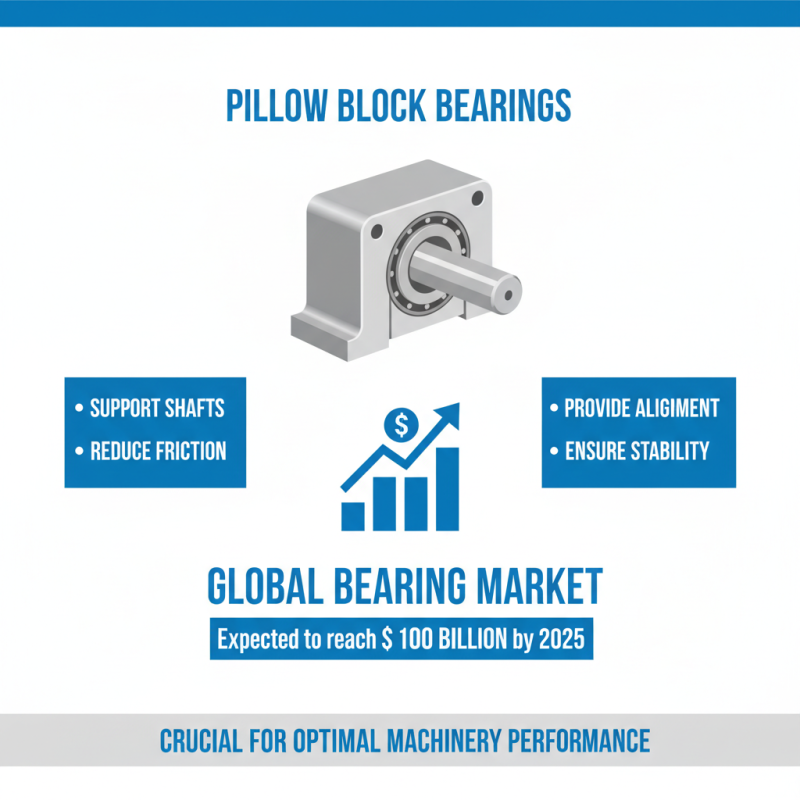
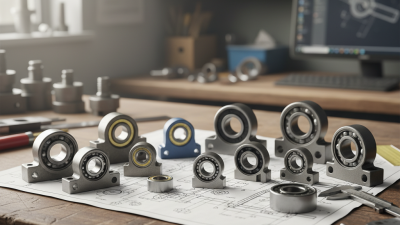
Pillow block bearings are crucial components in many machinery systems. They support the shaft and reduce friction. By providing alignment and stability, they ensure optimal performance. Reports indicate that the global market for bearing technology is expected to reach $100 billion by 2025. This growth highlights their importance in various industries.
These bearings come in different designs. Each type serves a specific purpose. For instance, some are designed for high-load applications, while others excel in high-speed environments. The choice of pillow block bearing affects overall efficiency. Poor selection can lead to increased wear and frequent maintenance. Data from industry studies show that improper bearing installation can decrease lifespan by up to 30%.
Understanding the applications is vital. Pillow block bearings find use in industries such as agriculture, manufacturing, and construction. They support rotating shafts and absorb loads. However, choosing the right type requires careful thought. Factors like load capacity and operating environment play a critical role. Hence, engineers must weigh options and analyze conditions to avoid costly mistakes.
Key Components of Pillow Block Bearings and Their Functionality
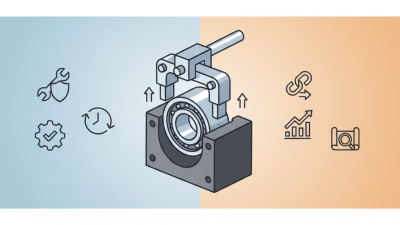
Pillow block bearings are essential components used in various industries. They are designed to support rotating shafts. Their structure includes a mounting block and a bearing. This design allows for better alignment and stability. The functionality of pillow block bearings hinges on their key components, which include the bearing itself, housing, and a bolt system.
The housing typically consists of robust materials, providing durability and strength. Bolts secure the bearing in place, ensuring it doesn’t displace during operation. The inner workings of the bearing facilitate smooth rotation, reducing friction. Lubrication plays a crucial role here, as insufficient levels can lead to friction and damage. Monitoring oil levels is vital for optimal performance.
Furthermore, installation must be executed with precision. Misalignment issues can arise, affecting overall efficiency. Regular maintenance is necessary to extend the life of pillow block bearings. Observing wear and tear can prevent catastrophic failures. Reflecting on these aspects can lead to improved practices and better applications.
What are Pillow Block Bearings and Shaft Applications? - Key Components of Pillow Block Bearings and Their Functionality
| Component |
Functionality |
Material |
Common Applications |
| Pillow Block |
Supports and houses the bearing, allowing for easy installation and alignment |
Cast iron or composite materials |
Conveyor systems, fan assemblies, and other rotating machinery |
| Bearing |
Reduces friction between the shaft and the housing |
Steel, ceramic, or plastic |
Automotive, machinery, and HVAC units |
| Shaft |
Transmits power from motor to equipment |
Steel or aluminum |
Motors, pumps, and generators |
| Set Screws |
Secures the bearing to the shaft |
Steel |
Used in various assembly applications |
Common Shaft Applications for Pillow Block Bearings
Pillow block bearings are essential components in various shaft applications. They support shafts and enable smooth rotation. Commonly used in industries, these bearings come in various designs. Their main function is to provide stability and reduce friction during operation.
In manufacturing, pillow block bearings can be found in conveyor systems and machine tools. These applications demand reliability and efficiency. Belt drives and roller systems also utilize these bearings. Proper alignment is crucial for optimal performance. Sometimes, misalignment occurs, leading to inefficient operation. Regular inspections can mitigate this issue.
Another area where these bearings shine is in agricultural equipment. They support rotating shafts in harvesters and tractors. The harsh environments in farming require durable components. Occasionally, bearings may wear out faster due to dirt and debris. Choosing the right housing is important for longevity. These details can make a significant difference in maintaining equipment efficacy.
Pillow Block Bearings Common Shaft Applications
Advantages of Using Pillow Block Bearings in Industrial Settings
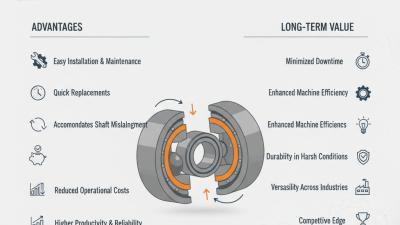
Pillow block bearings play a crucial role in various industrial applications. These bearings provide support to rotating shafts and reduce friction. Their simple design allows for easy installation and maintenance. In environments where heavy loads are common, they offer enhanced durability. This translates to reduced downtime and increased productivity. Companies benefit from using pillow block bearings, especially in manufacturing and material handling.
Tips: Always ensure proper alignment during installation. Misalignment can lead to premature wear. Check bearing temperatures regularly to prevent overheating. A small routine can save costs later on.
The advantages of pillow block bearings are numerous. They can withstand harsh environmental conditions. Their robust nature makes them ideal for outdoor use. Additionally, they often include seals that protect against dirt and moisture. However, it is crucial to select the right type for your needs. Overestimating capacity can lead to failures. Therefore, consult with experts when choosing the appropriate bearings for your setup.
Maintenance and Troubleshooting for Pillow Block Bearings and Shafts
Pillow block bearings are essential in many industrial applications. Regular maintenance is crucial to ensure their longevity and performance. It is estimated that up to 70% of bearing failures are due to improper lubrication or contamination. Maintaining proper lubricant levels can drastically reduce wear and tear.
Inspecting pillow block bearings and shafts for signs of wear is vital. Look out for unusual noise or vibration. A report by the Bearing Reliability Institute indicates that early detection of these issues can prevent costly downtime. For instance, implementing routine checks can extend bearing life by up to 50%.
Troubleshooting common problems can be challenging. Overheating is a frequent issue and can indicate inadequate lubrication or misalignment. Ensuring proper alignment can be tricky but is necessary for smooth operation. Addressing these maintenance aspects requires diligence and a proactive approach.