Pillow Block Bearing Types and Tips for Choosing the Right One?
Choosing the right pillow block bearing types can significantly impact machinery performance. According to a report by the International Bearing Association, the global demand for these components is expected to grow by 5% annually over the next five years. This trend highlights the importance of selecting the right types suited for specific applications.
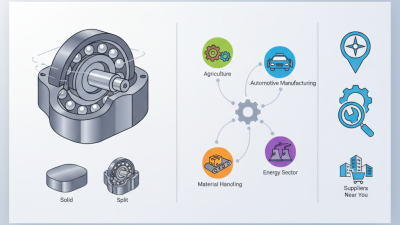
John Smith, a leading expert in bearing technology, states, "Selecting the correct pillow block bearing type is critical for operational efficiency." His insight reflects the industry's understanding of the pivotal role these bearings play. With numerous types available, including flanged, solid, and split housings, each has unique benefits and limitations.
Pillow block bearings support rotating shafts and reduce friction. Understanding how to choose the right type can prevent inefficiencies and costly disruptions. However, many overlook their specific requirements, leading to performance issues. Reflecting on this, businesses must prioritize thoughtful selection, evaluating both application needs and the characteristics of available pillow block bearing types.
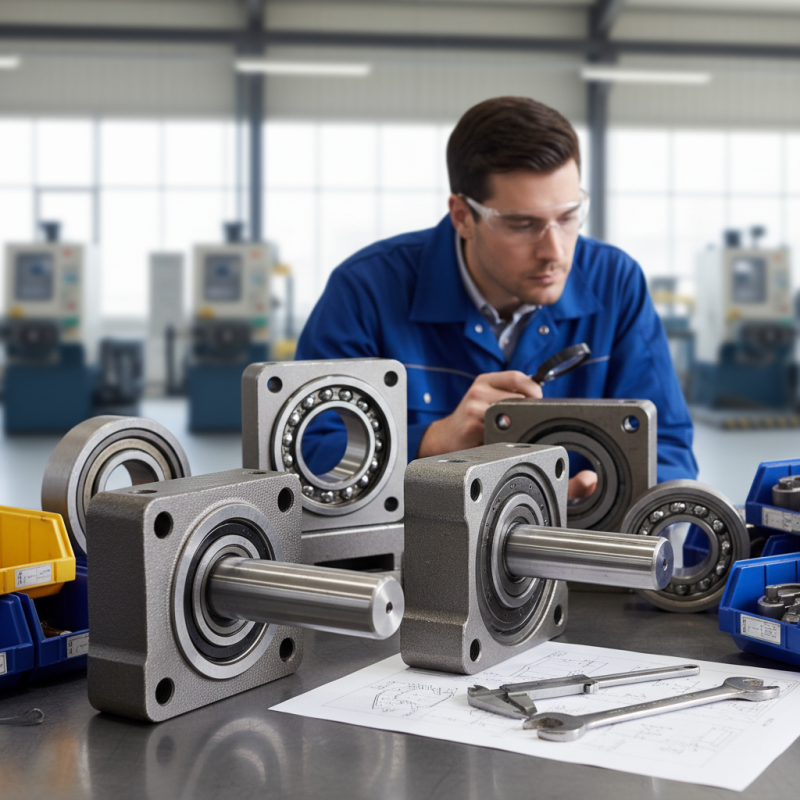
Types of Pillow Block Bearings and Their Unique Features
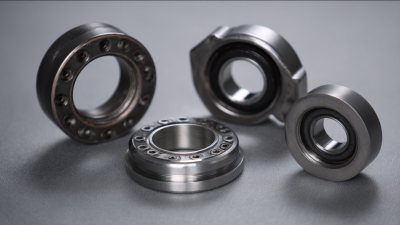
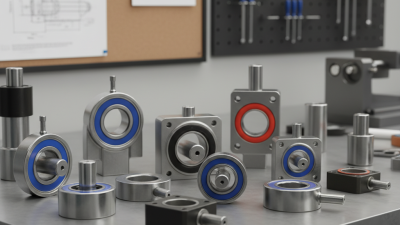
Pillow block bearings come in various types, each designed for specific applications. These bearings support rotating shafts and offer unique features. The most common types include cast iron, steel, and thermoplastic versions.
Cast iron pillow blocks provide excellent durability and strength, making them ideal for heavy machinery.
Steel variants are known for their resistance to wear but can be prone to corrosion if not properly maintained.
Thermoplastic pillow block bearings offer lightweight options, which are excellent for applications where weight is critical. They have good chemical resistance, making them suitable for harsher environments. According to a recent market report, the demand for thermoplastic bearings has increased by 15% over the past three years. This trend highlights their growing popularity in various sectors, including food processing and pharmaceuticals.
When choosing a pillow block bearing, consider the environment and load requirements. Incorrect selection can lead to premature failure, resulting in costly downtime. It’s crucial to account for factors such as temperature, exposure to chemicals, and vibration levels. While many users prefer standard options, custom solutions may be necessary for specific conditions. This can complicate the decision process, prompting the need for careful evaluation of operational needs.
Common Applications of Pillow Block Bearings in Various Industries
Pillow block bearings are essential components in many industries. They are used to support rotating shafts, providing stability and alignment. One common application is in conveyor systems. These systems transport materials efficiently. Pillow block bearings ensure smooth movement, reducing friction and wear.
In agricultural machinery, pillow block bearings play a vital role. They are commonly found in tractors and harvesters. These bearings endure heavy loads and harsh conditions. Regular maintenance is crucial; otherwise, equipment could fail unexpectedly. Another industry that relies on them is manufacturing. Here, they support motors and other rotating elements. Misalignment can cause severe downtime and repair costs.
Pillow block bearings also serve the automotive sector. They are crucial in wheel assemblies and transmission systems. Engineers must choose the right type to avoid issues. Sometimes, manufacturers overlook the specific requirements. This can lead to performance problems later. Understanding common applications is key to making the right choices.
Pillow Block Bearing Types and Their Application Frequencies
Factors to Consider When Choosing the Right Pillow Block Bearing
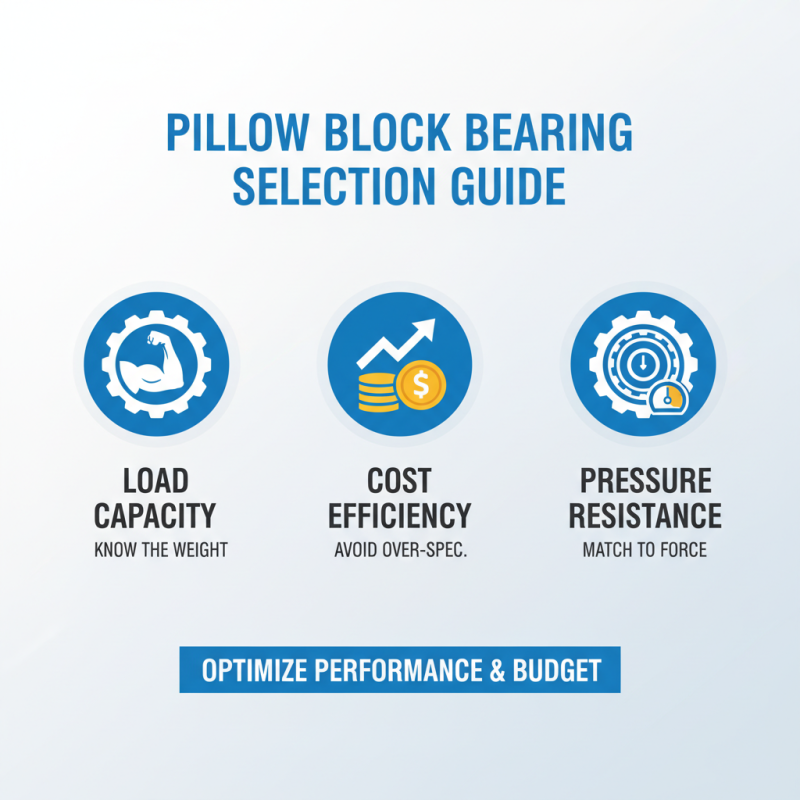
When selecting a pillow block bearing, several factors should be considered carefully. The load capacity is crucial. Know the weight that the bearing will support. Too light of a bearing can fail under pressure. On the other hand, over-specifying can lead to unnecessary costs.
The environment also plays a significant role. Will it face dust, moisture, or extreme temperatures? Choose a bearing with appropriate seals or coatings. This can improve durability in harsh conditions. Don't forget about the shaft size. It must match the bearing's inner diameter precisely. An ill-fitting bearing can lead to malfunction.
Here are some tips for choosing the right pillow block bearing. Always check the recommended operating speed. High speeds require different materials or designs. Try to visualize how the bearing fits into your system. A good fit matters; it affects performance and lifespan. Lastly, consult with experts if unsure. Missteps in selection can cause problems down the line. It's worth the effort to get it right.
Maintenance Tips for Ensuring Longevity of Pillow Block Bearings
Maintaining pillow block bearings is crucial for their durability. Regular inspections can help catch issues early. Look for signs of wear or unusual noise. Cleanliness is key. Dust and debris can cause premature failure.
Lubrication is vital for smooth operation. Use the recommended grease type and ensure it’s applied at the correct intervals. Over-lubricating can lead to sealed problems. Be mindful of the operating environment. Temperature and humidity can affect performance.
Education on proper installation is also essential. Misalignment during setup can result in increased wear. Review installation guidelines carefully. Always take time to assess the setup. Avoid hasty decisions that could lead to future complications. Balancing attention to detail with efficient processes can save time and resources.
Pillow Block Bearing Types and Tips for Choosing the Right One
| Bearing Type |
Load Capacity (lbs) |
Operating Temperature Range (°F) |
Lubrication Type |
Typical Applications |
| Standard Pillow Block Bearing |
1000 |
-20 to 200 |
Grease |
Conveyor systems |
| Flanged Pillow Block Bearing |
800 |
-4 to 250 |
Oil |
Automotive |
| Heavy Duty Pillow Block Bearing |
1500 |
-40 to 300 |
Grease |
Mining equipment |
| Corrosion-Resistant Pillow Block Bearing |
600 |
-20 to 212 |
Grease |
Food processing |
| Stainless Steel Pillow Block Bearing |
700 |
-40 to 250 |
Oil |
Marine applications |
Comparing Pillow Block Bearings: Cost, Quality, and Performance Factors
Pillow block bearings are essential in various applications. When selecting one, cost, quality, and performance are crucial factors. A pillow block bearing's price can vary widely based on material and design. Sometimes, spending less can lead to quicker wear. Choosing low-cost options may seem attractive initially. However, they can result in higher long-term costs due to replacement needs.
Quality plays a vital role in the performance of pillow block bearings. Well-constructed bearings tend to have better load capacities and lifespan. They handle stress effectively, reducing the risk of failure. Performance is not only about material quality; it's also influenced by installation. An improperly installed bearing may not function optimally. This poor installation can lead to increased friction and wear. It’s essential to balance all these factors to ensure reliable operation.
While cost is a major concern, durability can save money in the long run. A higher-priced bearing may offer more value through longevity. Performance assessments can be challenging, as some bearings perform well initially but fail soon after. It's important to analyze customer reviews and seek detailed specifications. Reflection on past experiences with different options can guide better choices. Ultimately, the right pillow block bearing will depend on specific application needs.