Top Pillow Block Bearing Puller Types for Efficient Maintenance?
In the field of maintenance, the importance of choosing the right tools cannot be overstated. The Pillow Block Bearing Puller is one such essential tool. It enables efficient removal and servicing of bearings, minimizing downtime in machinery. According to industry expert John Smith, “A reliable Pillow Block Bearing Puller can save you hours of work.” His insights shed light on the puller's vital role in maintenance practices.
In transitioning from one maintenance task to another, having the right tool is critical. Many technicians overlook the nuances between different puller types. Each design serves a specific purpose and can impact service efficiency. Not all Pillow Block Bearing Pullers are created equal. Some may struggle under high loads, leading to potential frustration and time loss.
Maintenance professionals must reflect on their tool choices. An ineffective puller can complicate even simple tasks. Evaluating different Pillow Block Bearing Puller types is essential for optimal performance. Understanding specific needs allows for better decisions, ensuring that maintenance processes run smoothly and efficiently.
Overview of Pillow Block Bearings and Their Importance in Maintenance
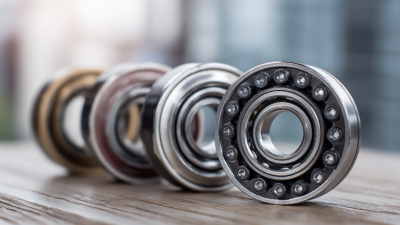
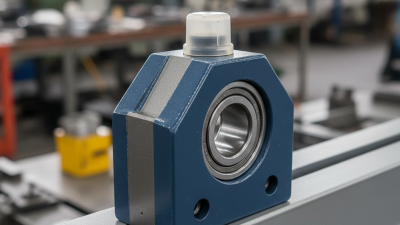
Pillow block bearings play a crucial role in supporting rotating shafts. They are frequently used in various machinery applications, from conveyor systems to industrial equipment. Proper maintenance of these bearings is important for ensuring smooth operations. However, many overlook this critical aspect until problems arise.
Regular inspection can prevent failures. Checking for wear and tear provides insights into their condition. Often, people neglect this step. They assume everything works fine until a breakdown occurs. Using the right tools, such as bearing pullers, makes disassembly easier. These tools can reduce the risk of damaging the bearings during maintenance.
Damage can be costly, both in time and resources. Understanding the types of pillow block bearings can aid in selecting the appropriate puller. Different designs require different pullers for effective removal. Inadequate tools can lead to frustration and further issues. A deep understanding of these components fosters better maintenance practices.
Top Pillow Block Bearing Puller Types for Efficient Maintenance
| Puller Type |
Description |
Advantages |
Best Use Case |
| 2-Jaw Puller |
A simple design with two jaws for gripping the bearing. |
Quick setup, suitable for small to medium bearings. |
Frequent maintenance on light-duty applications. |
| 3-Jaw Puller |
Features three jaws for a balanced grip on larger bearings. |
Provides better stability and grip compared to 2-jaw pullers. |
Medium to large bearings requiring precision removal. |
| Hydraulic Puller |
Uses hydraulic pressure to remove stubborn bearings. |
Effortless operation and ideal for heavy-duty applications. |
Heavy machinery and industrial equipment maintenance. |
| Mechanical Puller |
Manual mechanism using a screw drive for pulling bearings. |
Cost-effective and doesn’t require external power. |
Light to medium-duty jobs where power supply is limited. |
| Self-Centering Puller |
Automatically centers itself on the bearing for even pulling. |
Reduces the risk of damage to bearings during removal. |
Precision applications where bearing integrity is crucial. |
Common Challenges in Removing Pillow Block Bearings
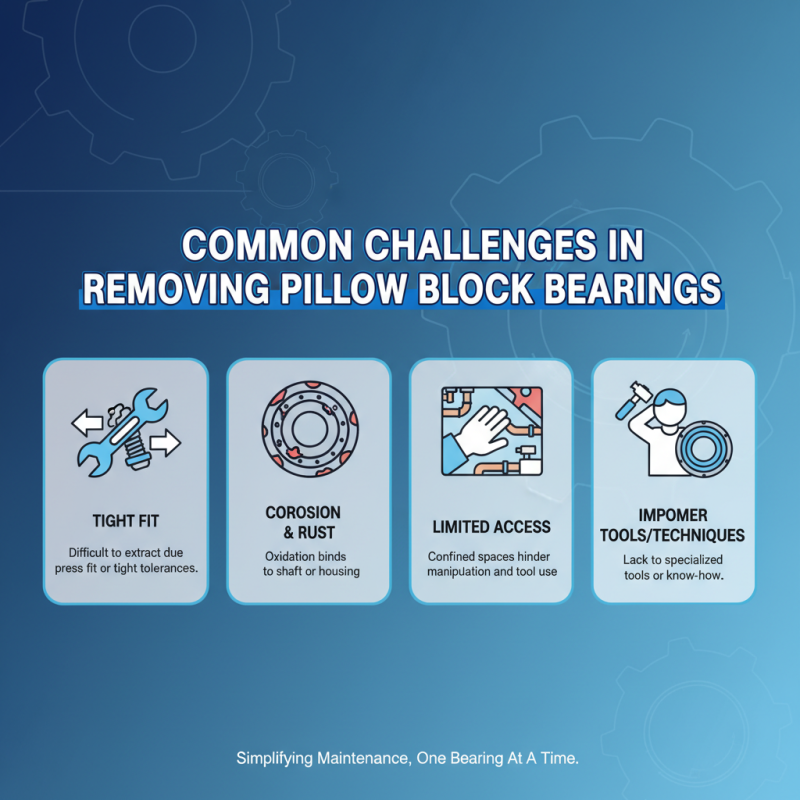
Removing pillow block bearings can be quite challenging. The fit may be tight, making extraction difficult. Corrosion or rust can exacerbate the situation, turning a simple removal into a strenuous task. Additionally, limited access to the bearing can hinder your efforts. This frustration is often amplified by a lack of proper tools or techniques.
When dealing with stubborn bearings, a few tips can make a difference. First, ensure you have the right puller. A well-fitted puller avoids damage. Choose one that aligns well with the bearing size and shape. Sometimes, heating the housing can help expand the metal, making removal easier. Use a heat source carefully to avoid overheating sensitive components.
Remember, patience is key. Rushing can lead to mistakes. When a bearing doesn't budge, take a step back. Analyze the situation; perhaps a different technique is needed. Sometimes, a gentle hammer tap can dislodge rust without causing harm. Regular maintenance can prevent these issues, but if they arise, adjusting your approach is essential.
Types of Pillow Block Bearing Pullers Available
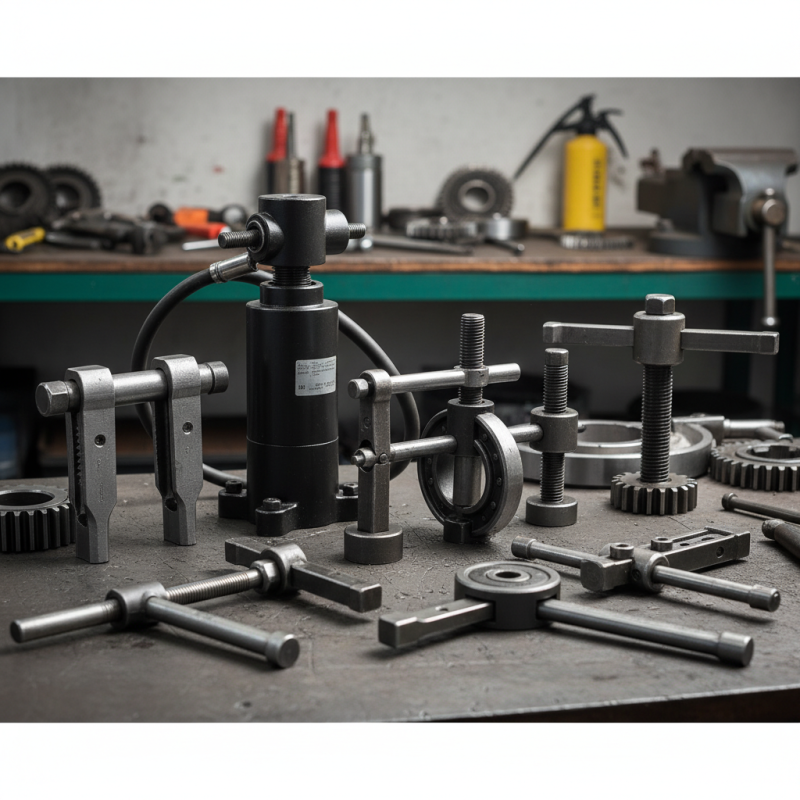
When it comes to pillow block bearing pullers, several designs cater to different needs. One common type is the hydraulic puller, which uses fluid pressure to remove bearings. This tool is quite powerful and can handle larger components. However, it requires proper setup and maintenance. If not handled correctly, it can cause damage to the machinery.
Another option is the mechanical puller. This type often features adjustable arms, providing flexibility in various applications. While it's easy to use, its effectiveness will depend on the level of force applied. It might not be suitable for all bearing sizes, leading to challenges. Users should double-check compatibility before usage.
Lastly, the two-jaw and three-jaw pullers are popular for their simplicity. Two-jaw pullers work well in tight spaces but lack stability. Three-jaw pullers provide better grip on bearings but may not fit in narrow areas. It’s crucial to evaluate the situation before selecting a type. Choosing the right puller can significantly impact maintenance efficiency, so careful consideration is essential.
Top Pillow Block Bearing Puller Types for Efficient Maintenance
How to Choose the Right Pillow Block Bearing Puller
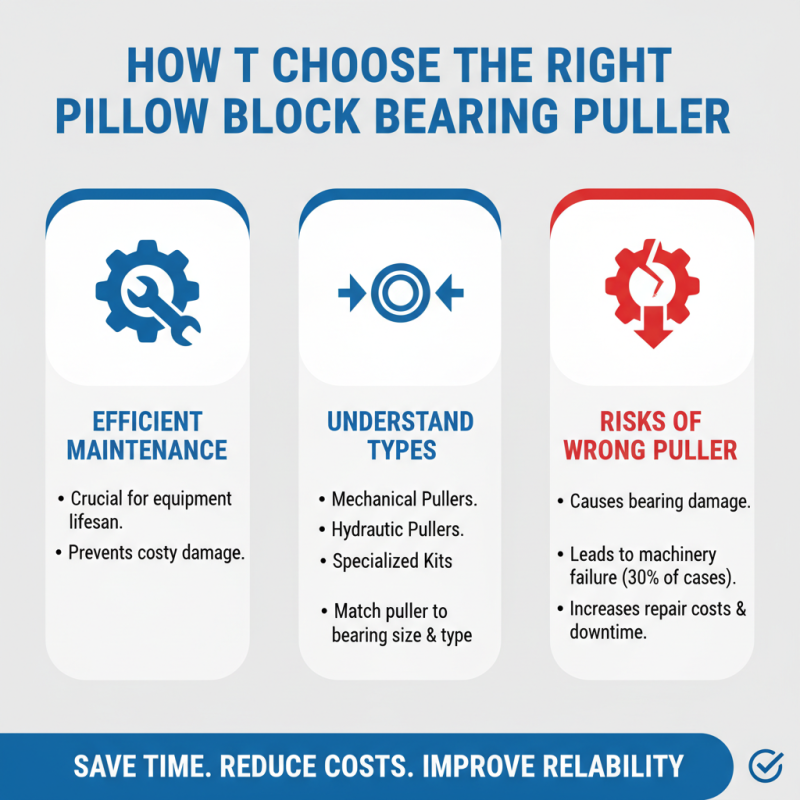
Choosing the right pillow block bearing puller is crucial for efficient maintenance. Understanding the types available can significantly affect your equipment's lifespan and performance. According to recent industry reports, about 30% of machinery failures stem from improper bearing removals. An ineffective puller can cause damage, leading to costly repairs and downtime.
There are three main puller types: mechanical, hydraulic, and pneumatic. Mechanical pullers are versatile and easy to use. However, they may struggle with larger or stubborn bearings. Hydraulic pullers offer more power, which can be essential for stubborn components. Reports show they reduce removal time by over 40%. Pneumatic pullers work quickly and efficiently but require a reliable air source.
Selecting the right puller hinges on understanding your specific needs. Consider the bearing size, type, and condition before purchasing. A mismatched puller can lead to tool wear or even personal injury. It's not always obvious which option to choose, and trial and error can waste time and resources. Therefore, take time to evaluate your equipment and operation environment.
Best Practices for Using Pillow Block Bearing Pullers Efficiently
When working with pillow block bearings, having the right puller is essential. Efficient use of these tools can extend bearing life and enhance machinery performance. Start by selecting a puller that fits your bearing size correctly. A mismatch can lead to damage or ineffective pulling.
Tips: Always inspect the bearings before use. Look for signs of wear or damage. This can save time and prevent further issues.
During the pulling process, apply steady pressure. Avoid jerky movements. They can cause misalignment and increase the risk of damage. Additionally, using a lubricant can assist in easing the bearing off the shaft. Remember that not all pullers are created equally. Some may require more finesse than others.
Tips: Ensure your workspace is organized. A cluttered area can lead to accidents. Take a moment to arrange your tools before starting.
Be mindful of your techniques. Patience is crucial. Rushing could lead to mistakes and wasted effort. If a bearing does not come off easily, stop and reassess. Forcing it can result in damage to both the puller and the bearing itself.