How to Choose the Right Ucp Bearing for Your Needs?
Selecting the right Ucp Bearing is crucial for various industries, including manufacturing and automotive. Ucp Bearings serve as essential components in machinery, supporting loads and reducing friction. According to a report by MarketsandMarkets, the bearing market is projected to reach $97.5 billion by 2025. This growth underlines the increasing demand for efficient and reliable bearings.
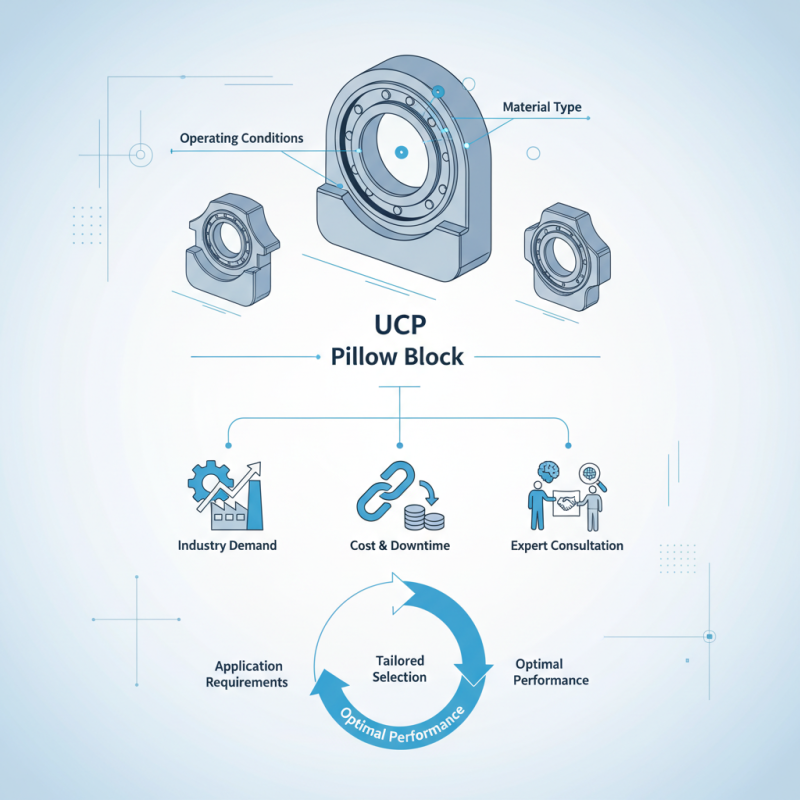
When choosing a Ucp Bearing, several factors must be considered. These include load capacity, operating conditions, and material type. A small oversight in selecting the correct bearing can lead to significant downtime and increased costs. In a study conducted by the American Bearing Manufacturers Association (ABMA), it was noted that improper bearing selection could cause performance issues in over 30% of machinery failures.
Expert understanding is vital in this selection process. Consulting knowledgeable suppliers or engineers can provide insights that prevent costly mistakes. It's important to reflect on the specific requirements of your application. A tailored approach can ensure optimal performance and longevity of Ucp Bearings while mitigating potential risks.
Understanding UCP Bearings: Key Features and Specifications
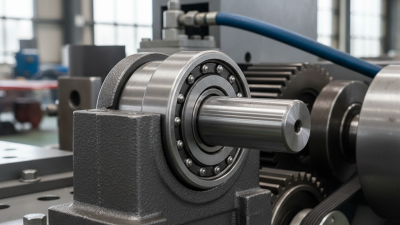
When selecting UCP bearings, understanding their key features is essential. UCP stands for Universal Cartridge Pillow Block bearing. These components support rotating shafts, enhancing performance and reliability. Key specifications include load ratings, material, and mounting options.
Tip: Always consider the load capacity required for your application. Overloading bearings can reduce their lifespan.
Material choice also affects durability. Common materials include cast iron and stainless steel. Each has unique properties suitable for different environments. For example, stainless steel is ideal for moisture-prone applications.
Tip: Examine the operating conditions before finalizing your choice. An unsuitable environment can lead to premature failure.
Mounting options like bolt spacing and orientation determine how well UCP bearings fit in specific setups. Proper alignment is crucial for performance.
Tip: Regular maintenance is vital. Check for misalignment or wear periodically to ensure longevity.
Types of UCP Bearings: Which One Suits Your Application?
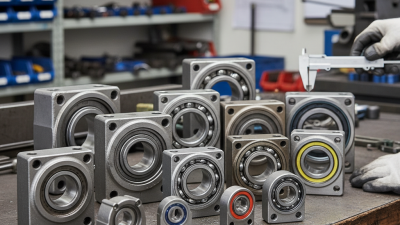
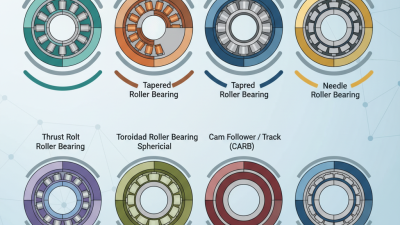
When selecting a UCP bearing, consider the application demands. Different types of UCP bearings cater to distinct needs. Common types include pillow block bearings, flanged bearings, and take-up bearings. Each type has its unique features and advantages, fitting specific environments.
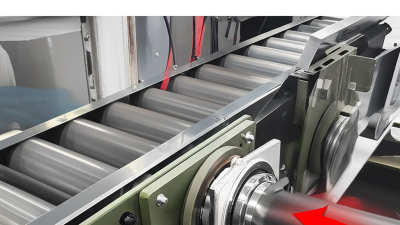
Pillow block bearings are ideal for heavy loads and rugged conditions. Their robust design allows for easy mounting, making them a popular choice in industrial settings. Flanged bearings, on the other hand, provide versatile installation options. They offer stability and are typically used in more compact setups. Take-up bearings are excellent for adjusting tension in conveyor systems, providing flexibility in long installations.
The choice of UCP bearing affects performance significantly. Selecting the wrong type can lead to premature wear or failure. It’s crucial to evaluate factors like load capacity and environmental conditions. Regular inspections and maintenance can help identify issues early, allowing for informed adjustments in bearing selection. Understanding these nuances enhances reliability and efficiency.
Factors to Consider When Selecting UCP Bearings
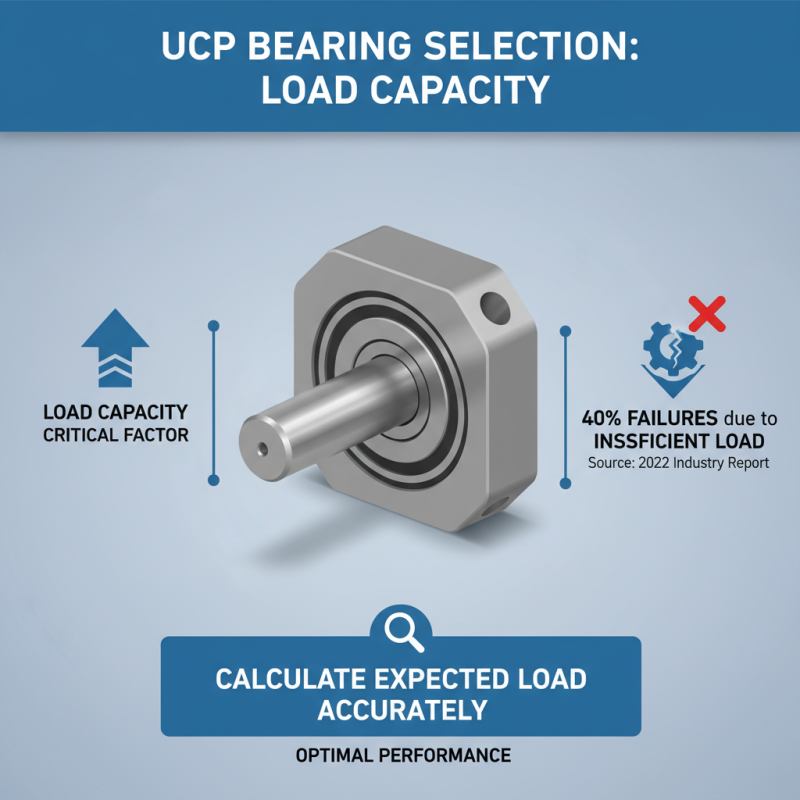
When selecting UCP bearings, several critical factors must be evaluated to ensure optimal performance. Load capacity is paramount. UCP bearings are designed to support heavy loads, but understanding your specific needs is crucial. According to a 2022 industry report, nearly 40% of bearing failures are due to insufficient load capacity. This underscores the importance of calculating the expected load accurately.
In addition to load capacity, the operating environment plays a significant role in selection. Factors such as temperature, moisture, and contaminants can greatly impact bearing longevity. A recent study highlighted that bearings exposed to harsh conditions have a life span reduced by up to 60%. Therefore, it is essential to choose materials and seals that can withstand specific environmental challenges.
Another key consideration is the bearing alignment. Poor alignment can lead to premature wear. According to engineering surveys, misalignment accounts for approximately 25% of bearing failures. A deep understanding of the application can help mitigate this risk. Gathering precise data on operational dynamics will ultimately guide users towards selecting the best UCP bearing for their requirements.
Evaluating Load Capacity and Operating Conditions in UCP Bearings
When choosing UCP bearings, evaluating load capacity is critical. Load capacity determines how much weight a bearing can support without failing. According to a recent industry report, ensuring the load rating exceeds your application’s requirements by at least 20% is advisable. This buffer helps account for unexpected stresses that may arise during operation.
Operating conditions are equally important. Factors such as temperature, humidity, and exposure to contaminants can significantly impact bearing performance. For instance, high temperatures can reduce lubricant effectiveness, potentially leading to premature bearing failure. A report from the Bearing Specialists Association highlighted that over 30% of bearing failures are linked to inadequate operating conditions. This statistic emphasizes the need to assess environmental factors carefully when selecting UCP bearings.
Keep in mind that not all UCP bearings are made equal. Variations in materials and design can affect longevity. Conducting thorough research can be time-consuming, but neglecting proper evaluation can lead to costly downtime. Understanding your specific needs and the conditions under which your bearings will operate is crucial for making informed decisions.
Maintenance Tips for Prolonging UCP Bearing Lifespan
Maintaining UCP bearings is crucial for their longevity. Regular inspection is essential. Check for signs of wear or damage. A small scratch can lead to larger issues. Dust and debris can infiltrate the bearing, causing premature failure. Keep the area clean.
Lubrication plays a critical role in the performance of UCP bearings. Use the correct type of lubricant. Over-greasing or under-greasing can cause problems. Follow the manufacturer’s guidelines closely. It is important to balance the amount used. Too much can attract dirt, while too little leads to wear.
Finally, temperature management is key. UCP bearings can be sensitive to heat. Elevated temperatures can degrade materials faster. Monitor the operating environment regularly. If high temperatures are common, consider additional cooling measures.
Reflect on how often you check these factors. Small oversights can result in significant setbacks. Aim for consistent upkeep to prolong the lifespan of your UCP bearings.