How to Choose the Right Pillow Block Flange Bearing for Your Needs?
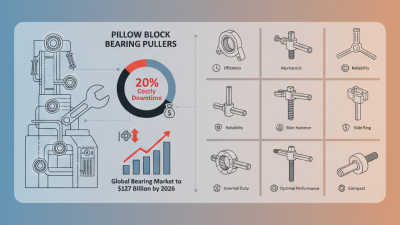
Choosing the right Pillow Block Flange Bearing is crucial for many applications. According to a report by the Global Bearing Market Analysis, the demand for high-quality bearings is projected to grow significantly, driven by industrial automation and infrastructure development. This makes understanding the selection process essential for engineers and designers alike.
Expert John Anderson, a leader in bearing technology, states, "Selecting the right Pillow Block Flange Bearing can prevent costly downtime." His insight highlights the importance of making informed choices in this area. A wrong selection could lead to inefficiencies and increased maintenance costs.
Pillow Block Flange Bearings come in various sizes and materials, each serving specific needs. Knowing the load capacity and environmental conditions is vital. Many overlook details like lubrication needs, which can influence performance. Understanding these factors brings clarity to an often-overlooked aspect of machinery design.
Understanding Pillow Block Flange Bearings and Their Applications
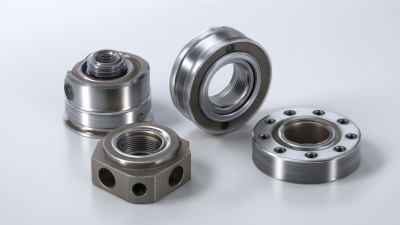
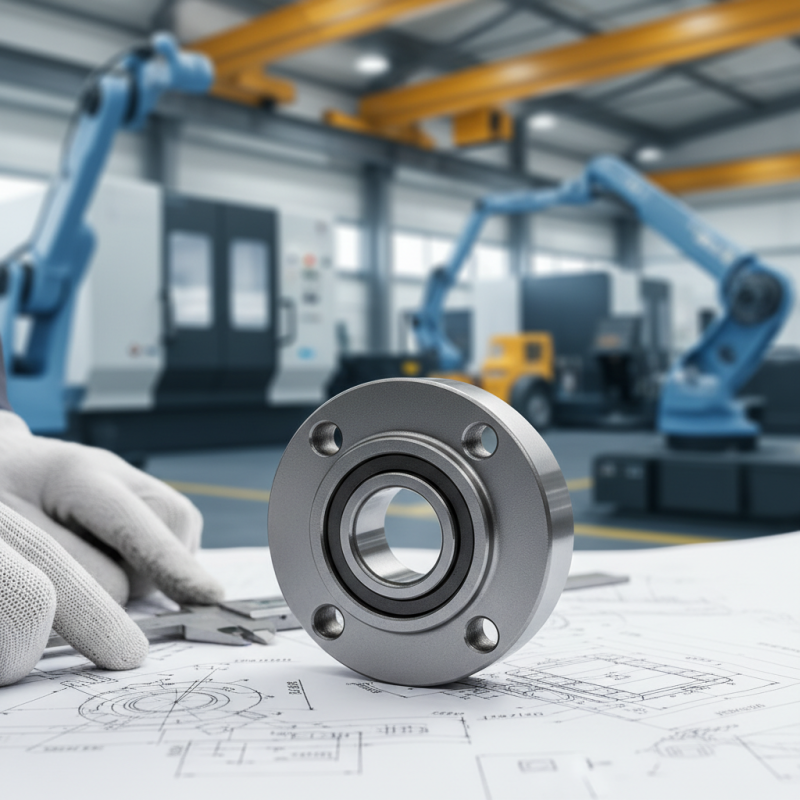
Pillow block flange bearings are essential components in various machinery. They provide support to rotating shafts and help reduce friction. These bearings often come mounted in a housing, making installation easier. Their design allows for easy alignment and adjustment. This is crucial in applications where precise movement is necessary.
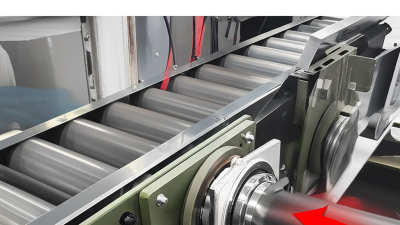
Understanding the applications of pillow block flange bearings is vital. They are commonly used in conveyor systems and material handling equipment. In these roles, they endure heavy loads and varying speeds. Proper selection ensures durability and efficiency. While they are robust, not all bearings are suitable for every task. Factoring in load capacity and environmental conditions is necessary. Some users overlook specific requirements, resulting in premature failures.
Choosing the right bearing involves detailed consideration. One must assess the operational environment. Temperature and moisture can affect performance. Users sometimes forget about these factors. Flange size can also impact fit and functionality. Choosing an incorrect size can lead to misalignment. This may hinder overall performance, causing additional wear and tear. Refinement in selection processes is key to enhancing longevity and effectiveness.
How to Choose the Right Pillow Block Flange Bearing for Your Needs?
| Dimension |
Material |
Load Capacity (lbs) |
Temperature Range (°F) |
Common Applications |
| 1 in |
Steel |
300 |
-20 to 180 |
Conveyor Systems |
| 2 in |
Cast Iron |
600 |
-20 to 200 |
Agricultural Equipment |
| 3 in |
Aluminum |
800 |
0 to 150 |
Manufacturing Equipment |
| 4 in |
Plastic |
400 |
-10 to 120 |
Textile Machinery |
Key Factors to Consider When Selecting a Pillow Block Flange Bearing
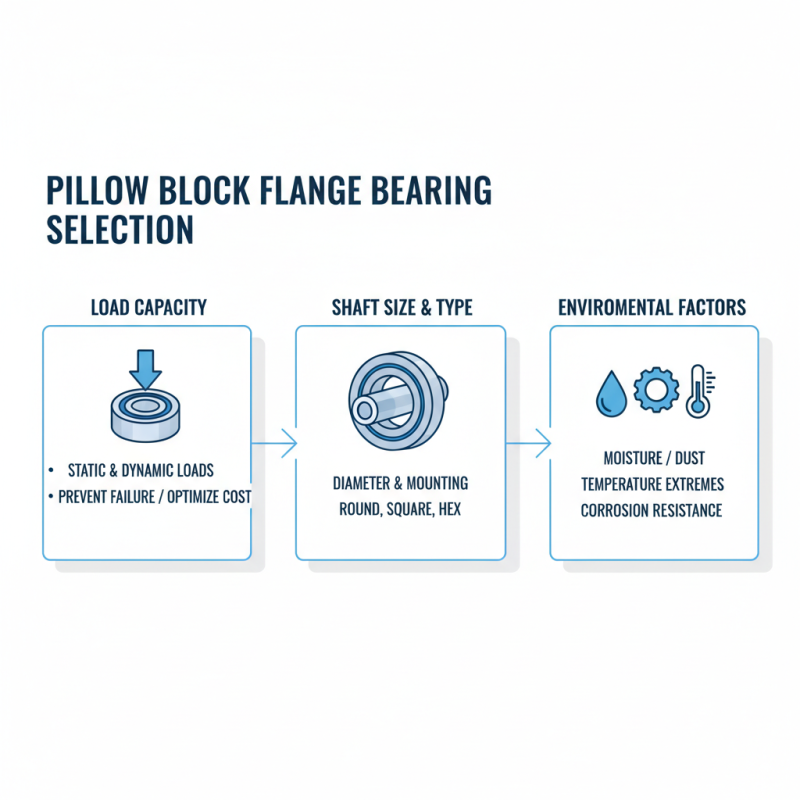
Choosing the right pillow block flange bearing requires careful consideration of several key factors. One crucial aspect is the load capacity. Ensure the bearing supports both static and dynamic loads adequately. Too little capacity can lead to premature failure, while excessive capacity might incur unnecessary costs.
Another factor is the environment where the bearing operates. Consider temperature, moisture, and exposure to contaminants. Different materials and seals can significantly affect performance. For instance, high humidity may require corrosion-resistant options. Identify your operating conditions before making a decision.
**Tip:** Always review bearing dimensions. Misalignment can cause early wear. Confirm that the shaft diameter and housing fit precisely.
**Tip:** Think about maintenance. Some bearings offer higher durability and less need for upkeep, while others may need regular checks. Factor in how much time you can dedicate to maintenance.
It’s also wise to consider the bearing’s vibration and noise levels. Sometimes, a quieter option is more beneficial, especially in sensitive operations. Reflect on what suits your specific application best.
Material Options for Pillow Block Flange Bearings: Pros and Cons
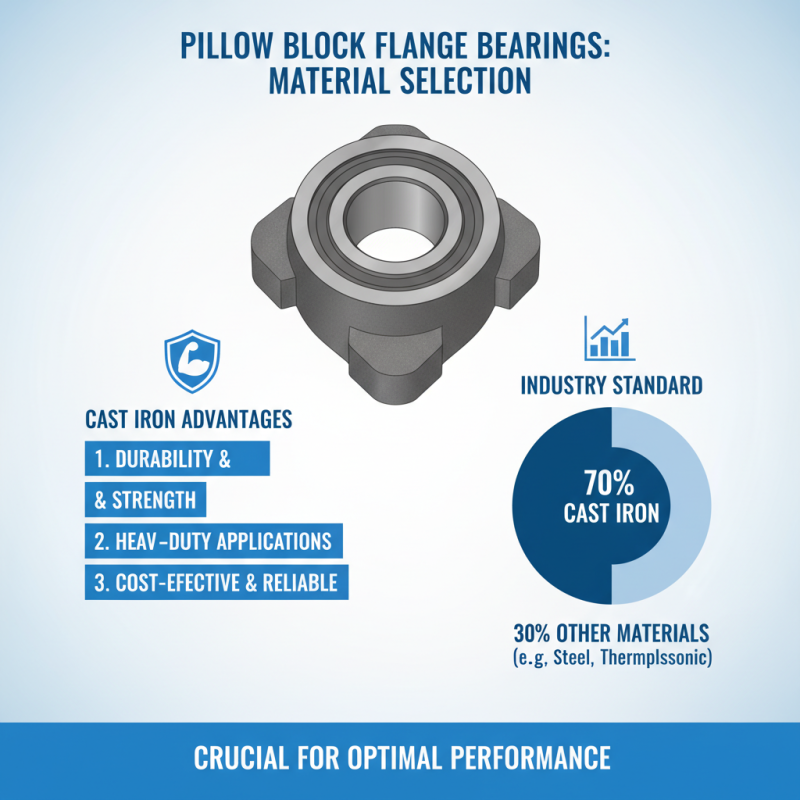
Choosing the right material for pillow block flange bearings is crucial. Different materials offer distinct advantages and disadvantages. For instance, cast iron is often favored for its durability and strength, making it ideal for heavy-duty applications. According to industry reports, approximately 70% of all pillow block bearings utilize cast iron due to its cost-effectiveness and reliability.
On the other hand, thermoplastic materials are gaining popularity. They are lightweight and resistant to corrosion. While they provide lower load capacities, their flexibility makes them suitable for specific environments. A study from a prominent engineering firm stated that thermoplastic bearings could reduce maintenance costs by up to 30%. However, they may not be the best choice in extreme conditions.
Another material to consider is stainless steel. It offers excellent resistance to wear and tear. However, the initial costs can be significantly higher than other materials, potentially leading to budgetary concerns. Stainless steel bearings might also need regular maintenance to maintain their properties. Users should reflect on their operational needs and weigh the pros and cons carefully.
Sizing and Load Ratings: Choosing the Right Fit for Your Needs
Choosing the right pillow block flange bearing involves precise sizing and understanding load ratings. You need to determine the shaft diameter first. Measure it accurately to ensure a proper fit. The bearing should fit snugly on the shaft. An incorrect size can lead to failure or noise.
Load ratings are equally important, as they dictate the bearing's capacity. Each application has unique load requirements. If the load is too high, the bearing could fail prematurely. Check the static and dynamic load ratings. It's critical to consider both types of loads for effective performance. Sometimes, users overlook these ratings, leading to issues later on.
Considering environmental factors is vital too. Temperature and humidity can impact the bearing's lifespan. Choosing a bearing rated for your specific conditions will improve its longevity. It’s easy to make assumptions but understanding your needs is crucial. Always consult guidelines and if uncertain, seek expert advice when necessary.
Maintenance Tips for Longevity of Pillow Block Flange Bearings
Pillow block flange bearings require regular maintenance for optimal performance. Dust and debris can accumulate, causing wear over time. Keeping the work area clean helps prevent this issue. Lubrication is crucial; it reduces friction and heat. Without proper lubrication, bearings can fail prematurely.
Inspect the bearings regularly for signs of damage. Look for unusual noises or vibrations. These can indicate underlying problems that need attention. Tightening any loose components can also enhance stability. Remember, maintaining your bearings ensures longevity.
Here are some tips for effective maintenance. Clean the bearings with a soft cloth regularly. Avoid using harsh chemicals. They can deteriorate the material. Always follow proper lubrication guidelines. But do not over-lubricate, as it can attract dust. Each step matters in maintaining bearing health.
Comparison of Pillow Block Flange Bearing Material Types