How to Choose the Right Split Pillow Block Bearings for Your Needs?
Choosing the right Split Pillow Block Bearings can significantly impact machinery performance. These bearings support shafts and ensure smooth operation in various applications. With numerous options available, selecting the best fit may seem daunting.
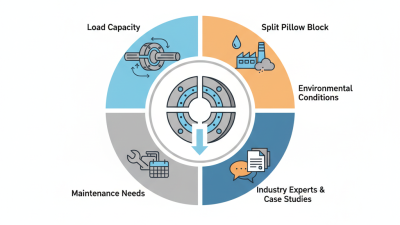
Understanding your specific needs is crucial. Factors like load capacity, speed, and environmental conditions play significant roles. If you overlook these details, you might end up with bearings that do not perform well. For instance, using a bearing not rated for heavy loads could lead to early failure.
It's also essential to consider the installation process. Some Split Pillow Block Bearings are easier to install than others. If the installation is complex, it may lead to costly downtime. By focusing on these key factors, you can make a more informed decision. Ultimately, the right choice will enhance the efficiency and longevity of your equipment.
Understanding Split Pillow Block Bearings: Definition and Types
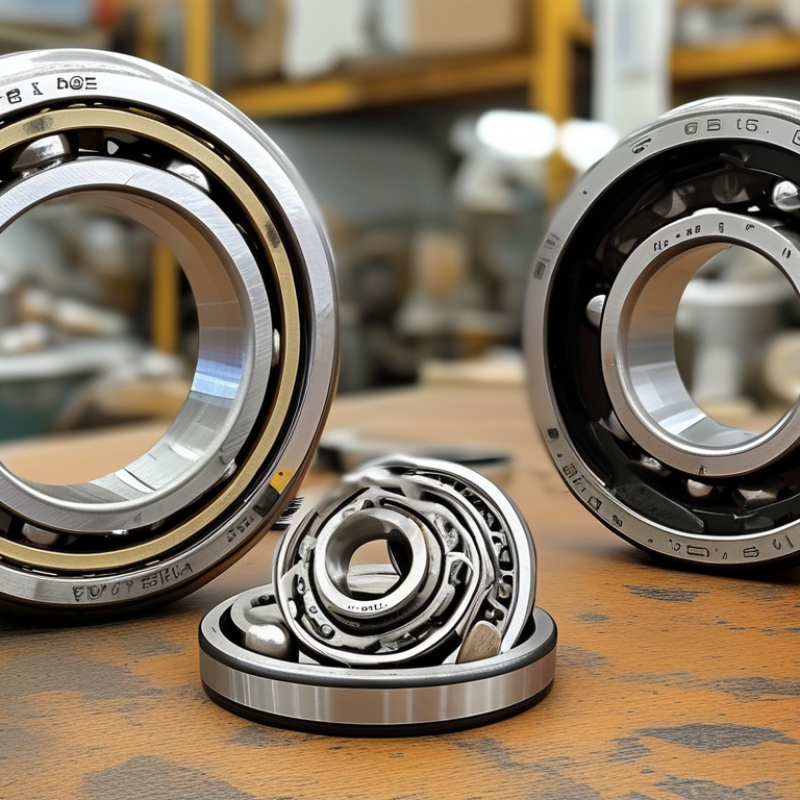
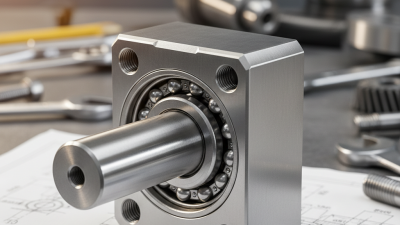
Split pillow block bearings play a crucial role in various industrial applications. They are designed to support rotating shafts, allowing for alignment and ease of installation. Understanding the definition and types of these bearings is essential for making informed decisions.
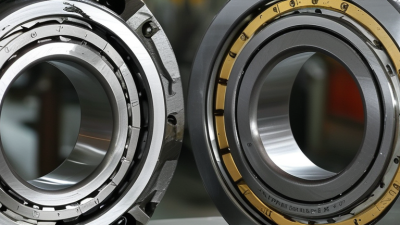
There are several types of split pillow block bearings. The most common include the typical cast iron housing and the more specialized composite housing options. Cast iron bearings offer durability and strength, often found in heavy machinery. In contrast, composite materials provide resistance to corrosive environments, making them suitable for industries like food processing where hygiene is crucial. According to industry reports, the demand for composite pillow block bearings has increased by 20% over the last five years, reflecting a shift in industry needs.
When selecting the right bearing, consider factors such as load capacity and environmental conditions. Each bearing type has its strengths and weaknesses. A heavier load may require a more robust design, while environmental factors like moisture and temperature can impact material choice. Research has shown that improper bearing selection can decrease machine efficiency by up to 30%. Thus, an understanding of the specific application and operational demands is critical in choosing the appropriate type.
Key Factors for Selecting Split Pillow Block Bearings for Applications
When selecting split pillow block bearings, several key factors come into play. The load capacity is crucial. It should match the anticipated operational load. Overloading can lead to premature bearing failure. According to industry reports, around 30% of bearing failures relate directly to excessive loads. Proper sizing is essential to ensure optimal performance.
The material of the bearings also impacts their durability. Different applications may require materials like cast iron or polymer. Each material has unique properties regarding wear resistance and corrosion. In a study, cast iron bearings outperformed their polymer counterparts in severe environments, showcasing a 20% longer lifespan. Temperature tolerance is another critical aspect. Bearings in high-heat situations need materials capable of maintaining performance without degradation.
Finally, maintenance requirements should not be overlooked. Easy access and simple service protocols can significantly extend a bearing’s life. Reports indicate that about 20% of maintenance issues stem from improper lubrication practices. Assessing the environment, such as exposure to dust or moisture, is vital. These factors may require more frequent inspections and adjustments. All these considerations contribute to informed decision-making when choosing the right split pillow block bearings.
Material Options for Split Pillow Block Bearings and Their Impact
When selecting split pillow block bearings, understanding material options is crucial. Common materials include cast iron, steel, and thermoplastics. Each offers unique benefits. For instance, cast iron provides excellent durability but is heavy. Steel offers high strength but can be susceptible to corrosion if not treated. Thermoplastics are lighter and resistant to various chemicals, but they may not support heavy loads as well.
The choice of material impacts not only performance but also maintenance. Cast iron bearings may require more frequent upkeep due to rust risk. In contrast, thermoplastic bearings are often low-maintenance and can withstand harsh environments. It is essential to evaluate the operating conditions of your application. If the environment is corrosive, steel may not be the best choice. However, a combination of materials can sometimes work well.
Consider your specific needs carefully. If weight is a primary concern, thermoplastics might be suitable. If the application requires high load capacity, cast iron or steel could be better. Analyzing these factors leads to a more informed decision. Choosing the right material also involves reflection. Will the initial cost savings outweigh long-term maintenance? Assessing these questions can lead to improved performance in the long run.
How to Choose the Right Split Pillow Block Bearings for Your Needs? - Material Options for Split Pillow Block Bearings and Their Impact
| Material |
Corrosion Resistance |
Load Capacity |
Operating Temperature Range |
Typical Applications |
| Cast Iron |
Moderate |
High |
-20°C to 120°C |
Industrial Machinery |
| Stainless Steel |
Excellent |
Moderate |
-30°C to 150°C |
Food Processing, Marine |
| Bronze |
Good |
Low to Moderate |
-20°C to 100°C |
Shipbuilding, HVAC |
| Plastic (Polymer) |
Good |
Low |
-40°C to 80°C |
Chemical Processing, Electronics |
| Aluminum |
Moderate |
Moderate |
-30°C to 120°C |
Automotive, Aerospace |
Load Capacity Ratings: Understanding Your Split Pillow Block Bearings Needs
When selecting split pillow block bearings, load capacity ratings are crucial. Understanding these ratings can directly impact the functionality of your application. For example, a bearing’s load capacity is often defined based on static and dynamic load limits. The dynamic load rating typically ranges from 500 to 20,000 pounds, depending on the specific design. Failure to match these ratings can lead to premature equipment failure and increased maintenance costs.
Consider the factors that affect load capacity. Operating conditions, such as temperature and vibration, play significant roles. A report by the American Bearing Manufacturers Association highlighted that bearings subjected to high temperatures can lose about 50% of their load capacity. Additionally, misalignment can create unexpected loads. Even slight misalignment can reduce the effective load-carrying ability of the bearing.
While data provides a guideline, real-world applications can differ. Sometimes, users overlook subtle signs of overloading, like unusual noise or vibration. Regular monitoring and maintenance are necessary for these components. Operators must be attentive to these indicators. Knowing when to replace bearings ensures long-term performance. It’s all about finding the right balance between load requirements and operational realities.
Maintenance Considerations for Longevity of Split Pillow Block Bearings
Maintaining split pillow block bearings is essential for their longevity. Regular inspections help identify wear and tear. Check for signs of rust or corrosion. Inspect seals for damage to prevent contaminants from entering. These small details can save you from costly replacements down the line.
Proper lubrication also plays a vital role. Ensure that bearings are adequately greased. Lack of lubrication can lead to friction and overheating. It's a common mistake to overlook this step. Follow manufacturer recommendations to determine the right type and frequency of lubrication. Keeping a consistent maintenance schedule can be challenging, but it is crucial.
Additionally, ensure that bearings are mounted correctly. Misalignment can cause uneven wear and tear. Watch for unusual noises during operation. They can signal underlying issues that need immediate attention. Reflecting on the condition of your bearings often leads to better maintenance practices, enhancing their overall performance.