How to Choose the Right Pillow Block Ball Bearing?
Choosing the right Pillow Block Ball Bearing can be a daunting task. Many factors influence the decision. Experts in the industry stress the importance of understanding the specific application needs. John Smith, a leading engineer in bearing technology, once said, “Selecting the right bearing is crucial for optimal performance.” His insight underscores the weight of this choice.
Pillow Block Ball Bearings support rotating shafts and reduce friction. They come in various sizes and configurations. The right choice can enhance equipment efficiency. However, different applications require different features. For instance, temperature resistance can vary significantly between models. Understanding these details is essential but often overlooked.
Many businesses make hasty decisions. They fail to consider long-term implications. It's easy to overlook specifics like load capacity or alignment. Yet, overlooking these details can lead to costly failures. Hence, it’s vital to take time and reflect on the particulars of the application. Making the right choice in Pillow Block Ball Bearings can thus lead to significant operational success.
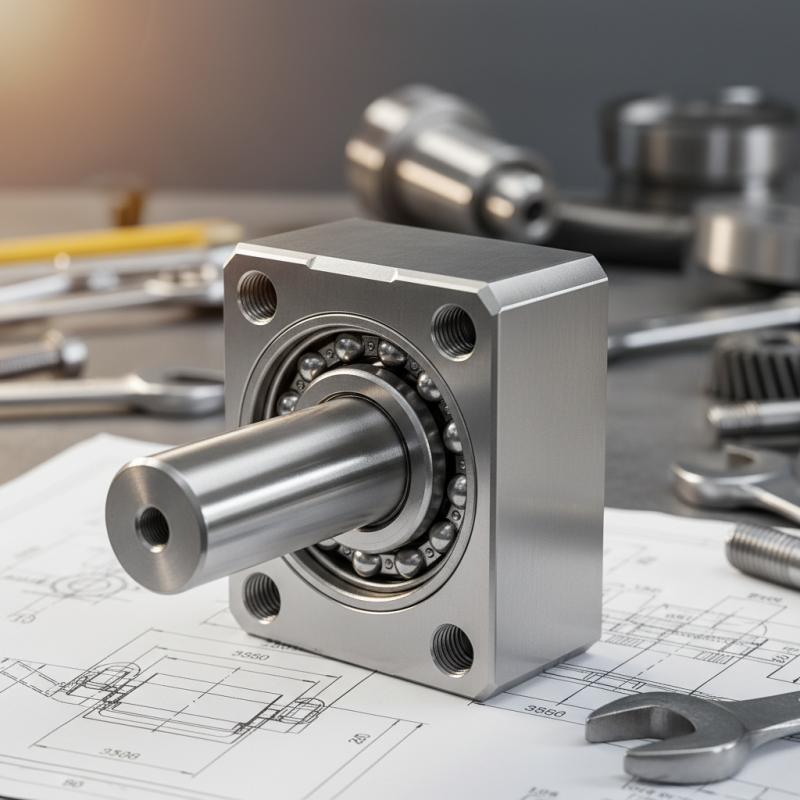
Understanding Pillow Block Ball Bearings: Definition and Function
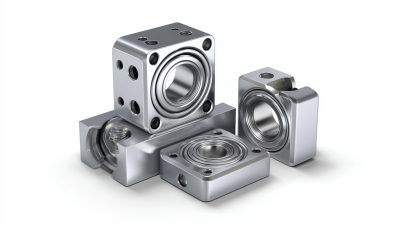
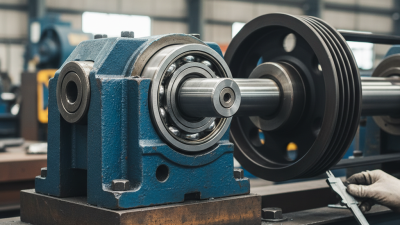
Pillow block ball bearings play a crucial role in various mechanical applications. They consist of a bearing mounted in a housing, or pillow block, that provides support and alignment for rotating shafts. This design helps in reducing friction and wear, making them essential for machinery, conveyor systems, and other equipment.
The function of pillow block ball bearings is straightforward yet vital. They allow shafts to rotate smoothly while maintaining alignment. The housing stabilizes the bearing, preventing misalignment and ensuring durability. When choosing a pillow block bearing, consider the load capacity and the operating environment. High temperatures or humidity can affect performance.
Sometimes, users overlook details like proper installation and lubrication. A poorly installed bearing can lead to premature failure. Regular maintenance is essential. Cleaning and re-lubricating bearings can extend their lifespan. It's all about understanding the balance between functionality and maintenance requirements.
Types of Pillow Block Bearings: A Comprehensive Overview
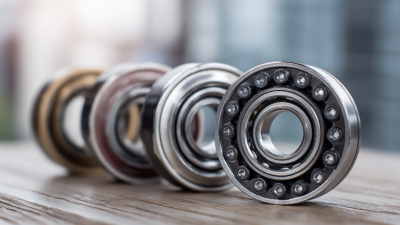
Pillow block bearings play a crucial role in various applications, providing support and alignment for rotating shafts. They come in different types, each suited for specific tasks. The most common types include tapered, spherical, and cylindrical pillow block bearings. Each type has its strengths and weaknesses, impacting performance in diverse environments.
Research indicates that the global pillow block bearing market is expected to reach $15 billion by 2026, driven by automotive and industrial applications. Tapered pillow block bearings are preferred in applications requiring high load capacities but may struggle with misalignment. Conversely, spherical bearings are versatile and handle misalignment well, making them a favorite in dynamic settings. However, they may not be suitable for high-speed operations.
Choosing the right type means assessing operational conditions. Factors like load, speed, and environmental impacts should be considered. A poorly chosen bearing can lead to costly downtimes or equipment failures. It's often said that even small mistakes lead to significant repercussions in mechanical systems. Understanding the nuances of each pillow block type is essential for optimal performance and longevity.
How to Choose the Right Pillow Block Ball Bearing? - Types of Pillow Block Bearings: A Comprehensive Overview
| Bearing Type |
Material |
Load Capacity (lbs) |
Temperature Range (°F) |
Applications |
| Standard Pillow Block Bearing |
Cast Iron |
3000 |
-20 to 180 |
Conveyor Systems |
| Stainless Steel Pillow Block Bearing |
Stainless Steel |
2100 |
-40 to 250 |
Food Processing |
| Polymer Pillow Block Bearing |
Polymer Composite |
1500 |
-20 to 180 |
Light Duty Equipment |
| Vibration-Damped Pillow Block Bearing |
Cast Iron with Damping Material |
4000 |
-20 to 200 |
Industrial Machinery |
Factors to Consider When Selecting Pillow Block Bearings
When selecting pillow block bearings, several factors play a crucial role in ensuring optimal performance. Material selection is fundamental. Common materials include cast iron and thermoplastics. Each has unique properties affecting durability and resistance to harsh environments. For instance, materials that withstand high temperatures can prolong bearing life, especially in demanding industries.
Load rating is another vital factor. It determines the bearing's capacity to handle loads without failure. According to industry reports, choosing a bearing with an appropriate load rating can enhance equipment lifespan by up to 50%. It's imperative to calculate the operating conditions accurately. Temperature, speed, and load type all influence the right choice. Failing to consider these aspects can lead to premature wear and costly downtime.
Bearing size also matters significantly. Even slight deviations can impact functionality. A mismatch may cause misalignment or increased friction. Additionally, it's essential to evaluate lubrication options. Proper lubrication minimizes wear and can even enhance efficiency. Studies show that over 40% of bearing failures stem from improper lubrication. Each of these factors requires careful consideration to avoid common pitfalls.
Factors to Consider When Selecting Pillow Block Bearings
Applications of Pillow Block Bearings Across Industries
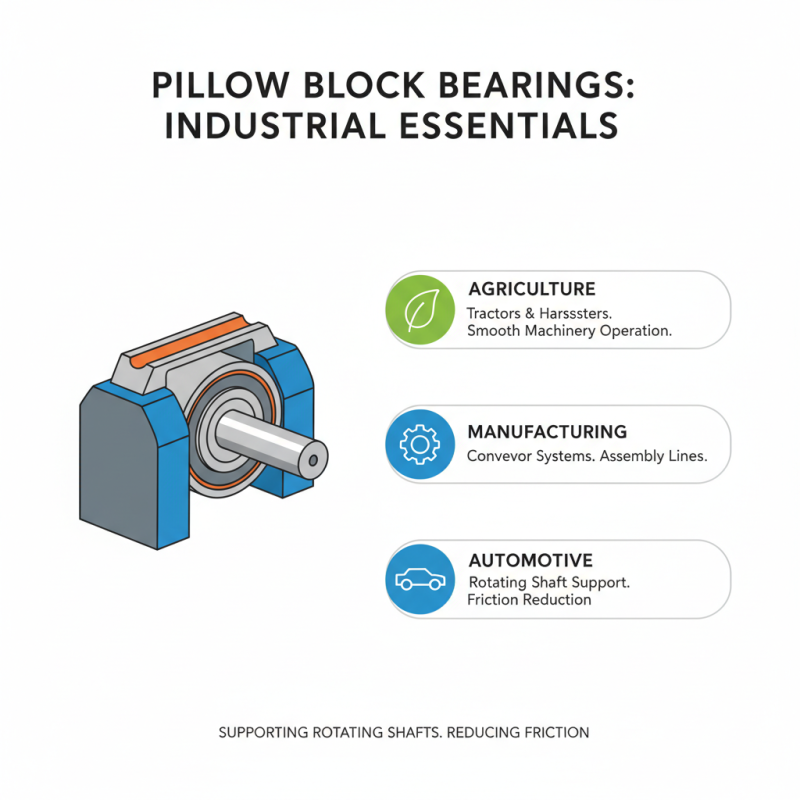
Pillow block bearings are essential in various industries. They support rotating shafts and reduce friction. Common applications include agriculture, manufacturing, and automotive sectors. In agriculture, they ensure smooth operation of machinery like tractors and harvesters. In factories, they facilitate conveyor systems and assembly lines.
One critical aspect is improper selection. Sometimes, users overlook load ratings. Choosing the wrong bearing can lead to premature failure. In automotive applications, pillow block bearings enable smooth wheel alignment and steering. A slight miscalculation can affect performance. It's vital to assess specific needs carefully.
These bearings are also used in HVAC systems. They help fans and compressors operate efficiently. However, installation errors can cause vibration issues. Regular maintenance is necessary to extend their lifespan. Users should regularly inspect conditions and replace worn parts. Being mindful of these details impacts performance greatly.
Maintenance Tips for Ensuring Longevity of Pillow Block Bearings
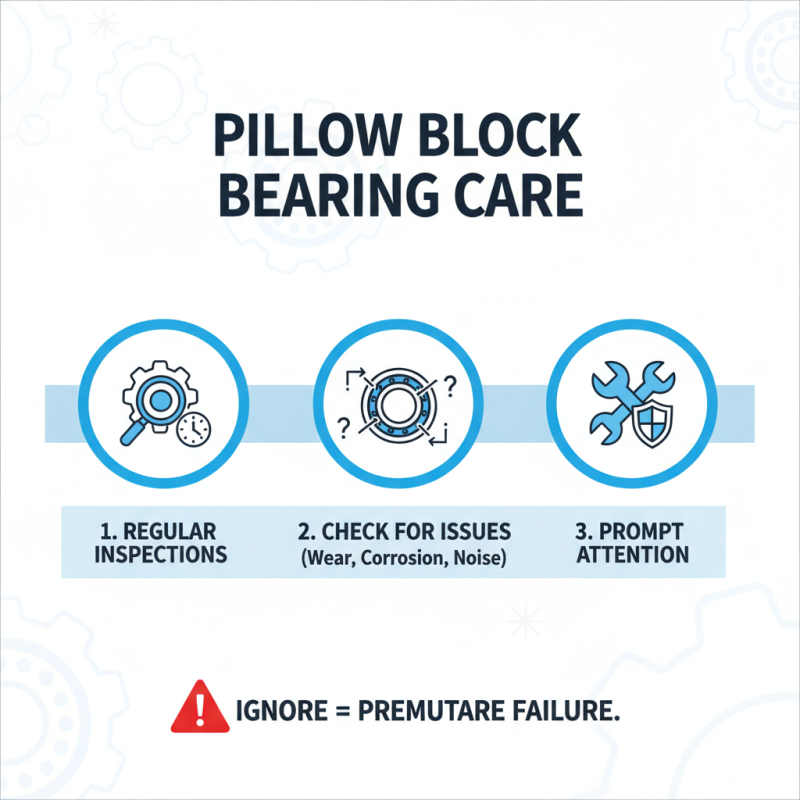
Proper maintenance of pillow block bearings is essential for longevity. Regular inspections are crucial. Check for signs of wear, corrosion, or abnormal noise. These indicators may suggest issues needing immediate attention. Ignoring them can lead to premature failure.
Lubrication is vital for smooth operation. Use the correct type of lubricant. Ensure it's applied regularly, but avoid over-lubrication. Over-lubrication can lead to excessive heat. Heat may damage the bearing. Remember, cleanliness matters. Dirt and debris can contaminate the lubricant, risking failure.
Consider the operating environment. Extreme temperatures or humidity levels can affect performance. Protective covers can help reduce exposure to contaminants. Routine cleaning of the housing can prevent buildup. Neglecting these areas might create hidden problems later. Always reflect on your maintenance practices. It’s easy to overlook small details, but they matter a lot.