How to Choose the Right 25mm Pillow Block Bearing for Your Project?
Choosing the right 25mm Pillow Block Bearing for your project can seem overwhelming. Expert engineer John Smith emphasizes, “The right bearing can make or break your machinery's performance.” Understanding your needs helps narrow options effectively.
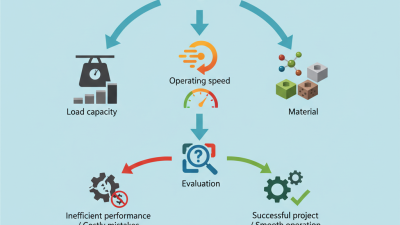
Consider the load capacity, speed rating, and environment where the bearing will operate. For instance, high vibration conditions require a different approach than low-speed applications. Quality and durability matter; a slight oversight in selection can lead to costly downtime.
In this industry, many face challenges in finding the right fit. Common issues include misunderstandings about specifications or overlooking supplier trustworthiness. Reflecting on these factors can lead to better choices. It’s not just about dimensions; it's about performance and reliability for long-term success with your 25mm Pillow Block Bearing.
Understanding the Different Types of 25mm Pillow Block Bearings Available
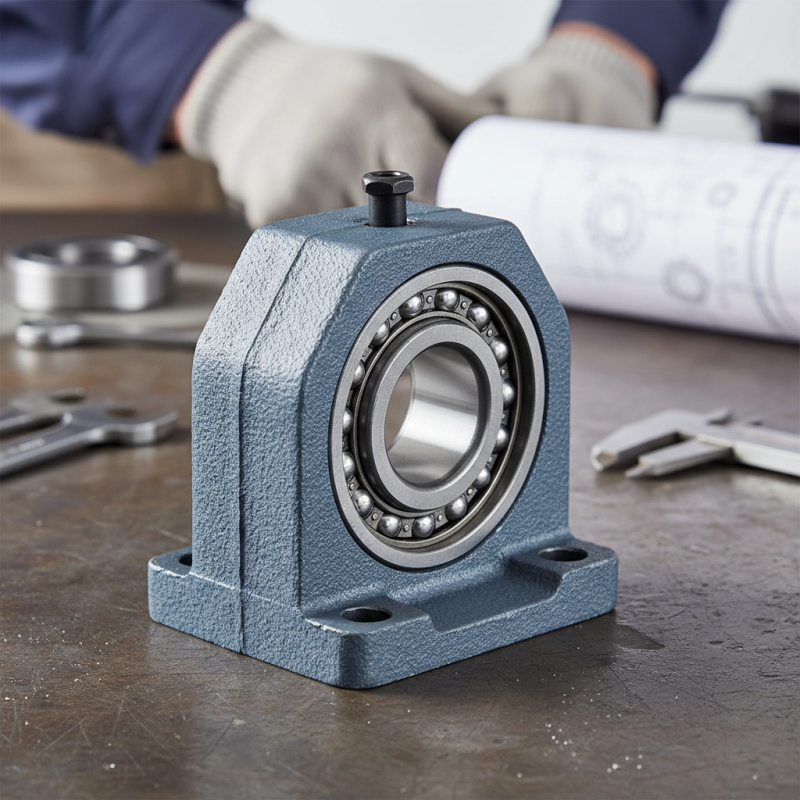
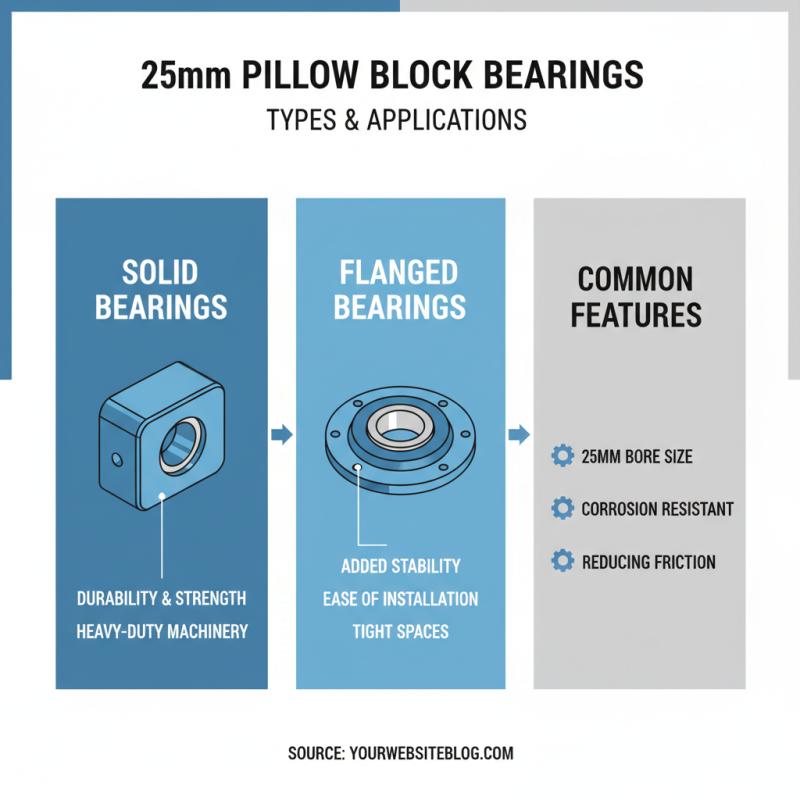
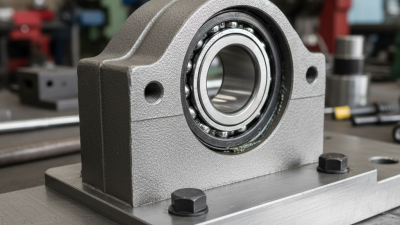
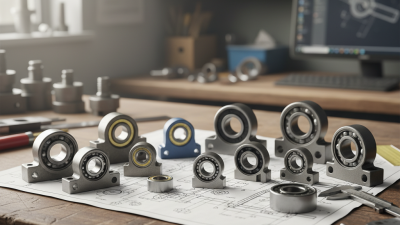
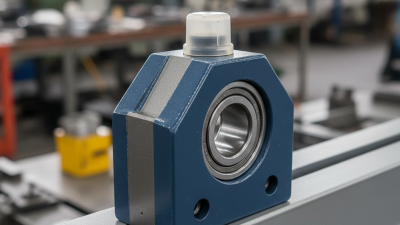
When selecting a 25mm pillow block bearing, it’s crucial to understand the various types available. Each type serves specific applications. The most common types are solid bearings, which offer durability and strength. These are often used in heavy-duty machinery. Flanged bearings provide added stability and ease of installation. They fit perfectly in tight spaces.
Consider the load and speed requirements of your project. Some designs are better suited for high-speed applications. Others can handle heavier loads. Choosing the wrong type can lead to premature failure. It’s essential to analyze the operational environment. Factors like temperature and exposure to contaminants affect bearing performance.
Compatibility with existing machinery is another key point. Verify the shaft diameter and mounting options. Sometimes, modifications may be necessary for a proper fit. While that may seem like an inconvenience, it can improve overall performance. Understanding these aspects helps ensure a successful project. A careful selection process can prevent costly downtime and enhance the longevity of your equipment.
Key Specifications to Consider for 25mm Pillow Block Bearings
When selecting a 25mm pillow block bearing, several key specifications come into play.
Material selection is paramount. Typically, bearings are made from stainless steel or carbon steel.
Each material type has unique properties that affect performance and longevity. Stainless steel is corrosion-resistant, while carbon steel can provide higher load capacities under certain conditions.
Load ratings are crucial metrics. According to a recent industry report, proper load ratings ensure the bearing can handle operational stresses. A 25mm bearing needs to sustain both dynamic and static loads effectively. The dynamic load rating often correlates with the lifespan of the bearing. Be sure to check the manufacturer’s specifications for these ratings.
Another aspect is the bearing’s internal clearance. This defines how much play is present within the bearing.
Too much clearance can lead to vibrations and premature wear. Insufficient clearance can lead to overheating and failure.
It's essential to choose a clearance that aligns with the specific application requirements.
Consideration of these specifications can significantly influence overall machine performance and durability.
Analyzing Load Capacity and Performance Ratings for Your Application
When selecting a 25mm pillow block bearing, understanding load capacity and performance ratings is crucial. Load capacity defines the maximum weight the bearing can support without failure. According to industry data, a standard 25mm pillow block bearing typically has a dynamic load rating ranging from 6,000 to 15,000 N, depending on its design and materials. It is vital to assess your project’s demands to ensure that your selected bearing can withstand operational stresses.
Performance ratings are equally essential. They reflect durability under various conditions. Temperature fluctuations, humidity, and contamination can affect the performance of a bearing. Some studies indicate that bearing life can significantly diminish under high-speed conditions without proper lubrication. Manufacturers often recommend specific lubricants for different operating environments to maintain efficiency and longevity.
While understanding these metrics is essential, not every application fits neatly within the provided specifications. Variability in load applications may lead to unexpected failure. Projects with intermittent loads can demand different considerations than continuous loads. Understanding the nuances of your specific application will ensure that your choice of pillow block bearing doesn’t just meet the basic requirements, but excels in performance where it counts.
Load Capacity and Performance Ratings of 25mm Pillow Block Bearings
Material Selection: Choosing the Right 25mm Pillow Block Bearing
When it comes to selecting the right 25mm pillow block bearing, material choice is crucial. The material influences durability, load capacity, and overall performance. Common options include steel, plastic, and stainless steel. Steel bearings offer strength and longevity, ideal for heavy-duty applications. Conversely, plastic options are lightweight and resistant to corrosion. It's essential to assess the working environment prior to deciding.
Tips: Consider the exposure to moisture or chemicals. If your application is in a harsh environment, stainless steel might be more suitable, even though it can be pricier. Evaluate how often the bearing will be in motion. Bearings in continuous motion may require different materials compared to static applications.
You might find it challenging to determine the right fit. Awareness of noise levels is important, especially for industries requiring silence. In instances where precision matters, tolerances should also be evaluated. The right material enhances performance but can complicate budgeting. Understand the trade-offs to make better decisions for your project.
Maintenance and Longevity: Factors Affecting Bearing Lifespan
When selecting a 25mm pillow block bearing, understanding maintenance and longevity is vital. According to industry reports, up to 50% of bearing failures result from inadequate maintenance. Regular inspection can identify issues like misalignment and contamination early. A simple visual check can prevent significant downtime later.
Operating temperature directly impacts bearing longevity. Bearings typically last longer in cooler conditions. Research indicates that for every 10°C increase in temperature, the lifespan can decrease by half. Proper lubrication is another key factor. The right grease type and application improve efficiency and prevent wear. Identify the specific grease needed for your project.
Contamination from dirt or moisture can drastically affect performance. A study showed that 30% of bearings fail due to poor sealing. Ensure that seals are intact. Regular maintenance schedules can help mitigate these risks, but they often get overlooked. Reflecting on past practices can inspire better decision-making in future projects.
How to Choose the Right 25mm Pillow Block Bearing for Your Project? - Maintenance and Longevity: Factors Affecting Bearing Lifespan
| Parameter |
Impact on Lifespan |
Considerations |
| Load Capacity |
Higher loads can shorten lifespan |
Choose based on application requirements |
| Speed Rating |
Higher speeds can increase wear |
Match bearing speed rating to application |
| Lubrication |
Proper lubrication extends lifespan |
Select appropriate lubricant for conditions |
| Temperature Range |
Extreme temperatures can cause failure |
Ensure bearing can handle expected range |
| Environmental Conditions |
Dirt and moisture can lead to deterioration |
Consider seals or shields for protection |
| Alignment |
Misalignment can cause excessive wear |
Proper installation and alignment are crucial |