Welcome to our websites!

How to Choose the Best Self Aligning Pillow Block Bearing?

Selecting the right self-aligning pillow block bearing can be a daunting task. These components play a crucial role in various applications, from industrial machinery to automotive systems. Understanding their features and specifications is essential for making an informed choice.

Self-aligning pillow block bearings are designed to accommodate misalignments. This unique capability is vital in ensuring smooth operation. However, not all bearings are created equal. The material used, load capacity, and environmental factors influence performance. Disregarding these aspects may lead to premature wear or failure.

When faced with options, consider your specific needs. Each application has unique demands. A bearing that excels in one scenario may falter in another. Assessing your requirements and understanding the characteristics of self-aligning pillow block bearings is crucial for optimal results.
How to Choose the Best Self Aligning Pillow Block Bearing?

Understanding Self Aligning Pillow Block Bearings and Their Applications
How to Choose the Best Self Aligning Pillow Block Bearing?

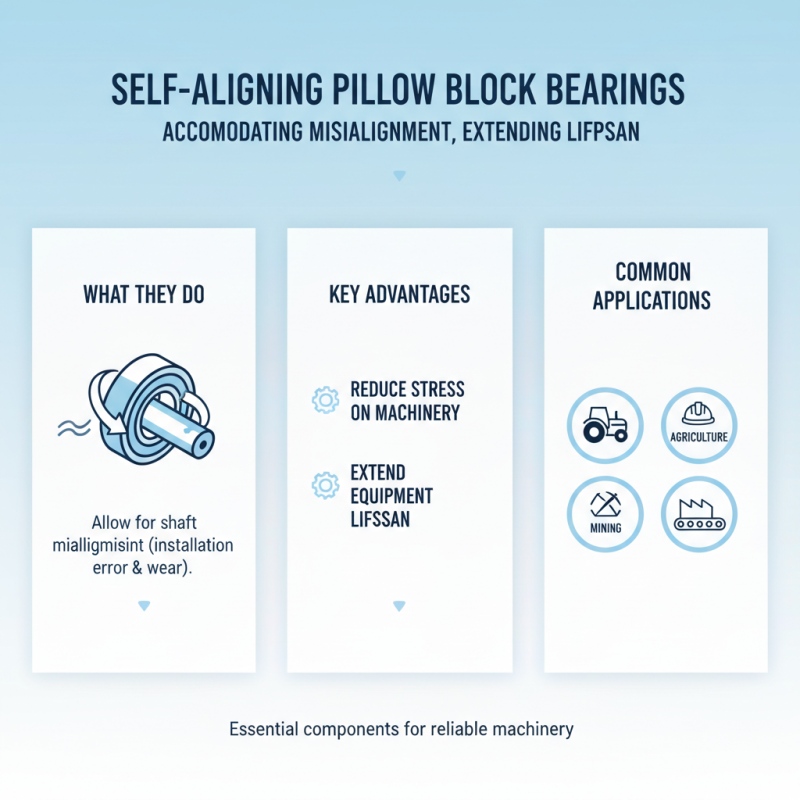
Self-aligning pillow block bearings are essential components in various applications. They are designed to accommodate shaft misalignment, which occurs due to installation errors or operational wear. These bearings are particularly useful in sectors such as agriculture, mining, and manufacturing. By allowing for misalignment, they reduce stress on the machinery, extending its lifespan.

When selecting a self-aligning pillow block bearing, consider the load requirements and the operating environment. The bearing's material is critical; it should withstand wear and corrosion. Additionally, the housing type can impact installation and maintenance. Understanding these factors ensures optimal performance in your specific application. However, not all bearings are created equally. Some may fail under heavy loads, leading to costly downtimes. Regular inspections and maintenance practices are vital to avoid such scenarios.

Choosing the right self-aligning pillow block bearing requires experience and careful consideration. Assessing your machine's needs can be challenging. Manufacturers often provide guidelines, but real-world applications can vary widely. Be prepared to test different options. Sometimes, the best choice might not be the most obvious one. Engaging with professionals in the field can also provide valuable insights into best practices and common pitfalls.
Key Specifications and Features to Consider in Choosing Bearings

When selecting self-aligning pillow block bearings, focus on key specifications. These components are vital for efficient machinery operation. Check the diameter and width of the bearings. Make sure they fit the shaft size accurately. Consider the load capacity as well. Overloading can lead to premature wear.

Bearings also differ in materials. Steel is common, but you might find options in plastic or ceramic. Each material has strengths and weaknesses. Steel provides robustness but can corrode. Plastic is lightweight but may not handle heavy loads effectively.

Tips: Always evaluate the operating environment. High temperatures or moisture may affect performance. Additional features like seals can enhance longevity and efficiency. It is essential to ensure that lubrication systems are compatible. Take time to review technical documents for clarity. A slight miscalculation can lead to inefficiency. Make informed choices instead of rushing the decision.

Self Aligning Pillow Block Bearings - Key Specifications and Features

Material Properties and Their Impact on Bearing Performance

How to Choose the Best Self Aligning Pillow Block Bearing?

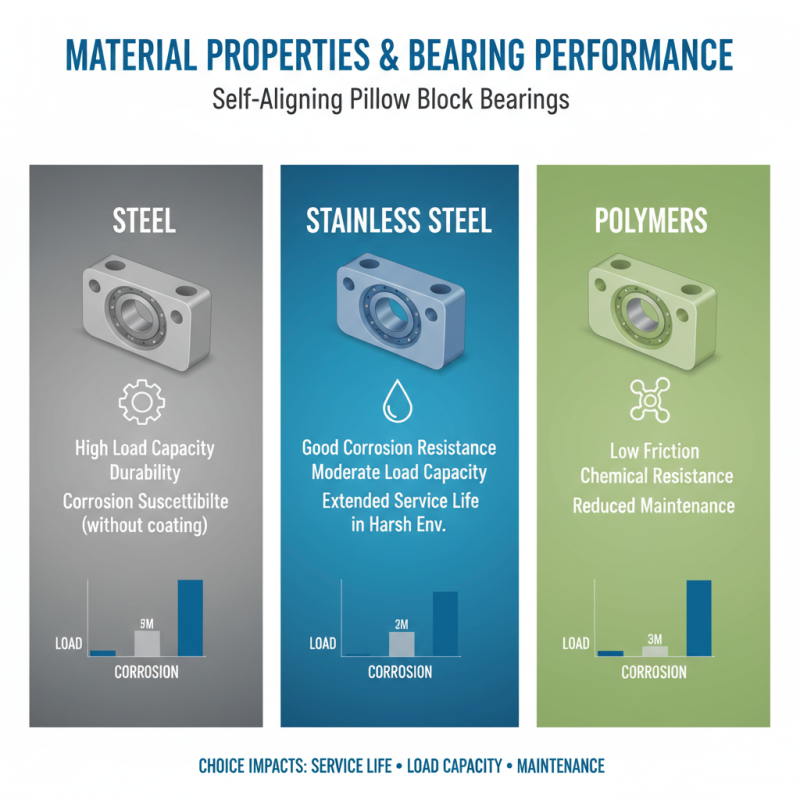
When selecting a self-aligning pillow block bearing, material properties play a crucial role in overall performance. Bearing materials typically include steel, stainless steel, and various polymers. Each material presents unique strengths and weaknesses that can significantly influence service life and load capacity.

Steel bearings are renowned for their high strength and durability. However, they can be susceptible to corrosion without proper treatment. Stainless steel offers improved corrosion resistance but may have lower fatigue limits. Polymeric bearings are lightweight and resistant to various chemicals. Nevertheless, they often exhibit lower load capacities compared to metal counterparts.

Understanding these materials helps in predicting bearing behavior under specific operating conditions. For instance, a steel bearing may excel in heavy-load applications but falter in corrosive environments. Conversely, a polymer might perform well in humid conditions but struggle in high-load scenarios. Reflecting on these nuances can aid in making informed decisions, ensuring optimal bearing selection tailored to specific applications.

Load Ratings and Dynamic Factors in Selecting the Right Bearing

When selecting the right self-aligning pillow block bearing, load ratings are crucial. Load ratings indicate how much weight a bearing can support. The basic static load rating is essential for applications with no movement. Conversely, the dynamic load rating applies to moving applications, where factors like speed and vibration come into play. Industry reports suggest that the dynamic load rating should be at least 20% higher than the static load to ensure efficiency and longevity.

Dynamic factors also play a significant role. These include operating speeds, temperature variations, and possible shock loads. Understanding these factors helps prevent premature failure. A study by the American Bearing Manufacturers Association reveals that bearings operating consistently near their dynamic capacity may fail quickly. Implementing calculated safety margins based on rigorous experimentation ensures greater reliability in real-world applications. Don’t overlook the importance of accurate load calculations.

Bearings need proper alignment for optimal performance. Even slight misalignments can lead to increased wear and tear. Regular checks and proper installation are necessary to maximize lifespan. While data can guide the selection process, real-world testing is irreplaceable. Even the best specifications may not guarantee success without a thorough understanding of the application’s unique dynamics.

Maintenance Tips for Enhancing the Longevity of Pillow Block Bearings

Pillow block bearings are vital in various industrial applications. Regular maintenance is key to ensuring their longevity. According to industry data, proper upkeep can enhance the lifespan of these bearings by up to 50%. Regular checks for lubrication, alignment, and cleanliness are crucial.

Start with lubrication. Proper lubrication prevents overheating and wear. The right grease type and application interval depend on the specific bearing and its operating conditions. For instance, bearings exposed to high temperatures may require more frequent lubrication. Contaminants can severely damage bearing surfaces, so keeping them clean is essential.

Monitoring alignment is another critical factor. Misalignment can lead to increased friction and premature failure. Data shows that misaligned bearings can experience a 40% reduction in lifespan. Regular inspections using alignment tools can help identify issues early. Addressing these factors promptly can save costs and enhance operational efficiency. Balancing these elements may not always be straightforward, highlighting the need for ongoing evaluation and adjustment.

How to Choose the Best Self Aligning Pillow Block Bearing? - Maintenance Tips for Enhancing the Longevity of Pillow Block Bearings

Dimension Description Maintenance Tips Longevity Factors
Inner Diameter The diameter of the bore that fits onto the shaft. Ensure proper fit and avoid misalignment. Correct sizing prevents excessive wear.
Outer Diameter Diameter of the outer ring of the bearing. Inspect for signs of rust or wear on the outer surface. Regular checks can ensure smooth operation.
Load Capacity Maximum load that the bearing can support. Do not exceed specified load limits. Appropriate load distribution enhances life span.
Material Material used for the bearing, e.g., steel, stainless steel. Regular lubrication according to material type. Material choice affects corrosion resistance.
Sealing Type Types of seals that protect the bearing. Check seals regularly for integrity. Good seals prevent contamination and prolong life.