How to Choose Fafnir Pillow Block Bearings for Optimal Performance?
Choosing the right components for machinery is crucial. One vital part is the Fafnir Pillow Block Bearings. Experts emphasize their importance for reliable performance. According to John Thompson, a renowned bearing specialist, "Fafnir Pillow Block Bearings ensure smooth operations and enhance equipment longevity."
Selecting Fafnir Pillow Block Bearings can seem overwhelming. The variety available makes decision-making difficult. Understanding your specific needs is essential. Factors like load capacity, operating environment, and noise level must be considered. Each application may require a different bearing configuration.
Reflecting on user experiences reveals common mistakes. Many overlook the significance of compatibility with other components. Improper selection can lead to failures and increased downtime. Careful evaluation is needed to avoid these pitfalls. In the end, taking time to choose the right Fafnir Pillow Block Bearings leads to better performance and efficiency.
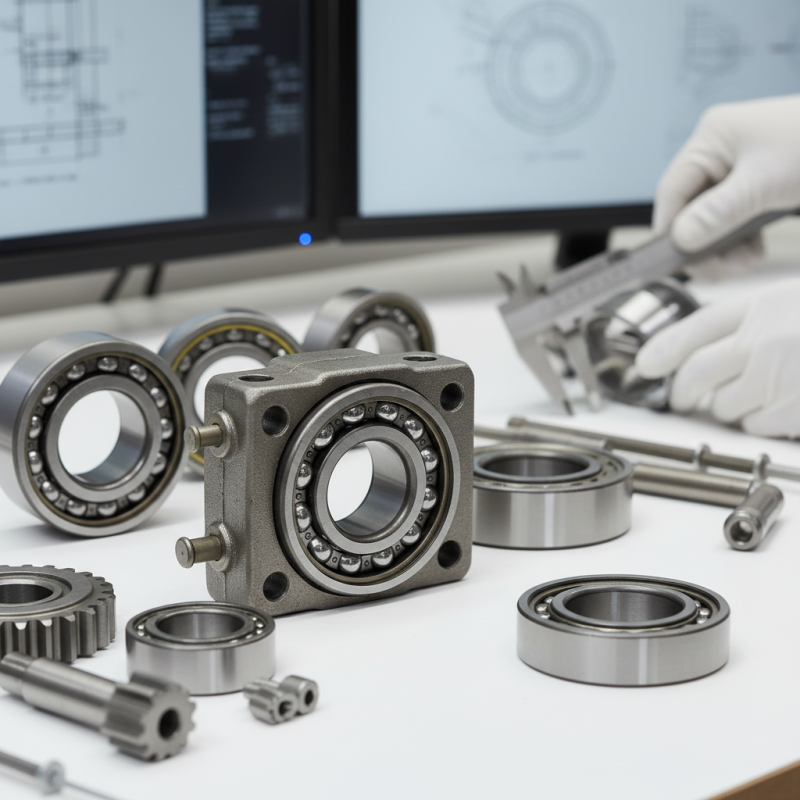
Understanding Fafnir Pillow Block Bearings: Key Features and Benefits
Fafnir pillow block bearings are crucial in various applications. Their design enhances the reliability and longevity of machinery. These bearings often include features like double-sealed housings and robust locking mechanisms. Research shows that these features reduce maintenance downtime by up to 30%. This can lead to significant cost savings over time.
The materials used in their construction greatly affect performance. High-quality steel and polymer composites are standard, providing excellent wear resistance. A data report indicates that properly selected bearings can increase system efficiency by 15% or more. This increase can result in smoother operations and higher productivity levels, demonstrating the importance of choosing the right pillow block bearings.
However, not all applications are the same. Careful assessment is necessary to optimize bearing selection for specific needs. Overlooking critical factors like load capacity and environmental conditions can lead to premature failure. Often, companies report disappointing outcomes when they neglect these aspects. Understanding the specific advantages of Fafnir pillow block bearings can lead to better decision-making in design and maintenance.
Evaluating Application Requirements for Choosing the Right Bearing
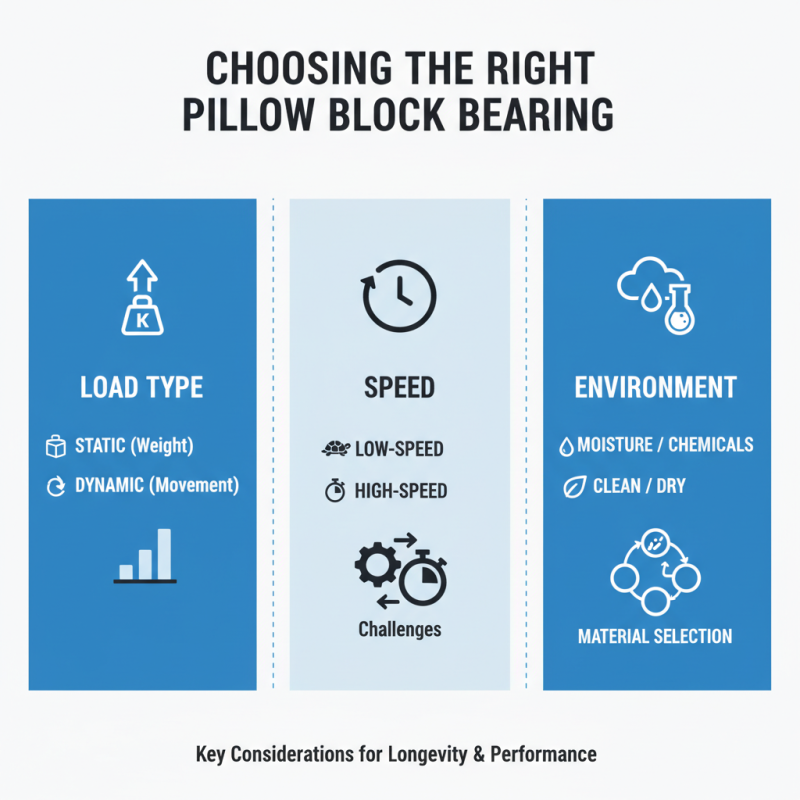
When selecting pillow block bearings, understanding your application’s needs is crucial. Different setups require different specifications. For instance, consider the load type. Will it be static or dynamic? This impacts strength requirements. The intended speed also matters. High-speed applications often face unique challenges. You can’t overlook environmental factors either. Is there exposure to moisture or chemicals? These conditions may necessitate specific materials for longevity.
Vibration and noise levels are key too. Some applications demand quiet operation. In such cases, choose bearings designed for minimal noise. Maintenance frequency is another consideration. Some setups require frequent inspections and replacements. Ensure that the bearings selected facilitate easy access. Design limits should not be ignored. Sometimes, you might find that standard sizes don’t fit. Custom solutions could be necessary, but they may complicate the process.
Assessing your unique situation is essential. Each factor plays into performance and reliability. You may not find a one-size-fits-all answer. Reflecting on these details can help you avoid future headaches. The goal is smooth operation and minimized downtime. Be prepared to ask questions and seek expert guidance, especially if uncertain. This exploration can lead to improved outcomes.
Factors to Consider When Selecting Fafnir Pillow Block Bearings
When selecting pillow block bearings, several factors play a critical role. Load capacity should be prioritized. You must evaluate the maximum load the bearings will encounter. Exceeding this capacity risks failure. Additionally, consider the speed requirements. Higher speeds can lead to overheating if not managed properly.
Material selection is also important. Different applications might need specific materials for durability and resistance. For example, environments with moisture may require corrosion-resistant options. Temperature tolerance should not be overlooked. Bearings may need to withstand extreme conditions, so testing under those circumstances is essential.
It’s worth contemplating the alignment of the bearings. Misalignment could lead to premature wear or even catastrophic failure. Thus, installation should be precisely executed. Lastly, remember to assess the maintenance requirements. Some bearings may be low-maintenance, while others demand regular checks. This could impact overall efficiency and uptime. Each decision made should align with the specific operational needs for the best results.
How to Choose Fafnir Pillow Block Bearings for Optimal Performance?
| Bearing Type |
Load Capacity (lbs) |
Speed Rating (RPM) |
Material |
Temperature Range (°F) |
| Pillow Block Bearing - Standard |
1,500 |
3,000 |
Cast Iron |
-20 to 200 |
| Pillow Block Bearing - Heavy Duty |
2,500 |
2,500 |
Steel |
-20 to 250 |
| Pillow Block Bearing - Stainless Steel |
1,200 |
3,500 |
Stainless Steel |
-20 to 300 |
| Pillow Block Bearing - Polymer |
1,000 |
4,000 |
Plastic |
-20 to 150 |
Maintenance Practices for Enhancing Bearing Performance and Longevity
Maintaining pillow block bearings is crucial for optimal performance and longevity. Regular maintenance reduces downtime and enhances efficiency. Data shows that routine inspections can prevent up to 30% of unplanned failures. Keeping bearings clean and well-lubricated significantly improves their lifespan and functionality.
Tips: Always check for signs of wear. Listen for unusual noises. A sudden change in sound may indicate a problem. Monthly visual inspections help identify issues early. Use appropriate lubricants to avoid contamination. Be mindful of the operating environment; excessive dust and moisture can lead to premature failure.
Bearing performance can falter if not properly cared for. Neglecting maintenance can result in increased friction and heat. This leads to accelerated wear. Industry studies point out that 70% of bearing failures are due to improper lubrication. Assessing the performance regularly can highlight areas needing attention. Keeping a maintenance log is beneficial for tracking changes.
Fafnir Pillow Block Bearings Performance Analysis
Common Misconceptions and Troubleshooting Fafnir Pillow Block Bearings
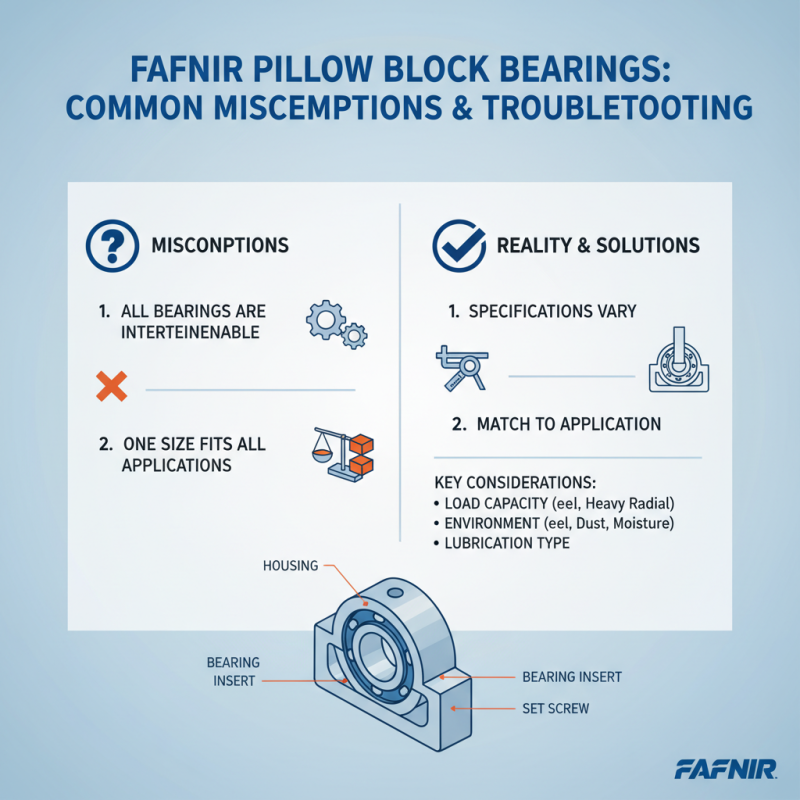
When selecting Fafnir pillow block bearings, several misconceptions can lead to suboptimal performance. One common issue is assuming that all bearings are interchangeable. In reality, bearing specifications vary significantly. Each application demands unique load capacities and environmental considerations. For instance, heavy radial loads require specially designed bearings to ensure longevity.
Proper installation is another area where mistakes occur. Misalignment can lead to premature failures. This can be costly and time-consuming. Bear in mind that the alignment should be within specified tolerances. Regular checks are essential, as slight deviations can escalate into major problems.
**Tip:** Always refer to manufacturer guidelines during installation.
Furthermore, lubrication is often misunderstood. Some users think that more lubricant is always better. In fact, over-lubrication can attract debris, while under-lubrication can cause friction-related wear. Regular maintenance intervals based on operating conditions can greatly enhance bearing life.
**Tip:** Monitor lubrication levels closely.
Understanding these misconceptions can lead to better performance and longevity for bearings. With careful consideration and regular maintenance, potential issues can be minimized.