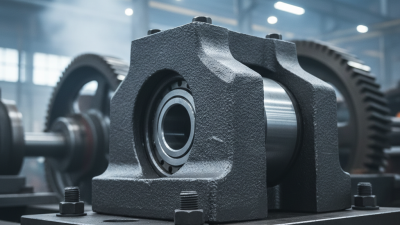
Why Choose Cast Steel Block Bearings for Your Industrial Needs?
In the realm of industrial machinery, the choice of bearings can significantly impact performance. John Anderson, a renowned expert in bearing applications, emphasizes this point: "Choosing the right bearing is crucial for efficiency and longevity." Among various options, Cast Steel Block Bearings stand out. They are known for their durability and strength.
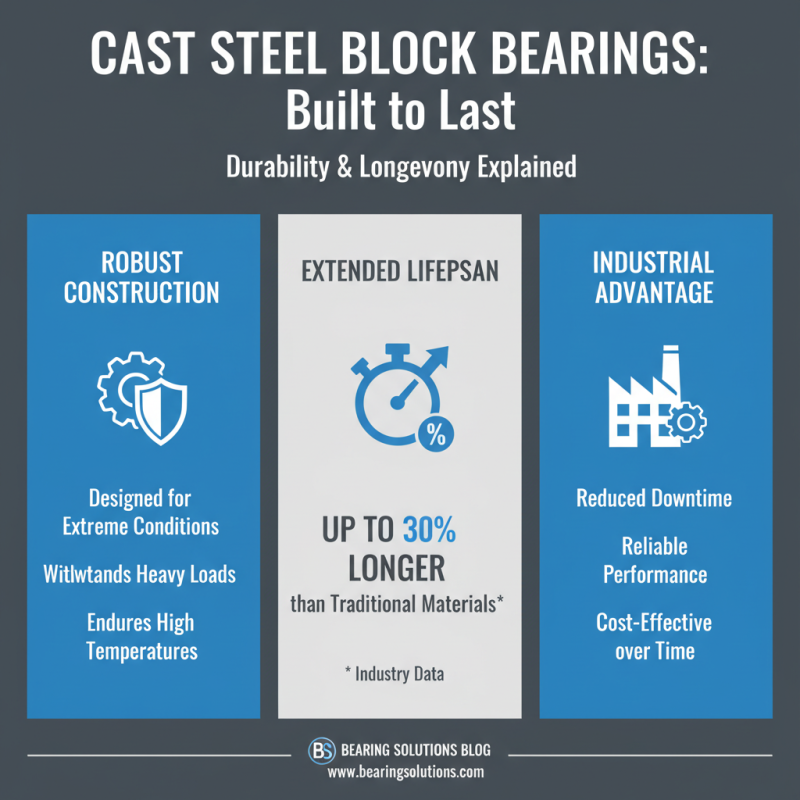
These bearings excel in heavy-duty environments. Their robust design can withstand harsh conditions, making them ideal for industrial settings. Cast Steel Block Bearings resist wear and tear, ensuring a longer lifespan than many alternatives. This durability often translates into lower maintenance costs and fewer replacements.
Yet, the decision can be complex. Not every application demands the strength of a Cast Steel Block Bearing. Selecting the right component requires careful consideration of specific needs. Industries must weigh performance against cost. Understanding these nuances is essential for making informed choices, ultimately leading to better outcomes.
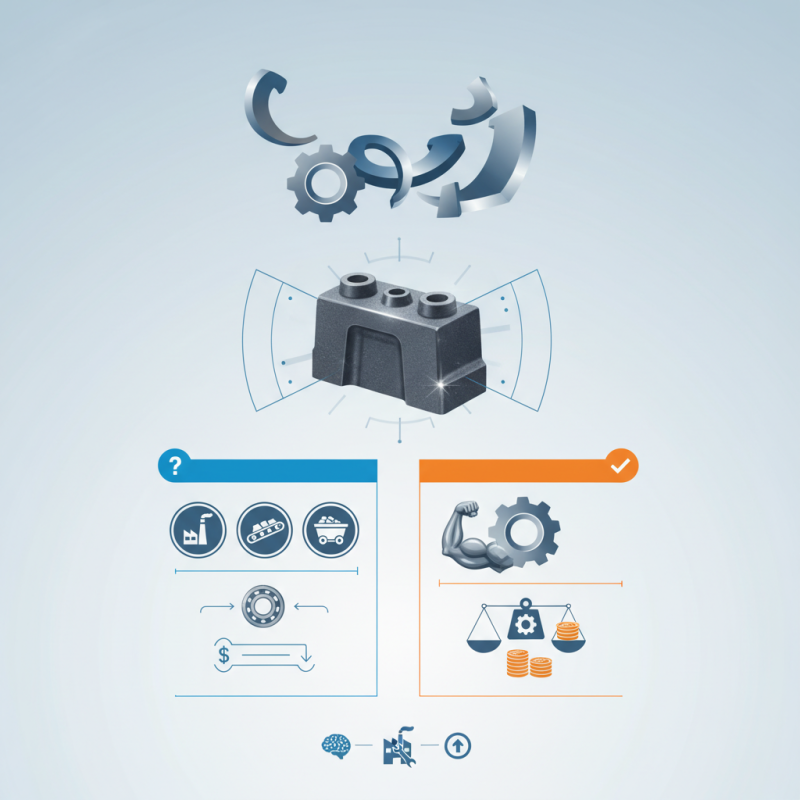
Benefits of Using Cast Steel Block Bearings in Industrial Applications
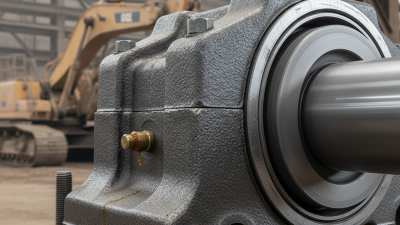
When selecting components for industrial machinery, cast steel block bearings stand out due to their durability and reliability. These bearings excel in heavy-load environments, handling significant weights with ease. Constructed from solid steel, they offer a high level of resistance to wear and tear. This durability translates into fewer replacements and reduced maintenance costs over time.
Another notable benefit is their ability to withstand extreme temperatures. In many industrial settings, machines operate in harsh conditions. Cast steel block bearings maintain performance without losing structural integrity. Their precision engineering aids in smooth operation, reducing friction and energy consumption. However, it's essential to acknowledge that improper installation can lead to premature failure.
Additionally, the weight of cast steel can pose challenges during installation. Workers should have proper training and equipment to handle these components. Despite these drawbacks, the advantages typically outweigh the potential issues. Users can achieve long-lasting performance and efficiency by prioritizing proper handling and installation practices. This balance of caution and advantage reflects the true value of cast steel block bearings in industrial applications.
Benefits of Using Cast Steel Block Bearings in Industrial Applications
Cost-Effectiveness of Cast Steel Block Bearings for Businesses
Cast steel block bearings have gained attention for their cost-effectiveness in various industries. According to a recent industry report, businesses can save up to 30% on maintenance costs when switching to these bearings. They often have a longer lifespan than standard bearings, reducing the frequency of replacements. This feature translates directly into lower operational costs.
A detailed analysis reveals that cast steel block bearings can endure extreme loads, making them suitable for heavy machinery. The durability helps prevent unexpected breakdowns, which can be costly. In fact, maintenance delays can incur costs up to 10% of annual revenues for manufacturers. By using reliable bearings, companies can minimize the risk of work stoppages.
However, the initial investment for these bearings may be higher than alternatives. It’s essential to weigh
long-term benefits against upfront costs. While the return on investment can be significant, companies must carefully assess their
specific operational needs. Selection should involve considering both performance metrics and financial implications to ensure optimal effectiveness.
Versatility of Cast Steel Block Bearings in Various Industries
Cast steel block bearings have gained popularity across various industries due to their impressive versatility. These components are commonly found in construction equipment, automotive applications, and agricultural machinery. Their robustness and resistance to heavy loads make them suitable for demanding environments. Industries relying on heavy machinery benefit immensely from these durable bearings.
In construction, cast steel block bearings support large structures. They withstand extreme conditions, including vibrations and temperature variations. Their ability to handle shock loads is crucial in maintaining operational efficiency. Additionally, these bearings offer easy installation and maintenance, which is vital for minimizing downtime.
In the automotive sector, reliability is paramount. Cast steel block bearings ensure smooth operations in engines and transmissions. They provide strength without compromising performance. However, the adaptability of these bearings can be a double-edged sword. Industries must analyze specific needs to ensure they select the right type. Understanding unique operational requirements will help in making informed decisions on whether cast steel is indeed the best fit.
Comparison of Cast Steel Block Bearings with Other Bearing Types
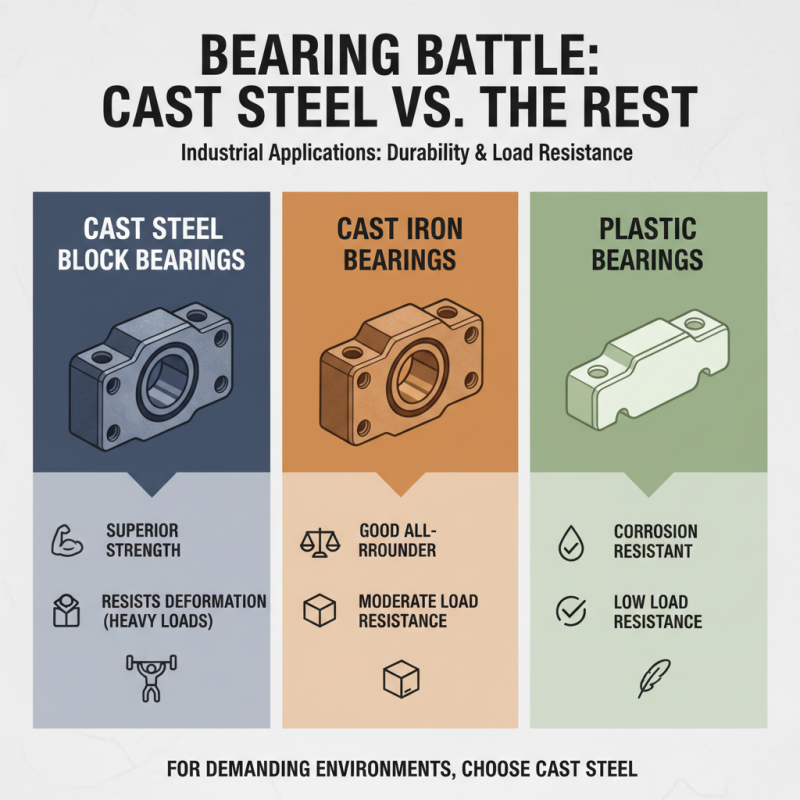
When it comes to industrial applications, selecting the right bearing type is crucial. Cast steel block bearings offer unique advantages over traditional bearing materials like cast iron or plastic. They resist deformation under heavy loads. This durability makes them ideal for demanding environments.
In contrast, cast iron bearings can be brittle. They might crack under stress, leading to costly downtime. Plastic bearings, while lightweight, often cannot handle high temperatures or heavy weights. In contrast, cast steel thrives in harsh conditions, providing reliable performance. This reliability translates to increased efficiency in operations.
However, it’s essential to consider the specific application. Cast steel block bearings may not always be the best fit. Some projects might benefit from lighter or more flexible solutions. Understanding the trade-offs is vital. Each type of bearing has its strengths and weaknesses, and making an informed choice ensures optimal performance and longevity.