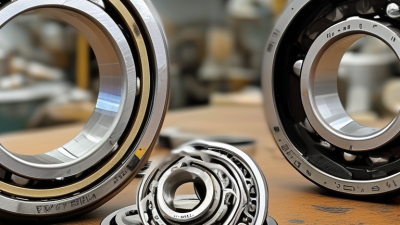
China Top 10 Small Pillow Block Bearings Suppliers?
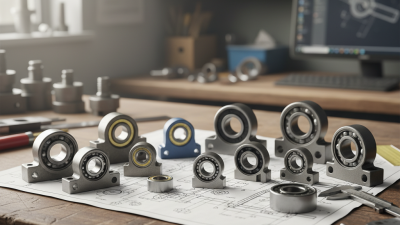
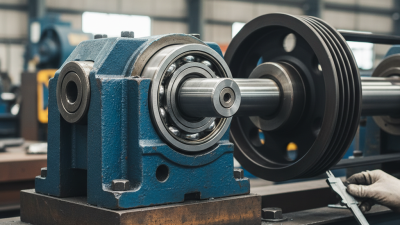
China’s small pillow block bearings market deserves closer inspection. These compact units combine a bearing, housing, and mounting points. They support rotating shafts in conveyors, packaging lines, agricultural equipment, and light industrial machinery.
Industry reports show steady demand across the wider bearing sector. Grand View Research identifies automation, replacement demand, and industrial expansion as major growth drivers. MarketsandMarkets also links bearing consumption with manufacturing investment and machinery maintenance. However, these reports usually group pillow block bearings within broader bearing categories. Direct supplier rankings remain difficult to verify. That limitation matters.
This guide examines ten Chinese suppliers using practical criteria. These include housing accuracy, sealing performance, load ratings, material traceability, delivery capability, and quality documentation. A polished catalog is not enough. Buyers should inspect test records, production experience, and sample performance under real loads.
Rolling-bearing authority Tedric A. Harris offered a useful engineering principle: “Bearing selection begins with load, speed, fit, lubrication, and required life.” The principle remains relevant for Small Pillow Block Bearings. A low price can look attractive beside a factory conveyor. Yet poor alignment may create vibration, heat, and early failure.
Supplier quality is not perfectly uniform. Even experienced manufacturers can show inconsistencies between batches. That is worth admitting. Therefore, this overview is a starting point, not a final purchasing decision. Readers should request current certifications, inspection reports, references, and application-specific recommendations before placing an order.
Sources: Grand View Research, Ball Bearings Market Report; MarketsandMarkets, Bearings Market Report; ISO 281, Rolling Bearings—Dynamic Load Ratings and Rating Life.
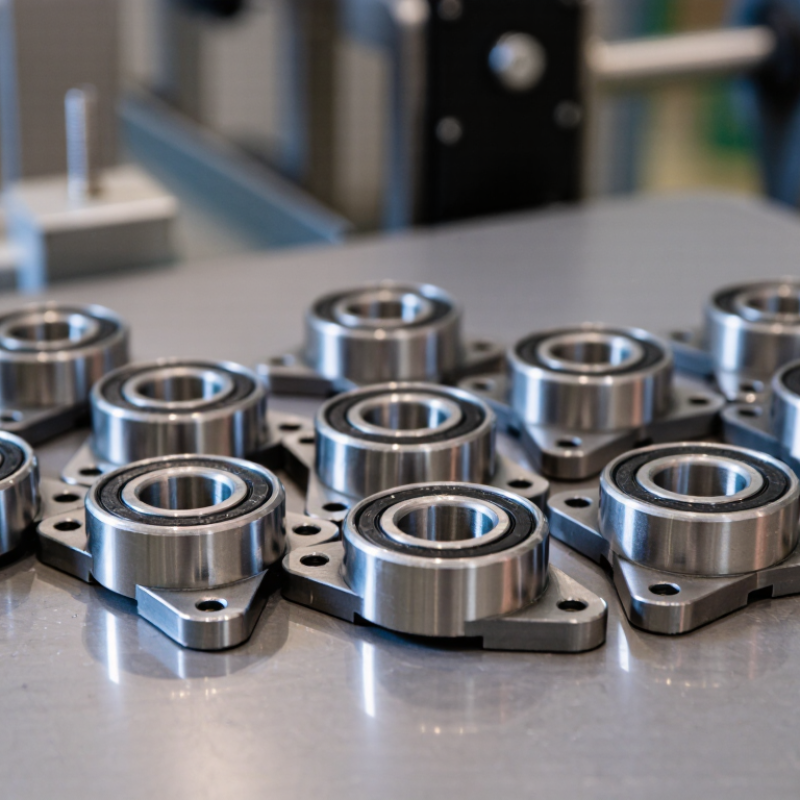
Small Pillow Block Bearings: UC, UCP, UCF, and UCFL Product Families
China’s small pillow block bearing suppliers commonly offer four practical families: UC inserts, UCP pedestal housings, UCF square flanges, and UCFL oval flanges. The UC insert carries the rolling elements and usually uses set screws for shaft locking. UCP suits conveyor frames and simple horizontal supports. UCF fits rigid, four-bolt mounting plates. UCFL helps where space is narrow or hole alignment needs adjustment.
Selection should begin with shaft diameter, radial load, speed, sealing, and housing material. ISO 281 remains the key reference for basic dynamic load ratings and bearing life calculations. The 2024 Mordor Intelligence bearings report estimates steady market growth through 2029, driven partly by automation and material-handling equipment. That trend raises demand for repeatable dimensions, not merely low prices. Check supplier drawings against measured bore tolerance, bolt spacing, insert width, and housing flatness. Request grease details and temperature limits.
Field experience shows that dust often damages small units before calculated fatigue life is reached. Rubber seals, correct relubrication, and shaft cleanliness matter. Very much. The 2023 Grand View Research industrial bearings analysis also identifies manufacturing automation as a major demand area. Still, reports cannot replace a sample test. I would inspect noise, vibration, locking strength, and runout under working speed. A supplier may provide ISO 9001 certification, but traceability and inspection records deserve closer attention. My own screening can miss poor corrosion resistance, especially when samples are tested indoors. Salt-spray checks and a short production trial are sensible.
Ranking Metrics: ISO 281 L10 Life, C/C0 Ratings, and ISO 492 Tolerances
China Top 10 Small Pillow Block Bearings Suppliers
A credible ranking should prioritize measured performance, not catalog size. ISO 281:2007 defines L10 life as the point where 90% of identical bearings are expected to survive under stated conditions. For small pillow block bearings, compare basic dynamic load rating C with actual radial load. A high C value means little without correct lubrication, alignment, and sealing.
The C/C0 ratio also deserves attention. C represents dynamic capacity, while C0 represents static capacity. A weak ratio may indicate limited resistance to shock or mounting errors. However, a larger ratio is not automatically better.
ISO 492 tolerance classes help verify bore, outside diameter, width, and runout accuracy. These dimensions affect shaft fit and vibration. The U.S. Department of Energy’s 2022 Motor Systems Market Assessment reports that motor-driven systems consume about 69% of industrial electricity in the United States. Bearing efficiency and service life therefore influence wider energy costs, not only maintenance budgets. Supplier claims can still be optimistic.
Tips:
Request ISO 281 calculation sheets, ISO 492 inspection records, C and C0 values, grease specifications, and batch traceability. Check sample bearings with a micrometer and dial indicator. Test under dust, misalignment, and start-stop loads. Laboratory results may not predict every factory floor. Experience matters here.
China’s Top 10 Suppliers: Capacity, Certifications, Export Share, and Lead Time
China Top 10 Small Pillow Block Bearings Suppliers?
China’s top ten small pillow block bearing suppliers should be compared through measurable operating data, not online visibility alone. Production capacity often ranges from several hundred thousand to millions of units monthly, depending on bearing size, housing material, and automation level. Buyers should request recent output records and inspect machining, heat treatment, and assembly lines where possible.
Certifications provide another useful filter. ISO 9001 supports process control, while IATF 16949 may indicate stronger automotive quality systems. However, certificates do not replace bearing tests. Check hardness reports, clearance records, grease specifications, and life-test results. Export share also matters. A supplier shipping 40% to overseas markets may understand documentation, packaging, and regional compliance better than a factory serving only domestic customers. Export figures should still be verified through shipping records or audited statements.
Lead time is often the practical difference.
Standard small units may leave the factory within 7 to 15 days, while customized housings or large orders can require 25 to 45 days. Ask about monthly capacity, safety stock, inspection time, and port schedules. A written production plan is more reliable than a quick sales promise. Rankings remain imperfect. Exchange-rate changes, seasonal demand, and material shortages can quickly alter supplier performance. Regular reassessment is necessary.
Technical Comparison: Bore Sizes, RPM Limits, Seals, and Temperature Ratings
When comparing the top 10 small pillow block bearing suppliers, start with bore size. Common metric bores range from 12 to 50 mm, while compact inch designs often begin near 1/2 inch. Confirm shaft tolerance before ordering. ISO 492 tolerance guidance helps prevent loose fits and early vibration. A bearing that fits poorly can sound rough within weeks.
RPM limits require more caution. Published limits often range from 2,000 to 8,000 rpm for small sealed units. The exact figure depends on grease, clearance, load, and housing alignment. ISO 281 calculates fatigue life through load rating and operating conditions, not speed alone. The U.S. Department of Energy reports that correctly aligned motor-driven systems can reduce avoidable energy losses, yet alignment is often underestimated during installation. That matters here. A supplier’s catalog number is not enough.
Seal and temperature choices separate reliable products from merely cheap ones. Contact seals offer stronger dust protection, but they can increase drag and heat. Non-contact shields usually support higher speed, with weaker contamination resistance. Standard nitrile seals commonly suit about -20°C to 100°C. Fluoroelastomer options may reach roughly 200°C, depending on grease and clearance. These figures require datasheet confirmation. Research and Markets’ 2024 bearing industry outlook also identifies industrial automation and maintenance demand as major growth drivers, increasing the need for compact, serviceable units.
Tips: Request test data at your actual rpm, load, and temperature. Check relubrication access. Do not assume a higher temperature rating means longer life. Supplier comparisons should include noise, sealing torque, and replacement availability. Some catalogs remain frustratingly vague. That deserves scrutiny.
China Top 10 Small Pillow Block Bearings Suppliers? - Technical Comparison: Bore Sizes, RPM Limits, Seals, and Temperature Ratings
*RPM limits are typical reference values for grease-lubricated pillow block units under normal load, alignment, and ambient conditions. Actual permissible speed depends on bore size, load, shaft fit, lubrication, sealing arrangement, housing material, and operating environment. Confirm the final rating with the selected supplier’s technical drawing and catalog.
Buyer Checklist: GB/T 307.1 Compliance, Traceability, Testing, and Warranty
When comparing China’s top small pillow block bearing suppliers, start with GB/T 307.1 documentation. This standard addresses dimensional and running accuracy tolerances for radial bearings. Request the exact edition, conformity statement, and inspection record for each batch. Do not accept a generic certificate. Ask for evidence.
A practical audit should connect the bearing to its steel heat number, production date, operator, and final inspector. Traceability must continue through seals, lubricant, housing material, and packaging. Independent testing should verify radial clearance, rotational torque, vibration, noise, hardness, and load performance. Require calibrated equipment records and sample reports, not only laboratory photographs. Grand View Research valued the global bearings market at approximately USD 128.3 billion in 2023, with strong growth projected through 2030. That scale increases supplier choice, but it can also hide inconsistent quality. Small details matter.
Warranty terms deserve equal attention. Confirm the coverage period, installation limits, storage conditions, replacement process, and evidence required for a claim. A serious supplier should state whether failures are judged by its own engineers or an independent laboratory. I would also request a pilot order before approving long-term supply. My checklist is not perfect; field contamination and misalignment can still defeat a compliant bearing. However, clear records make responsibility easier to establish. Supplier scores should combine test results, audit findings, delivery history, and corrective-action speed. A low price cannot compensate for missing traceability.