Best Cast Steel Block Bearings for Optimal Performance?
In the world of industrial machinery, the importance of choosing the right components cannot be overstated. Cast Steel Block Bearings are crucial for ensuring optimal performance and longevity of equipment. Expert James Turner, a leading engineer in the bearing industry, emphasizes, "Quality cast steel block bearings can significantly reduce downtime." This highlights the essential role these bearings play in machinery efficiency.
When selecting Cast Steel Block Bearings, many factors must be considered. The material, design, and load capacity influence their performance. Industrial plants often overlook these details, leading to costly mistakes. A proper understanding of these bearings can prevent potential failures.
However, not all cast steel block bearings are created equal. Some may claim high performance but fail in rigorous conditions. Maintenance and regular inspections are equally important. We need to reflect on our choices and prioritize quality over cost. Performance can only be assured with the right bearings.
Understanding Cast Steel Block Bearings: Types and Materials
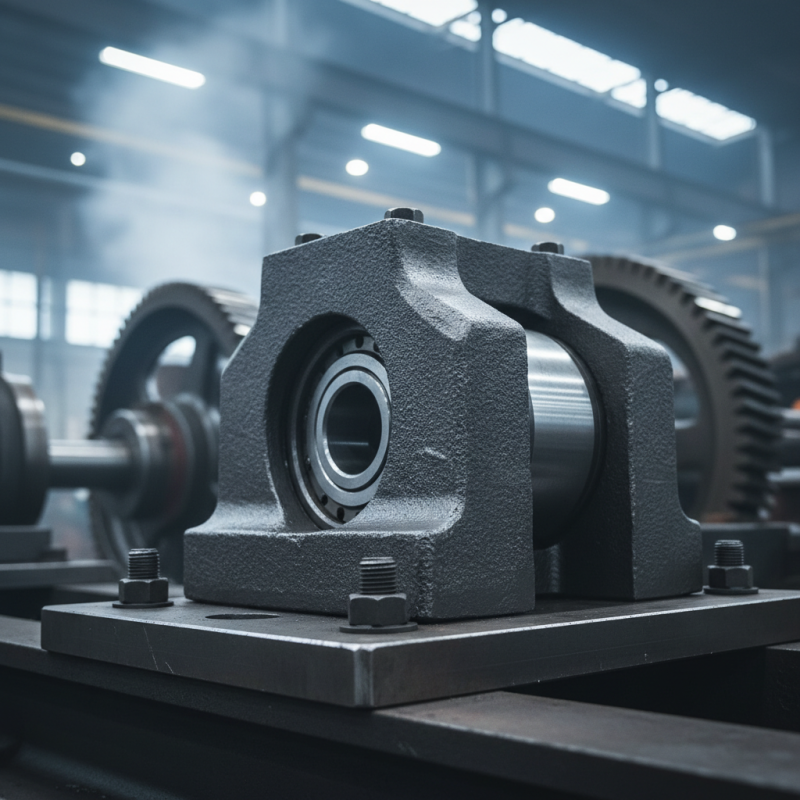
Cast steel block bearings play a crucial role in heavy machinery and industrial applications. Their design combines durability and strength, making them suitable for various operational conditions. Understanding the types available can help in selecting the right bearing for specific tasks. For instance, there are solid cast steel bearings, which offer resilience and stability. These are ideal for high-load environments where performance cannot be compromised.
Materials used in manufacturing these bearings also significantly influence their function. Steel is favored for its excellent load-bearing capacity. However, using steel also requires careful maintenance. Corrosion can become an issue, especially in humid environments. Some may overlook this aspect, thinking it won't affect performance. However, regular checks can prevent costly downtime.
Different types of cast steel bearings may be better suited for distinct applications. The choice often hinges on load requirements and environmental factors. Some users might dismiss the importance of this selection process. Yet, the impact on machinery performance is profound. A well-chosen bearing enhances efficiency, reducing friction and wear. Ignoring these details might lead to suboptimal outcomes.
Key Features of High-Performance Cast Steel Block Bearings
High-performance cast steel block bearings are essential for various industrial applications. They provide durability and resilience under heavy loads. According to a recent industry report, these bearings can withstand temperatures up to 120 degrees Celsius. This capability is crucial for operations in extreme environments.
Key features include precision engineering and robust construction. High-performance bearings often use advanced materials that enhance their life span. For example, some models offer a surface hardness of around 60 HRC, improving wear resistance. Reports indicate that using such bearings can lead to a 30% reduction in maintenance costs over time.
However, not every cast steel block bearing lives up to expectations. Some may suffer from premature wear, especially in harsh conditions. It is essential to consider lubrication methods and environmental factors. Users must regularly check for signs of wear and tear. Inadequate maintenance can lead to unexpected downtime. Assessing these factors is vital before making a choice.
Best Cast Steel Block Bearings Performance Comparison
Applications of Cast Steel Block Bearings in Various Industries
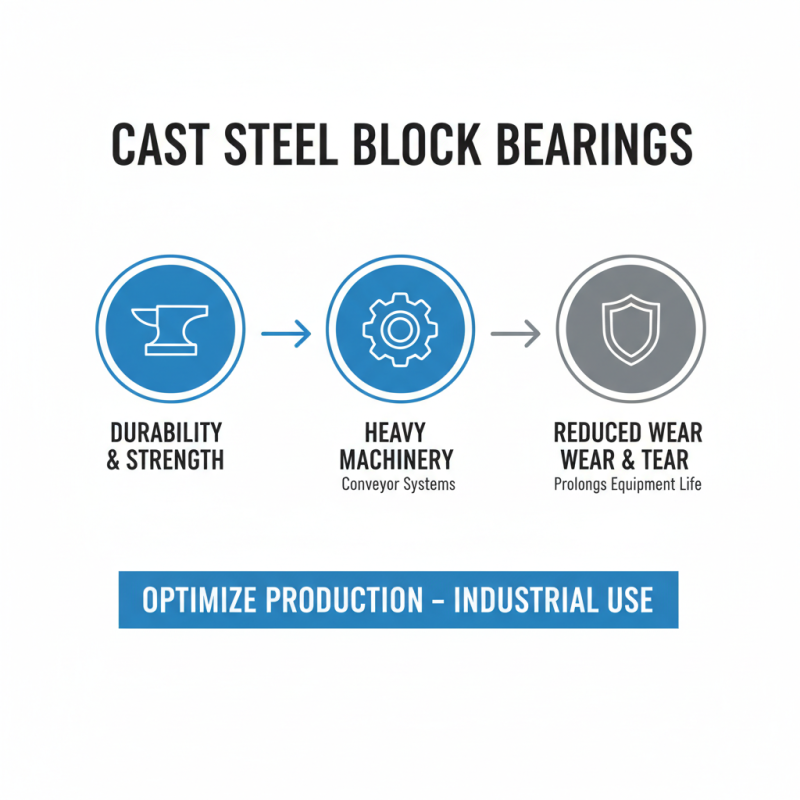
Cast steel block bearings are widely used in many industries. They offer durability and strength, making them ideal for heavy machinery. In manufacturing, these bearings support conveyor systems and help streamline production processes. Their robust design reduces wear and tear, which can be a common issue in high-load environments.
In the agricultural sector, cast steel block bearings are essential for equipment like tractors and harvesters. They can withstand harsh weather and heavy loads. Yet, their application is not without challenges. Proper maintenance is crucial, as neglect can lead to decreased performance. Operators must regularly check for signs of wear to avoid unexpected breakdowns.
In the mining industry, these bearings face extreme conditions. High dust and moisture levels can affect their integrity. Users often report that despite their strength, they can become brittle over time. This calls for ongoing monitoring and timely replacement to maintain efficiency. Implementing a routine check can lead to better performance and minimize operational disruptions.
Factors Influencing the Performance of Cast Steel Block Bearings
When discussing the performance of cast steel block bearings, several factors play pivotal roles. One significant aspect is the material quality. Research indicates that the microstructure of the steel affects load-bearing capabilities. For instance, steel with a finer grain structure can enhance durability and reduce wear. This is crucial in heavy-duty applications where stress can lead to premature failure.
Another key factor is lubrication. Proper lubrication minimizes friction, preventing overheating and extending service life. According to industry reports, optimal lubrication can increase bearing lifespan by up to 50%. However, choosing the right lubricant can be complex, as it varies based on load conditions and operating temperatures. The inconsistency in lubricant application often leads to performance issues, making periodic maintenance essential.
Alignment also influences performance outcomes. Misalignment can cause excessive wear and operational failures. Studies show that misaligned bearings can reduce efficiency by up to 30%. This highlights the need for precise installation practices. Many operators overlook the importance of alignment checks, which can lead to unexpected downtimes. Regular audits could help in identifying realignment needs before they escalate into significant issues.
Maintenance Tips for Longevity of Cast Steel Block Bearings
When using cast steel block bearings, maintenance is key. Regular lubrication is essential for optimal performance. Check the lubrication intervals based on usage. Use appropriate lubricants to avoid damage. Contaminated grease can lead to failure. Make sure to clean the bearings before applying new grease.
Inspect the bearings frequently. Look for signs of wear or deformation. If you see rust or corrosion, take action. Sometimes, a simple cleaning is not enough. Replacing worn bearings early can prevent larger issues down the line. A proactive approach saves time and money.
Don’t forget about environmental factors. Dust and moisture can harm the bearings. Store equipment in dry areas. Cover machinery when not in use to protect against contaminants. Take note: overlooking small details can result in bigger headaches. Always strive for consistency in your maintenance routine.
Best Cast Steel Block Bearings for Optimal Performance
| Dimension |
Material |
Load Capacity (kg) |
Speed Rating (rpm) |
Temperature Range (°C) |
Maintenance Tips |
| 30 x 50 mm |
Cast Steel |
1200 |
3000 |
-20 to 100 |
Regular lubrication, avoid overloading |
| 40 x 60 mm |
Cast Steel |
1500 |
2500 |
-20 to 80 |
Check for corrosion, maintain alignment |
| 50 x 80 mm |
Cast Steel |
2000 |
2000 |
-20 to 90 |
Maintain cleanliness, ensure proper fitting |
| 60 x 100 mm |
Cast Steel |
2500 |
1800 |
-20 to 70 |
Avoid moisture exposure, regular inspections |
| 80 x 120 mm |
Cast Steel |
3000 |
1500 |
-20 to 60 |
Proper storage, regular greasing |