2026 Best Ball Bearing Types for Optimal Performance?
In the modern machinery landscape, the choice of ball bearing types plays a crucial role in performance. A 2021 industry report highlighted that nearly 75% of machine failures are linked to inadequate bearing selection. This statistic underscores the necessity for optimal ball bearing solutions in diverse applications. Different types of ball bearings offer distinct advantages, affecting speed, load capacity, and durability.
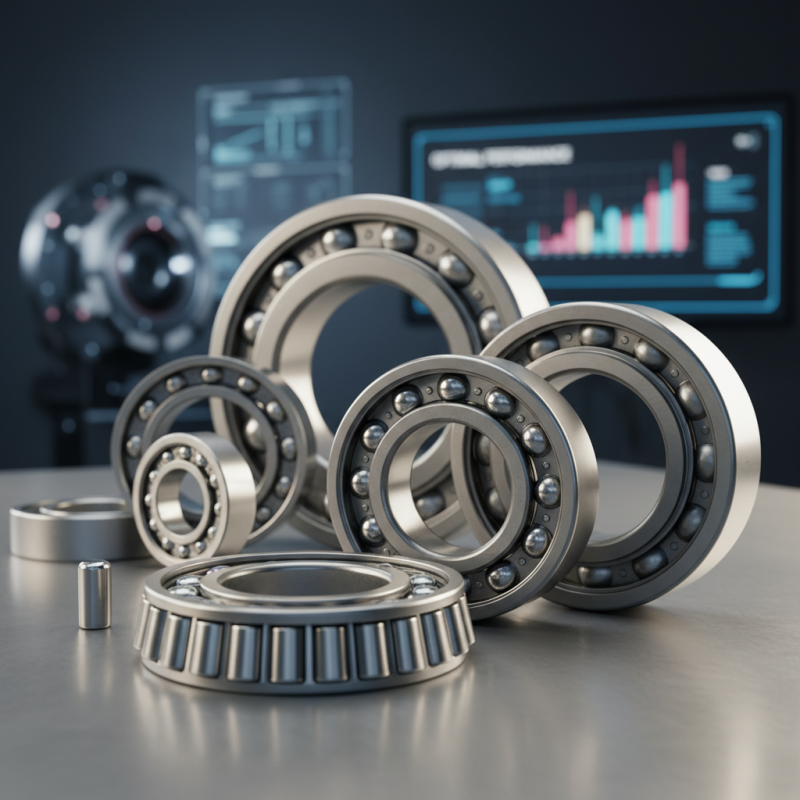
Among the preferred types, deep groove ball bearings and angular contact ball bearings are often highlighted for their enhanced performance. Deep groove bearings excel in handling radial and axial loads, while angular contact types are ideal for high-speed operations. However, not all bearings perform well under every condition. Environmental factors, such as temperature and humidity, can significantly impact their efficiency.
Selecting the right ball bearing is not a straightforward task. Factors like application requirements and lubrication methods must be considered. While manufacturers strive for innovation, common oversights still exist, such as underestimating load demands or neglecting proper maintenance schedules. The importance of informed decision-making in ball bearing selection cannot be overstated for achieving optimal machine performance.
Overview of Ball Bearings and Their Importance in Mechanical Systems
Ball bearings play a crucial role in the functionality of mechanical systems. They reduce friction between moving parts, ensuring smooth operation and longevity. According to industry reports, effective bearing use can enhance efficiency by up to 20%. This can lead to significant cost savings over time.
Beyond efficiency, ball bearings are vital for safety. They provide stability, which is essential in various applications, from automobiles to aerospace. A failure in a bearing can lead to catastrophic outcomes. The statistics reveal that over 40% of machinery failures are linked to bearing issues. Regular maintenance is a necessity but often overlooked.
Choosing the right type of ball bearing is imperative. There are various types, each suited for different uses. For example, deep groove ball bearings are commonly used. Their versatility and affordability make them popular. However, specific applications require specialized bearings. Understanding these needs is often challenging for engineers. Overlooking small details can lead to performance issues.
2026 Best Ball Bearing Types for Optimal Performance
| Bearing Type |
Material |
Load Capacity (kg) |
Max RPM |
Operating Temperature (°C) |
| Deep Groove Ball Bearing |
Steel |
500 |
10,000 |
-20 to 120 |
| Angular Contact Ball Bearing |
Ceramics |
400 |
15,000 |
-40 to 150 |
| Self-Aligning Ball Bearing |
Stainless Steel |
550 |
8,000 |
-30 to 100 |
| Thrust Ball Bearing |
Brass |
300 |
5,000 |
-10 to 80 |
| Spherical Plain Bearing |
Plastic |
250 |
4,000 |
-20 to 90 |
Types of Ball Bearings: An In-Depth Look at Each Category
Ball bearings are crucial components in many applications. They reduce friction and support loads effectively. Understanding their types can improve performance significantly. The main categories include deep groove, angular contact, and self-aligning bearings. Each serves a specific function, catering to various industries.
Deep groove ball bearings are versatile and widely used. In fact, they account for about 80% of the ball bearings produced globally. Their design allows for high-speed applications while supporting radial and axial loads. Angular contact bearings, on the other hand, provide better load distribution at high speeds. They handle axial loads in one direction, making them ideal for machine tool spindles.
Yet, selecting the right type is not straightforward. Factors such as operating environment and load specifications must be considered. Many engineers overlook these aspects, leading to performance issues. Self-aligning bearings help resolve misalignment but may not always be the best choice in dynamic environments. Each type has its strengths and weaknesses, and understanding these can be a game-changer in applications.
2026 Best Ball Bearing Types for Optimal Performance
Key Performance Factors: Load Capacity, Speed, and Friction
Choosing the right ball bearing type can greatly influence performance.
Load capacity is essential.
Bearings must support the weight and force without failing. High-load bearings can be thicker and sturdier.
They might handle more weight but may also generate more friction. Striking a balance is key.
Speed is another critical factor. Bearings must spin smoothly and quickly.
Some types excel in high-speed applications. Yet, they may not perform well under heavy loads.
It's a conundrum. Friction is the enemy of efficiency.
Lower friction means better performance and longer lifespan.
However, reducing friction too much can lead to stability issues.
Consider the working environment too.
Temperature and contamination can affect performance.
A bearing that works well in one setting might struggle in another.
Don’t overlook this discovery phase. Testing in real-world conditions is crucial.
Performance can vary widely based on these factors. Each application requires careful thought.
Material Selection for Ball Bearings: Choosing the Right Composition
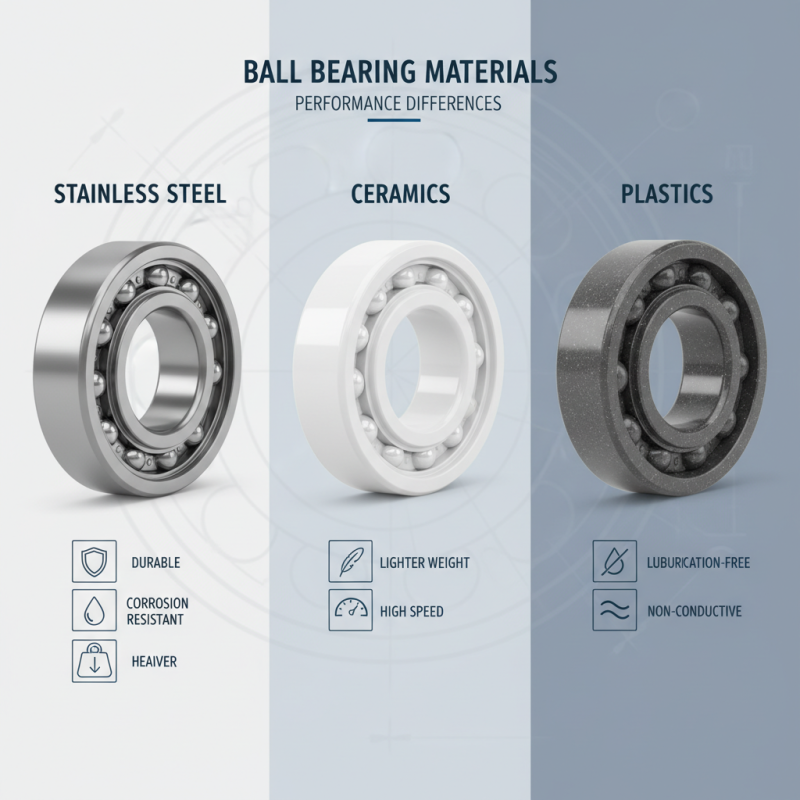
When selecting materials for ball bearings, the right composition can make a significant difference in performance. Common choices include stainless steel, ceramics, and plastics. Each material offers unique benefits. Stainless steel, for example, is durable and resistant to corrosion. However, it can be heavier compared to ceramic alternatives.
Ceramics are known for their low friction and high hardness. They perform well in extreme conditions. But, they are more brittle, which could lead to unexpected failures. Plastics provide lightweight options and can resist chemicals. However, their lifespan may be shorter under heavy loads. Balancing these factors is crucial in material selection.
It’s essential to consider the application. What environment will the bearing operate in? Are there extreme temperatures or corrosive substances? Understanding these aspects can help make an informed choice. Sometimes, the ideal solution remains elusive. Ongoing testing and data analysis can lead to better decisions in the future. Perfect material selection requires constant learning and adjustments.
Applications of Ball Bearings in Various Industries and Technologies
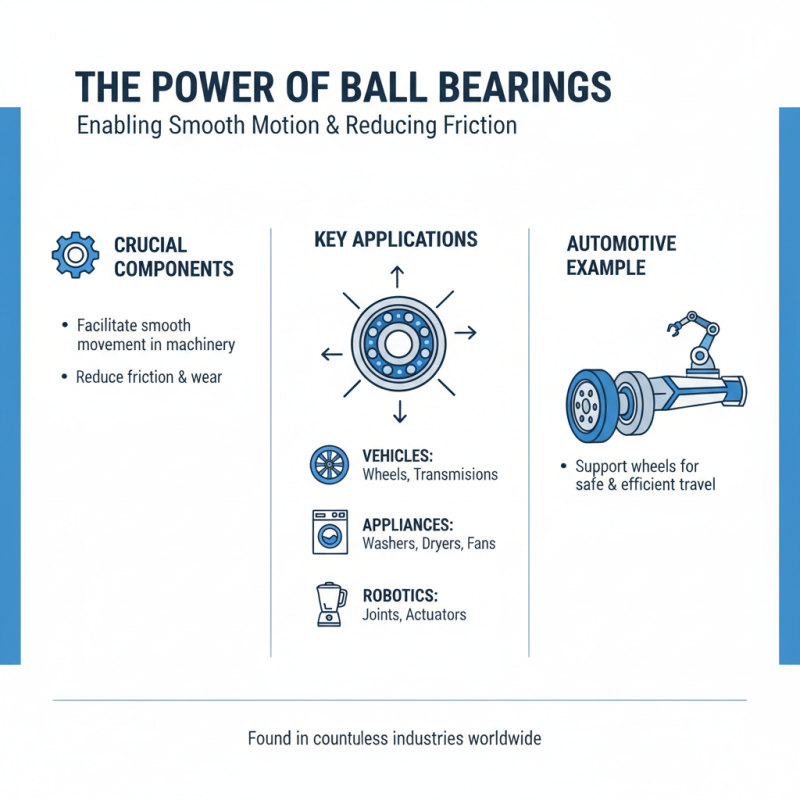
Ball bearings are crucial components in many industries. They facilitate smooth movement in machinery and reduce friction. You can find them in vehicles, appliances, and robotics. For example, in automotive applications, ball bearings support the wheels, ensuring safe and efficient travel.
In manufacturing, ball bearings improve the reliability of machines. They enhance the performance of conveyor systems and assembly lines. However, one issue often overlooked is proper maintenance. Without routine checks, bearings can wear down, leading to costly breakdowns.
Ball bearings are also pivotal in the technology sector. They are found in electronic devices like drones and hard drives. Their ability to operate under varying conditions is essential. Yet, selecting the right type of bearing requires careful consideration. Misjudging the specifications can lead to inefficiencies. Each application poses unique challenges that need addressing.