2026 Top 25mm Pillow Block Bearing Buying Guide and Tips?
In recent years, the demand for 25mm Pillow Block Bearings has surged. According to a report by the Global Market Insights Group, the bearing market is expected to reach $100 billion by 2026, driven by industrial automation. This growth highlights the importance of selecting the right bearings for optimal machine performance.
Dr. John F. Reynolds, an expert in mechanical engineering, emphasizes, “The choice of the right bearing can significantly affect the efficiency of machinery.” Choosing a suitable 25mm Pillow Block Bearing can impact durability and operational reliability. Poor selection often leads to premature failures and costly downtime, proving the need for careful evaluation.
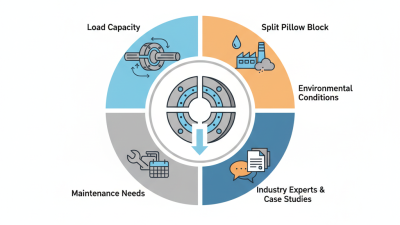
As we explore the buying guide and tips, it’s essential to reflect on these elements. Many buyers overlook load ratings and material compatibility, leading to performance issues. Understanding these factors is crucial in making informed decisions. The intricate details surrounding 25mm Pillow Block Bearings can make a significant difference in your machinery's success.
Understanding Pillow Block Bearings: Definition and Types
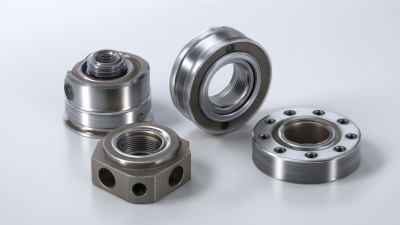
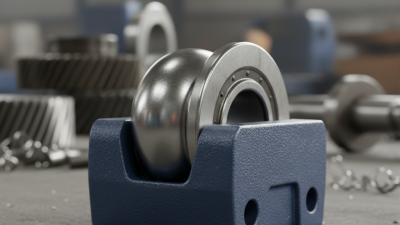
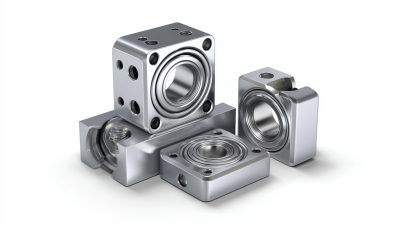
Pillow block bearings are essential components in various machinery. They provide support for rotating shafts while accommodating misalignment and vibration. Understanding the types and definitions of pillow block bearings is crucial for making informed purchasing decisions. Typically, you will find mounted bearings, flanged bearings, and those with specific housing designs.
In choosing the right pillow block bearing, consider factors like load capacity, operating temperature, and material. Each type serves distinct applications. For instance, flanged bearings are suitable for confined spaces, while mounted bearings excel in heavy-load situations.
Here are some tips for a successful purchase:
- Always assess the load conditions your machinery will face.
- Be mindful of the environment—humidity and dust can affect performance.
- Additionally, consult with experts when in doubt. It’s beneficial to get insights from experienced users or industry professionals.
Remember, a minor miscalculation can lead to premature failure and costly repairs. Investing the time to choose wisely pays off long-term.
Key Factors to Consider When Buying 25mm Pillow Block Bearings
When purchasing 25mm pillow block bearings, some key factors are crucial. Material quality is essential for durability and performance. Choosing bearings made from high-quality steel or specialized composites can help ensure longevity. Also, consider the load capacity. Different applications will demand different levels of support. A well-rated bearing can mitigate failures during operation.
Installation and maintenance are often overlooked. A proper fit is imperative to reduce wear and tear. Additionally, an easy-to-maintain design can save time and costs over the long run. Always evaluate the lubrication options as this impacts performance directly. Regular checks and upkeep will extend the life of the bearings.
One must also reflect on supplier reliability. An experienced supplier can provide guidance on selecting the right bearing for the specific application. However, a common oversight is neglecting warranty and support options. Don't rush through the buying process; take the time to research and choose wisely. Small details can make a big difference in performance and operational efficiency.
2026 Top 25mm Pillow Block Bearing Market Analysis
This chart illustrates the key factors to consider when buying 25mm pillow block bearings in 2026. Each factor is rated on a scale from 1 to 10 based on its importance for consumers. Material quality and load capacity are the top priorities, while cost is considered less critical but still important.
Essential Specifications and Features of Pillow Block Bearings
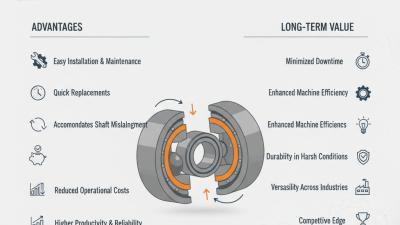
When selecting pillow block bearings, understanding their specifications is crucial. These bearings feature a housing that supports a rotating shaft. The design allows for easy installation and adjustment. Material selection is vital. High-quality steel offers durability and resistance to wear. Consider different load capacities based on your application. Not all pillow block bearings are equal, so choose wisely.
Pay attention to key features like the mounting options. Some bearings are designed for vertical, horizontal, or angled applications. Lubrication methods impact the lifespan. Frequent maintenance or sealed bearings determine the choice. Look for designs that cater to your environment, especially if dust or moisture is a concern.
Tips for purchasing include verifying dimensions. Accurate measurements prevent operational issues. Check for compatibility with your equipment. Researching vendor reliability is equally important. Seek expert advice if you’re uncertain about specifications. Remember, even small mistakes can lead to larger operational challenges down the line. Always question your selections and consider potential limitations before finalizing a purchase.
Top Brands and Manufacturers of 25mm Pillow Block Bearings
When considering 25mm pillow block bearings, it's crucial to recognize the significance of choosing reputable brands. Quality directly affects performance and durability. Look for manufacturers known for their strict quality control measures. Established brands often invest in advanced technologies and materials. This results in better resistance to wear and corrosion.
It’s essential to examine customer reviews and ratings. Feedback from other users often reveals performance insights. Some brands may promise high reliability but might fall short in real-world applications. Trust is built through consistent product excellence. Therefore, scrutinizing warranty policies can provide additional assurance regarding their commitment to quality.
Don’t overlook after-sales support. A strong customer service team can make a significant difference. Some manufacturers may provide technical assistance or replacement parts. This level of support enhances the overall user experience. Balancing brand reputation with personal needs can lead to a more informed decision. Finding the right pillow block bearing is about understanding both the technical data and user experiences.
Maintenance Tips for Longevity of Pillow Block Bearings
Pillow block bearings are essential components in many industrial applications. Proper maintenance is crucial for their longevity. Regular inspections can identify potential issues. Look for signs of wear, discoloration, or unusual noise. Industry data shows that approximately 42% of bearing failures occur due to inadequate lubrication.
Lubrication is vital. Using the right type and amount of lubricant greatly influences bearing life. Experts recommend replacing lubricant every 500 hours under moderate loads. In heavy-duty applications, this might need to occur every 250 hours. Over-lubrication can be just as harmful as under-lubrication. It might lead to overheating and damage.
Temperature control also plays a role. High temperatures can accelerate wear. Bearings should operate within the manufacturer's recommended temperature range. Regular monitoring can prevent severe issues. It's worth noting that about 30% of bearing failures result from operating at excessive temperatures, as per data from industry studies. Balancing these factors can lead to better performance and longer service life of pillow block bearings.